

OEM
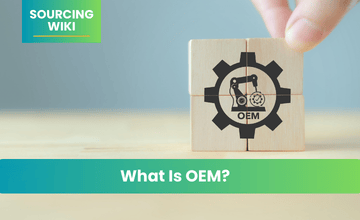
OEM, or Original Equipment Manufacturer, refers to a production model where a factory manufactures products based on the buyer's unique designs, specifications, and branding. In an OEM relationship, the buyer owns the intellectual property (IP), including blueprints, molds, and logos, while the factory provides the labor, machinery, and raw materials to bring that design to life.
Executing an OEM project in China requires precise communication and technical oversight. NewBuyingAgent fully supports OEM projects to help you bring your unique product ideas to market. You just need to tell NewBuyingAgent your purchasing needs, and we can supply products from China across all categories to you at better price, quality, and service. We manage the complexities of the manufacturing process to ensure your custom requirements are met with efficiency and reliability.
How the OEM Process Works
Developing a custom product via an OEM model typically follows these stages:
- Product Specification: The buyer provides detailed 2D/3D drawings, material requirements, and functionality specs.
- Molding & Tooling: If the product is unique, the factory creates custom molds (tooling) specifically for the buyer.
- Prototyping: A sample is produced to verify that the design is functional and meets quality standards.
- Mass Production: Once the "Golden Sample" is approved, the factory begins large-scale manufacturing.
- Branding: The products are finished with the buyer’s logos, custom packaging, and labels.
OEM vs. ODM: What Is the Difference?
It is vital to choose the right model based on your R&D capabilities:
| Feature | OEM (Original Equipment Manufacturer) | ODM (Original Design Manufacturer) |
|---|---|---|
| Design Ownership | Buyer provides the design. | Factory provides the design. |
| Customization | High (Total control over every detail). | Low to Medium (Minor tweaks to existing products). |
| Tooling Cost | Higher (Buyer usually pays for molds). | Lower (Factory uses existing molds). |
| Time to Market | Longer (Includes R&D and tooling phases). | Shorter (Product is already developed). |
Key Advantages of the OEM Model
- Brand Differentiation: You create a unique product that cannot be found elsewhere, giving you a competitive edge.
- Intellectual Property: You retain ownership of your designs, making it harder for competitors to copy your exact specifications.
- Quality Control: Since you define the materials and tolerances, you have a higher level of control over the final output.
Related Knowledge Base
Sourcing Practices & Insights: OEM
Latest Sourcing Guides

Get Started Today
Let's Turn Your Sourcing Goals into RealityWeChat:+86 15157124615
WhatsApp:+86 15157124615
Address:Building 10 #39 Xiangyuan Road, Hangzhou, China
