

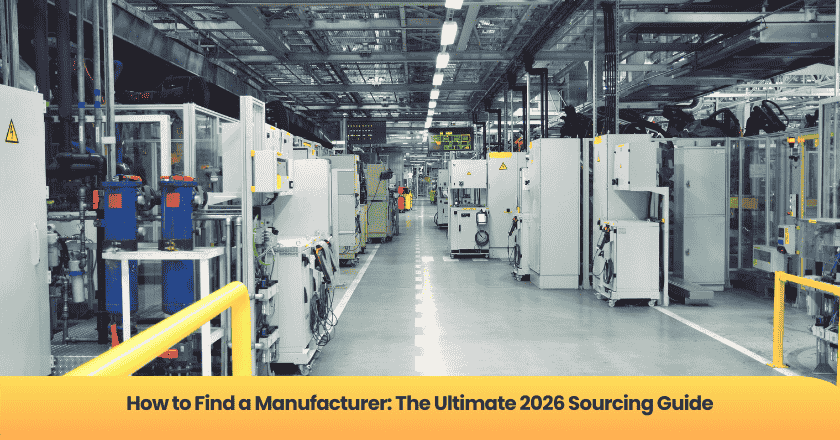
When determining how to find a manufacturer for your product, the process begins with clearly defining your requirements and technical specifications. By researching various production partners, you can effectively evaluate their unique capabilities and industry experience. Reaching out to each potential manufacturer with detailed communication ensures your needs are fully understood. To guarantee quality, always request physical samples and verify their official certifications. After reviewing these critical factors, you can negotiate professional terms and place your initial order. Understanding the nuances of finding a manufacturer and the differences between various sourcing methods is essential for making an informed, strategic decision.
Key Takeaways
- Define your product requirements clearly before initiating your manufacturer search.
- Research diverse manufacturers using reputable online platforms and directories to compare options effectively.
- Request samples and verify certifications to ensure the high quality of the goods you will receive.
- Communicate your needs directly with factories to clarify expectations and prevent costly misunderstandings.
- Leverage sourcing solutions that offer end-to-end support to simplify the entire manufacturing lifecycle.
What Is a Manufacturer? Key Differences Explained
When you start searching for a manufacturer, understanding specific roles within the supply chain is essential. A manufacturer produces goods directly from raw materials or components. These companies own the machinery, labor, and technical processes required to create a final product. Focusing on a direct manufacturer is often beneficial because direct access typically results in better quality control and more competitive pricing.
Manufacturer vs. Supplier
"Supplier" is a broader term. While a supplier can sometimes be the manufacturer, they often act as a middleman, connecting you with the actual producer. Suppliers include wholesalers, importers, or agents. When contacting a supplier, you must clarify whether they own the factory or source products from elsewhere. This distinction is vital: working directly with a manufacturer allows for greater product customization and effective term negotiations. Conversely, working with a supplier may offer faster service or a wider variety, though often at higher price points.
Pro Tip: Always clarify whether your contact is the actual manufacturer or a distributor to avoid misunderstandings and ensure the best deal.
Manufacturer vs. Distributor
A distributor buys products from a manufacturer or supplier and resells them to retailers. They usually hold inventory and manage logistics. While working with a distributor offers convenience and rapid delivery, you lose the ability to customize products or negotiate directly with the factory. Distributors focus on selling finished goods rather than product development.
| Role | Main Function | Direct Customization | Typical Buyer Relationship |
|---|---|---|---|
| Manufacturer | Produces goods from scratch | Yes | Direct |
| Supplier | Sources and sells products | Sometimes | Direct or Indirect |
| Distributor | Resells finished products | No | Indirect |
Understanding these differences helps you choose the right partner. Prioritize manufacturers when you require full control over quality, cost, and customization. Consider suppliers and distributors when speed, variety, or convenience are your primary goals.
Find a Manufacturer: Domestic vs. Overseas Options
Pros and Cons of Domestic Manufacturing
Looking for a manufacturer in your own country offers several strategic advantages. Communication is streamlined due to shared language and time zones. You can perform in-person factory visits to audit production processes. Furthermore, quality standards often align closely with local expectations, shipping times are significantly shorter, and you avoid complex customs delays. However, domestic manufacturing typically involves higher costs for labor and materials, and you may find fewer options for highly specialized products.
Pros:
- Streamlined communication
- Rapid shipping and logistics
- Consistent quality standards
- Accessibility for factory visits
Cons:
- Higher production costs
- Potentially limited product variety
Pros and Cons of Overseas Manufacturing
Searching for overseas manufacturers often reveals much lower price points and highly competitive rates. You gain access to a massive range of products, advanced manufacturing technology, and large-scale production capabilities. However, challenges include language barriers, time zone differences, and longer shipping durations. Quality control requires rigorous attention, including certificate verification and sample testing.
| Pros | Cons |
|---|---|
| Lower production costs | Longer shipping and lead times |
| Massive product variety | Potential communication barriers |
| Advanced technology & scale | Quality control & logistics risks |
Pro Tip: Always demand physical samples and valid certifications when working with overseas partners to ensure your product meets all safety standards.
How NewbuyingAgent Simplifies Overseas Sourcing
When seeking overseas manufacturing, look for solutions that streamline the complex sourcing process. Professional sourcing platforms like NewbuyingAgent offer end-to-end support, helping you communicate with factories, manage quality inspections. This approach saves valuable time and reduces operational risks, allowing you to focus on business growth while experts handle the technical details. You can access an extensive network of manufacturers without the burden of extra commission fees.
How to Find a Manufacturer of a Product: A Step-by-Step Guide
1. Research Platforms and Directories (Alibaba, ThomasNet, etc.)
Begin your search using established manufacturer directories and online B2B platforms such as Alibaba, ThomasNet, and Global Sources. These platforms list thousands of vetted manufacturers across various industries. Filter your results by location, product category, and specific certifications. Ensure you read reviews and check for "Verified" profiles.
Beyond online searches, consider attending trade shows to meet manufacturers face-to-face. Joining industry forums and business groups is also an excellent way to gather recommendations.
Pro Tip: Maintain a detailed spreadsheet to track potential partners, their contact details, and their core strengths.
2. Evaluate and Shortlist Manufacturers
Once you have a list, evaluate each candidate based on production capabilities, Minimum Order Quantities (MOQ), and lead times. Look for manufacturers with a proven track record in your specific niche and positive buyer feedback. Request company profiles and references to verify their quality control processes. While pricing is important, prioritize reliability and communication skills during the shortlisting process.
| Criteria | What to Look For |
|---|---|
| Experience | Proven years in the specific industry |
| Product Range | Relevant and specialized categories |
| Certifications | Valid ISO, CE, or industry-specific docs |
| MOQ | Alignment with your business scale |
| Lead Time | Reasonable and reliable delivery windows |
| Communication | Clear, responsive, and professional |
3. Contact and Communicate Requirements
Reach out to your shortlisted manufacturers directly. Introduce your brand and describe your product specifications in detail, including drawings, CAD files, or reference images. Ask specific questions about materials and customization options. Clearly state your expectations regarding quality, packaging, and delivery to ensure the manufacturer fully understands your requirements.
Note: Document every interaction and save all email correspondence for future reference.
4. Request Samples and Check Certifications
Before committing to a full production run, request samples to inspect for quality, finish, and accuracy. Compare these samples strictly against your original specifications. Simultaneously, verify that the manufacturer holds the necessary certifications (such as ISO, CE, or FDA) and ask for recent test reports. Utilizing third-party inspection services is highly recommended to ensure legal and safety compliance.
5. Negotiate Terms and Place Your First Order
Once satisfied with a manufacturer's quality, proceed to negotiate pricing, payment methods, and delivery schedules. Clarify warranty and return policies upfront. Review all contracts carefully, ensuring every detail regarding quantities and deadlines is included. It is wise to place a small initial trial order to test the manufacturer's reliability under real conditions.
Expert Advice: Protect your business interests by using formal purchase agreements and clear, legally binding contracts.
Why Choose NewbuyingAgent to Manufacture a Product?
End-to-End Sourcing with Zero Commission Fees
For businesses needing a reliable manufacturing partner, NewbuyingAgent provides a solution that takes full responsibility for every step of the journey. This sourcing model handles everything from factory outreach and negotiation to quality checks —all without charging extra commission fees. By submitting your requirements, you receive finished goods that match your exact specs without the stress of price haggling.
Superior Quality Control and Cost Efficiency
Consistency is key in manufacturing. By leveraging a partner with a vast network of thousands of factories and dedicated quality control teams, you can save 5%–10% on sourcing costs. Expert negotiators secure the best terms while ensuring products meet market standards, eliminating worries about hidden markups or unreliable production cycles.
FAQ
How do you verify a manufacturer's credibility?
You should verify business licenses, certifications, and professional references. Always request physical samples and use third-party inspection services to confirm the factory's reliability.
What should be included in an initial inquiry?
Your inquiry should include detailed product specifications, desired order quantities, and quality requirements. Attaching technical drawings or reference images helps provide a clear picture of your needs.
How can you protect intellectual property when manufacturing overseas?
Register your patents or trademarks in the manufacturing country, utilize robust Non-Disclosure Agreements (NDAs), and limit the sharing of sensitive data until a foundation of trust is established.
What is the typical Minimum Order Quantity (MOQ)?
MOQs vary significantly by product and factory, often ranging from 100 to 1,000 units. However, you can frequently negotiate lower MOQs for initial trial orders or new product launches.
How should you handle quality issues after receiving an order?
Immediately document any defects with high-quality photos and descriptions. Contact the manufacturer right away to request replacements or refunds based on the terms established in your contract.
NewBuyingAgent
Related Resources
Get Started Today
Let's Turn Your Sourcing Goals into RealityWeChat:+86 15157124615
WhatsApp:+86 15157124615
Address:Building 10 #39 Xiangyuan Road, Hangzhou, China
