

SKU
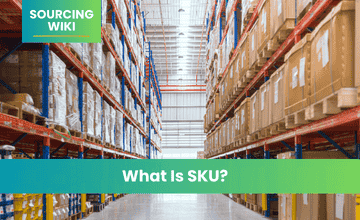
SKU, or Stock Keeping Unit, is a unique alphanumeric code assigned to a product to identify and track it within an inventory. Unlike a Universal Product Code (UPC), an SKU is internally defined by a business to manage its specific catalog. Every variation of a product—such as different colors, sizes, or packaging—requires its own unique SKU to ensure accurate tracking and order fulfillment.
For businesses expanding their product lines, managing multiple SKUs across different suppliers in China can be overwhelming. At NewBuyingAgent, we provide comprehensive Product Portfolio Management. We help you coordinate with multiple factories to consolidate various SKUs into a single shipment. Whether you are launching a product in five colors or three different sizes, we ensure each SKU meets your quality standards and is correctly labeled, packaged, and inventoried before leaving China.
The Importance of SKUs in B2B Sourcing
In professional procurement, SKUs are more than just numbers; they are the language of your supply chain:
- Inventory Accuracy: Precise SKUs prevent "stock-outs" by telling you exactly which specific variant is running low.
- Order Fulfillment: Correct SKU labeling ensures that the factory ships a "Medium Blue Shirt" instead of a "Large Green Shirt."
- Sales Analysis: By tracking data at the SKU level, businesses can identify which specific product variations are top-sellers and which are underperforming.
- Communication with Suppliers: Using unique SKUs in your Purchase Order (PO) eliminates ambiguity and reduces the risk of manufacturing errors.
SKU vs. UPC: What's the Difference?
While often confused, these two codes serve different purposes:
| Feature | SKU (Stock Keeping Unit) | UPC (Universal Product Code) |
|---|---|---|
| Usage | Internal (Specific to your business) | External (Universal across all retailers) |
| Characters | Alphanumeric (Letters and Numbers) | Numeric only (12 digits) |
| Logic | Can be customized to describe the item | Standardized barcoding |
| Cost | Free to create | Requires licensing from GS1 |
Best Practices for Creating SKUs
To make your SKUs effective for global sourcing, follow these simple rules:
- Keep it Logical: Start with the main category, followed by sub-categories like size or color (e.g., SHIRT-RED-MED).
- Avoid Starting with Zero: Some software (like Excel) can misread codes starting with "0".
- Be Concise: Don’t make them too long; keep them easy for warehouse staff and suppliers to read.
- Avoid Confusing Characters: Avoid using "O" and "0" or "I" and "1" to prevent manual entry errors.
Related Knowledge Base
Sourcing Practices & Insights: SKU
Latest Sourcing Guides




Get Started Today
Let's Turn Your Sourcing Goals into RealityWeChat:+86 15157124615
WhatsApp:+86 15157124615
Address:Building 10 #39 Xiangyuan Road, Hangzhou, China
