

MOQ
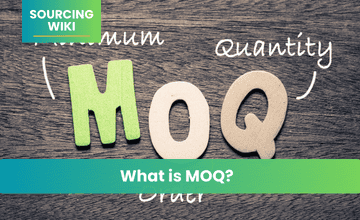
MOQ, or Minimum Order Quantity, is the lowest number of units a supplier is willing to sell in a single order. In the world of B2B sourcing and manufacturing, MOQ is a critical benchmark that determines whether a factory will accept your business. If a supplier has an MOQ of 500 units and your order is only for 200, the supplier may reject the order or significantly increase the unit price to cover their setup costs.
Navigating MOQs is one of the primary reasons businesses use a buying agent. At NewBuyingAgent, we leverage our long-term relationships with Chinese factories to secure lower MOQs that are typically unavailable to individual buyers. We match your specific volume needs with the right tier of factory and provide Order Consolidation services—pooling your requirements to make them attractive to manufacturers, ensuring you get better prices even with smaller initial batches.
Why Do Suppliers Set MOQs?
It is a common misconception that suppliers set MOQs just to force more sales. In reality, MOQs are usually driven by the supplier’s own costs and production constraints:
- Raw Material Requirements: Factories often have to buy materials (fabric, plastic pellets, custom alloys) from their own sub-suppliers who also have minimum order requirements.
- Production Setup Costs: Calibrating machinery and creating molds or plates for a specific design takes time and labor. If the order is too small, the cost of the setup exceeds the profit.
- Operational Efficiency: Large-scale factories are optimized for "long runs." Stopping a massive production line for a small batch is inefficient and costly.
Different Types of MOQ
Understanding the "level" of the MOQ can help you negotiate better:
- Product MOQ: The minimum number of a specific product (e.g., 1,000 water bottles).
- SKU/Variation MOQ: The minimum per specific color or size (e.g., 300 Red, 300 Blue).
- Order MOQ: The minimum total value of the entire purchase (e.g., $5,000 total, regardless of the mix of items).
5 Strategies to Negotiate a Lower MOQ
If you are a startup or testing a new market, use these strategies to manage high MOQs:
- Pay a Higher Unit Price: Offer to pay 10–20% more per unit in exchange for a smaller initial test batch. This covers the supplier's setup risks.
- Use Standard Materials: Choose "in-stock" materials or colors rather than custom ones to avoid the factory's raw material MOQ.
- The "Future Potential" Pitch: Provide a clear growth plan. Suppliers may accept a lower MOQ on the first order if they believe it will lead to high-volume repeat business.
- Consolidate SKUs: Instead of 5 completely different products, try 5 variations of the same product to hit the raw material threshold.
- Source from Trading Companies: If you cannot meet factory MOQs, wholesalers or trading companies offer much lower MOQs in exchange for a higher unit price.
Related Knowledge Base
Sourcing Practices & Insights: MOQ
Latest Sourcing Guides

Get Started Today
Let's Turn Your Sourcing Goals into RealityWeChat:+86 15157124615
WhatsApp:+86 15157124615
Address:Building 10 #39 Xiangyuan Road, Hangzhou, China
