

FOB
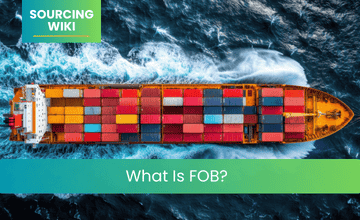
FOB, which stands for Free On Board, is one of the most widely used Incoterms (International Commercial Terms) in global trade. It defines the exact moment when the seller's responsibility ends and the buyer's responsibility begins.
In a professional quote, you will see it listed with a specific port, such as FOB Rotterdam, FOB Hamburg, or FOB Los Angeles.
How FOB Works
Under FOB terms, the seller is responsible for all costs and risks until the goods are physically loaded onto the shipping vessel at the designated port of origin. The risk of loss or damage transfers from the seller to the buyer the moment the goods are "on board."
Seller's Responsibilities:
- Export Packaging: Preparing goods for international transit.
- Local Transport: Trucking the goods from the factory/warehouse to the port.
- Export Clearance: Handling customs documentation and export duties in the country of origin.
- Origin Port Charges: Paying the "THC" (Terminal Handling Charges) and loading fees.
Buyer's Responsibilities:
- Ocean Freight: Paying the cost of shipping from the origin port to the destination.
- Insurance: Covering the goods once they are on the ship.
- Import Clearance: Handling customs, VAT/Duties, and paperwork at the destination.
- Inland Delivery: Transporting the goods from the arrival port to the final warehouse.
Related Knowledge Base
Sourcing Practices & Insights: FOB
NewBuyingAgent
Latest Sourcing Guides



Get Started Today
Let's Turn Your Sourcing Goals into RealityWeChat:+86 15157124615
WhatsApp:+86 15157124615
Address:Building 10 #39 Xiangyuan Road, Hangzhou, China
