

Bill of Lading (B/L)
Concept Definition
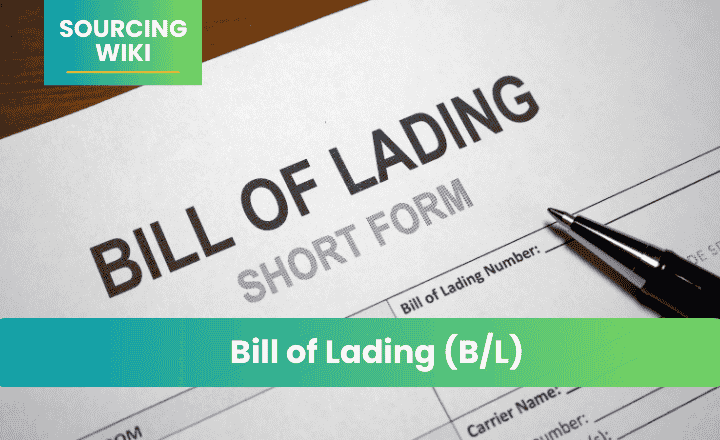
TheBill of Lading (B/L)is arguably the most important document in international trade. It is a legal document issued by a carrier (shipping line or freight forwarder) to the shipper (seller) that details the type, quantity, and destination of the goods being carried.
The B/L serves three critical functions:
- Evidence of Contract: It proves that a contract of carriage exists between the shipper and the carrier.
- Receipt of Goods: It confirms that the carrier has received the cargo in apparent good condition.
- Document of Title: In many cases, whoever holds the original B/L owns the goods. It is the "key" to the container.
Key Types of Bill of Lading
Depending on the payment terms (like L/C or D/P) and the speed of the shipment, different types of B/Ls are used:
| Type | Description | Best Use Case |
|---|---|---|
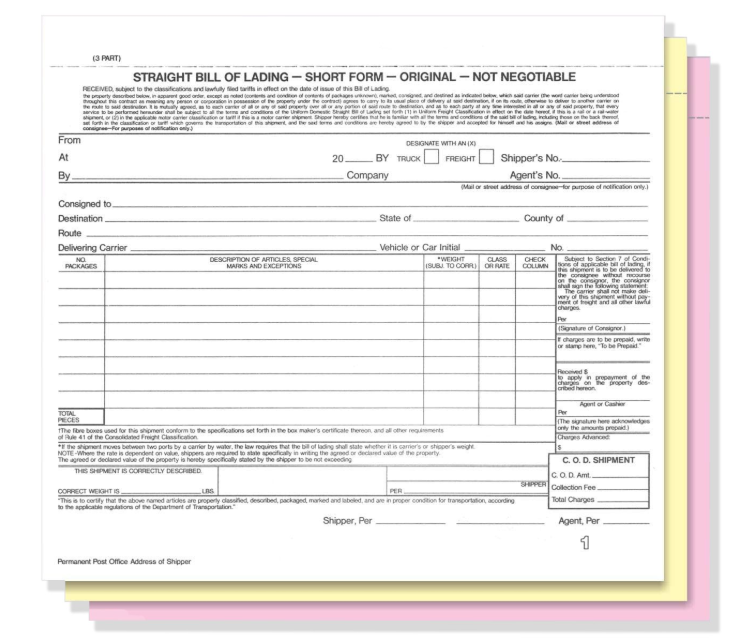
| Straight B/L | Non-negotiable; goods are delivered directly to a specific named consignee. | Inter-company transfers or open account (O/A) terms. |
| Order B/L | Negotiable; can be endorsed to a third party (like a bank). | Letter of Credit (L/C) or Documents Against Payment (D/P). |
| Telex Release | A digital "message" sent from the origin agent to the destination agent; no physical paper is needed. | Fast transit times where paper docs might arrive later than the ship. |
| Master B/L (MBL) | Issued by the actual shipping line (e.g., Maersk, MSC) to the forwarder. | Large FCL (Full Container Load) shipments. |
| House B/L (HBL) | Issued by the Freight Forwarder (NVOCC) to the actual shipper. | LCL (Less than Container Load) or specialized logistics. |
Essential Fields to Check
A single typo on a B/L can cause weeks of customs delays and thousands of dollars in "demurrage" (storage) fees. Always verify:
- Shipper: The name and address of the seller.
- Consignee: The party who has the legal right to receive the goods (often the buyer or a bank).
- Notify Party: Usually the buyer or the customs broker who needs to be alerted when the ship arrives.
- Port of Loading (POL) & Port of Discharge (POD): The origin and destination ports.
- Description of Goods: Must match the Commercial Invoice and Packing List exactly.
- Freight Prepaid vs. Collect: Does it match your Incoterms?
Essential Considerations & Warnings
- Loss of Original B/Ls: If you lose a set of "Original" Bills of Lading, it is a nightmare. Shipping lines often require a bank guarantee (worth 150-200% of the cargo value) to be held for years before they will release the goods without the original paperwork.
- "Clean" vs. "Claused": Always insist on a "Clean Shipped on Board" B/L. If the carrier writes a note saying "cartons damaged" or "leaking," the B/L is "claused," and your bank will likely reject it under a Letter of Credit.
- The Switch B/L: In "Triangular Trade" (where a middleman buys from a factory and sells to a final buyer), a "Switch B/L" is used to hide the factory's identity from the final customer.
Related Knowledge Base
Sourcing Practices & Insights: Bill of Lading (B/L)
NewBuyingAgent
Latest Sourcing Guides


Get Started Today
Let's Turn Your Sourcing Goals into RealityWeChat:+86 15157124615
WhatsApp:+86 15157124615
Address:Building 10 #39 Xiangyuan Road, Hangzhou, China
