

CIP (Carriage and Insurance Paid To)
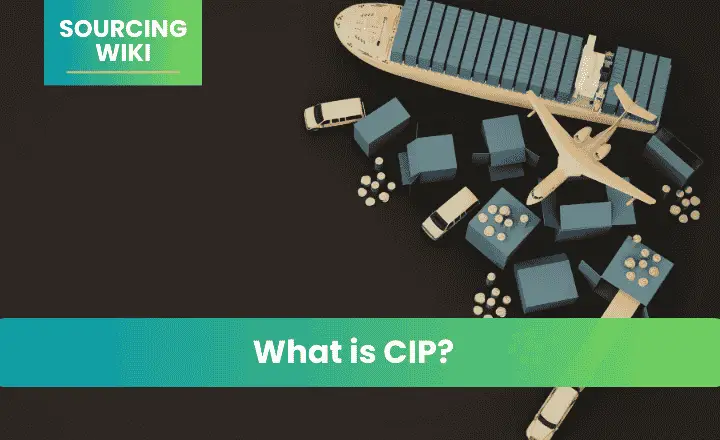
Concept Definition
CIP (Carriage and Insurance Paid To) is an Incoterms® rule that functions identically to CPT, with one critical upgrade: the seller is contractually obligated to obtain insurance cover for the buyer's benefit against the risk of the buyer's loss or damage to the goods during transit.
What Is CIP Meaning in Shipping?
CIP is a comprehensive shipping term often used for high-value goods where the cost of a potential loss would be devastating. It allows the buyer to benefit from the seller’s shipping arrangements while ensuring that the cargo is financially protected during the main carriage.
Example Scenario: Suppose you are buying high-end medical diagnostic equipment from a manufacturer in Shenzhen, China, to be delivered to your private clinic in Berlin, Germany. Under CIP (Named Place: Berlin Airport), here is how the process looks:
- Freight & Insurance: The seller clears the goods for export, arranges the flight to Berlin, and purchases an insurance policy covering the goods while in transit.
- Risk Transfer: Similar to CPT, the risk transfers to you the moment the seller hands the medical equipment to the first carrier (e.g., the trucking company picking it up from the Shenzhen factory).
- The "Safety Net": If the equipment is damaged during the flight from China to Germany, you do not have to absorb the cost alone. You can file a claim against the insurance policy that the seller purchased.
- Importing: Once the goods land in Berlin, you are responsible for clearing them through German customs and paying the relevant import duties and taxes.
In this scenario, you get the peace of mind of insured shipping without having to negotiate separate insurance contracts yourself.
Responsibilities: Who Does What?
| Responsibility | Seller (Exporter) | Buyer (Importer) |
|---|---|---|
| Export Clearance | ✅ | ❌ |
| Main Carriage (Freight) | ✅ | ❌ |
| Insurance Coverage | ✅ | ❌ |
| Import Clearance | ❌ | ✅ |
| Duties & Taxes | ❌ | ✅ |
| Risk Transfer | At first carrier's hands | During main carriage |
Why Choose CIP?
- Risk Mitigation for High-Value Cargo: If you are importing electronics, luxury goods, or sensitive equipment, the insurance requirement makes CIP much safer than CPT.
- Convenience: You don't need to coordinate with an insurance company. The seller adds the cost of insurance to the product price, and you receive the coverage as part of the transaction.
- Streamlined Logistics: The seller manages the transport booking and the insurance, leaving you to focus solely on the import clearance once the goods arrive in your country.
Essential Considerations & Warnings
- The "Clause A" Standard: Under Incoterms® 2020, CIP requires the seller to provide "All Risk" (Clause A) insurance. However, always verify this in your Purchase Order. Some sellers might try to use "Minimum Cover" (Clause C), which covers fewer risks. Always demand "All-Risk/Clause A" coverage for high-value items.
- Insurance Value: CIP insurance must cover at least 110% of the contract value. Check the insurance certificate provided by the seller to ensure the coverage amount is accurate and the currency matches your transaction.
- The "Risk Transfer" Gap: Always remember that even though the seller pays for the insurance, the risk still transfers early (to the first carrier). If something goes wrong before the goods reach the main carrier, make sure your contract is clear about the seller's accountability.
Related Knowledge Base
Sourcing Practices & Insights: CIP (Carriage and Insurance Paid To)
Latest Sourcing Guides



Comece hoje
Vamos transformar seus objetivos de compras em realidadeWeChat:+86 15157124615
WhatsApp:+86 15157124615
Endereço: Edifício 10 #39 Xiangyuan Road, Hangzhou, China
