
Tooling & Mold Approval
Concept Definition
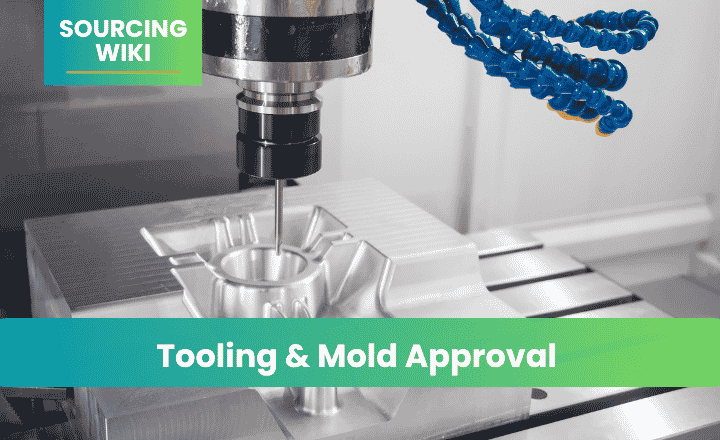
Tooling and Mold Approval is the process of verifying and signing off on the custom molds or dies required to manufacture specific parts, usually made of plastic, metal, or silicon. In product development, this is often the most expensive and time-consuming phase. Once a mold is "cut" in steel, making significant changes is costly and difficult.
At NewBuyingAgent, we view the tooling stage as the "Point of No Return." Proper approval ensures that the physical dimensions, surface finish, and structural integrity of the parts match the original 3D designs before the factory moves into mass production.
The Stages of Tooling Approval
The approval process is typically divided into several "Trials" (T-stages) to refine the output:
- T0 / T1 Sample (The First Shot): The first samples produced from the new mold. These are often used to check dimensions and basic functionality. The surface finish might be rough, and the color may not be final.
- T2 / T3 Samples (Refinement): Based on feedback from T1, the factory adjusts the mold (e.g., thinning a wall, fixing a sink mark, or adjusting a hinge). These samples should be much closer to the final product.
- Final Tooling Sample (Golden Sample): The version that is 100% approved for mass production. This sample "locks in" the texture, color, and fit.
Key Checkpoints for Approval
When evaluating a tooling sample, the following technical aspects must be verified:
- Dimensional Accuracy: Using calipers or a CMM (Coordinate Measuring Machine) to ensure the part matches the 2D/3D technical drawings.
- Surface Finish & Texture: Checking for "Flash" (extra plastic leaking at the seams), "Sink Marks" (dimples caused by cooling), and the correct grain or polish (e.g., matte vs. glossy).
- Gate & Parting Lines: Ensuring that the points where plastic enters the mold and where the mold halves meet are placed in areas that do not affect the product's aesthetics or assembly.
- Fit & Assembly: If the mold produces multiple parts that must click together, the "Tolerance" must be checked to ensure a perfect fit without gaps or overlapping.
Why the Approval Process is Critical
- High Financial Stakes: Mold costs can range from thousands to tens of thousands of dollars. Approving a flawed T1 sample can lead to the entire mold being scrapped.
- Lead Time Management: Creating a mold usually takes 30–45 days. If errors are found too late, it can delay a product launch by months.
- Consistency: A well-approved mold ensures that the 1st unit produced is identical to the 10,000th unit.
Best Practices for Buyers
- Request a DFM Report: Before the mold is even made, ask the factory for a Design for Manufacturing (DFM) report. This identifies potential molding issues (like sharp corners or thick sections) while the design is still digital.
- Verify "Mold Ownership": Ensure your contract states that you own the physical mold and that it can be moved to another factory if necessary.
- Maintenance Logs: For high-volume orders, ask the factory how they maintain the tool. Molds have a "Life Cycle" (e.g., 100,000 shots), and quality will degrade as the tool wears out.
Related Knowledge Base
Sourcing Practices & Insights: Tooling & Mold Approval
Latest Sourcing Guides




Get Started Today
Let's Turn Your Sourcing Goals into RealityWeChat:+86 15157124615
WhatsApp:+86 15157124615
Address:Building 10 #39 Xiangyuan Road, Hangzhou, China