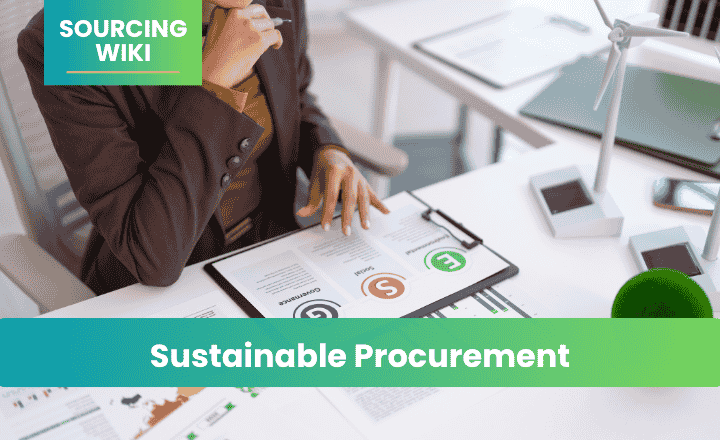
Sustainable Procurement
Concept Definition
Sustainable procurement is the practice of integrating environmental, social, and economic considerations into purchasing decisions alongside traditional criteria such as price, quality, and delivery. It reflects an organization's commitment to using its purchasing power to generate positive outcomes—not only for the organization itself but for society, the environment, and future generations.
The Three Dimensions: Environmental, Social, and Economic
Sustainable procurement rests on a "triple bottom line" approach:
The environmental dimension of sustainable procurement addresses the ecological impact of purchased goods and services throughout their lifecycle. This includes prioritizing products with lower carbon footprints, reduced water consumption, minimal hazardous substances, and recyclable or biodegradable materials. Green procurement criteria may extend to packaging, transportation modes, energy efficiency during use, and end-of-life disposal or recovery. Organizations increasingly require suppliers to disclose environmental data, adopt certified environmental management systems, and set measurable targets for emissions reduction and resource efficiency.
The social dimension focuses on human welfare within the supply chain. This encompasses labor standards—ensuring that suppliers provide fair wages, safe working conditions, reasonable working hours, and freedom from forced or child labor. It also includes promoting supplier diversity by actively seeking to source from small and medium enterprises, minority-owned businesses, women-owned enterprises, and social enterprises. Community impact, indigenous rights, and accessibility considerations may also inform procurement decisions in organizations with advanced sustainability programs.
The economic dimension ensures that sustainable procurement practices remain financially viable and contribute to long-term value creation. This involves applying total cost of ownership analysis to capture the full economic impact of purchasing decisions, including externalities such as environmental remediation costs or social program benefits. It also means supporting local economies through preference for local suppliers where feasible and building resilient supply chains that can withstand disruptions.
Frameworks, Standards, and Regulations
International frameworks provide structure for sustainable procurement programs. ISO 20400, the international standard for sustainable procurement, offers comprehensive guidance on integrating sustainability into the procurement process. The United Nations Sustainable Development Goals provide a widely recognized reference framework for aligning procurement practices with global sustainability priorities. National and regional regulations—particularly in the European Union—are increasingly mandating sustainability due diligence, carbon reporting, and environmental product standards in public and private procurement.
Implementation: Leadership, Policies, and Engagement
Implementation requires organizational commitment at multiple levels. Leadership endorsement establishes sustainability as a strategic procurement priority. Policies and procedures embed sustainability criteria into sourcing decisions, supplier evaluations, and contract terms. Supplier engagement programs communicate expectations, provide support for improvement, and build collaborative partnerships focused on mutual sustainability objectives. Training programs equip procurement professionals with the knowledge and skills to evaluate sustainability factors alongside commercial considerations.
Measurement and reporting are essential for accountability and continuous improvement. Sustainability key performance indicators—such as the percentage of spend with certified suppliers, carbon emissions across the supply chain, or the number of suppliers audited for social compliance—provide quantifiable evidence of progress. Transparency through sustainability reports, supply chain disclosures, and participation in reporting frameworks demonstrates commitment to stakeholders.
Challenges and Strategic Value Creation
Sustainable procurement is not without challenges. Balancing sustainability aspirations with cost pressures, managing the complexity of global supply chain due diligence, and verifying supplier claims all require sustained effort and investment. However, evidence increasingly shows that sustainable procurement creates tangible business value through risk reduction, innovation, brand enhancement, regulatory preparedness, and stakeholder trust.
Related Knowledge Base
Sourcing Practices & Insights: Sustainable Procurement
Latest Sourcing Guides




Get Started Today
Let's Turn Your Sourcing Goals into RealityWeChat:+86 15157124615
WhatsApp:+86 15157124615
Address:Building 10 #39 Xiangyuan Road, Hangzhou, China