

T/T (Telegraphic Transfer)
Concept Definition
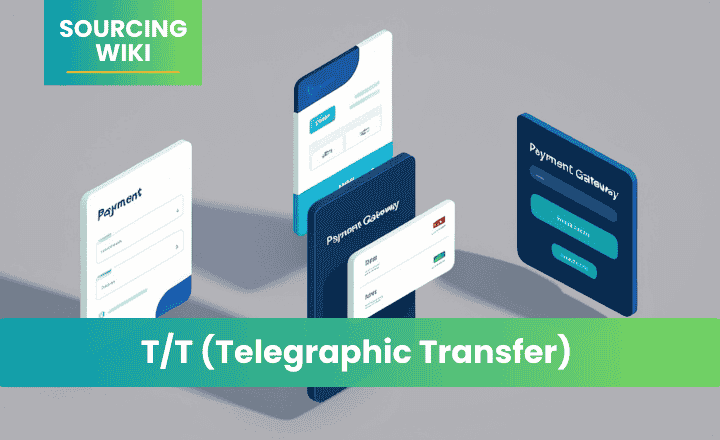
T/T (Telegraphic Transfer) is the most common method of payment in international trade, serving as the foundational way to move funds between a buyer and a seller. It is a direct bank-to-bank transfer where the buyer instructs their bank to remit funds to the seller's bank account.
Unlike instruments like Letters of Credit, T/T does not involve a bank acting as an intermediary to verify documents or guarantee payment. It relies entirely on the trust established between the buyer and the seller.
What Is T/T Meaning in International Trade?
T/T is effectively a modern "wire transfer." It is used for the vast majority of B2B transactions because it is fast, relatively low-cost, and easy to execute. However, because it lacks external guarantees, the payment terms are usually split to mitigate risk for both parties.
Example Scenario: Suppose you are ordering a batch of custom electronics from a factory in Shenzhen, China, to be shipped to your warehouse in Los Angeles, USA. A standard T/T payment structure (the "30/70 model") would look like this:
- The Deposit (30%): You wire a 30% deposit to the supplier’s corporate account. This provides the supplier with the liquidity to purchase raw materials and start production.
- Production: The factory manufactures your goods.
- Inspection/Proof: Before paying the balance, you receive a packing list and possibly an inspection report, or a copy of the Bill of Lading, confirming the goods are ready.
- The Balance (70%): You wire the remaining 70%. Once the funds hit the supplier's account, they release the original Bill of Lading (or the goods themselves) to you.
- Shipment: You then receive your goods and clear them through U.S. customs.
Responsibilities: Who Does What?
| Responsibility | Buyer (Importer) | Seller (Exporter) |
|---|---|---|
| Bank Instruction | ✅ | ❌ |
| Account Verification | ✅ | ❌ |
| Remitting Funds | ✅ | ❌ |
| Receiving Funds | ❌ | ✅ |
| Releasing Goods/Docs | ❌ | ✅ |
When Should You Use T/T?
- Established Relationships: T/T is ideal when you have worked with a supplier for several years and have developed a high level of mutual trust.
- Low-Value Orders: For small batches or sample orders, the high fees and administrative burden of a Letter of Credit (L/C) are not economically justified.
- Speed: When you need the goods manufactured and shipped quickly, T/T avoids the lengthy document-vetting processes required by banks.
Essential Considerations & Warnings
- The "Account Change" Scam: This is the most prevalent threat in international trade. If a supplier emails you claiming their "bank account has changed" and provides new details, do not pay. Scammers frequently hack email accounts to intercept payment instructions. Always verify account changes via a secondary, trusted channel (such as a voice or video call).
- No Payment Guarantee: T/T offers no built-in protection if the seller fails to ship the goods or sends defective products. Once the money is wired, it is nearly impossible to recall. For new suppliers, consider combining T/T with a platform-based payment protection (like Alibaba Trade Assurance).
- Verify Beneficiary Names: Only pay to a corporate bank account that matches the supplier's legal name on the Proforma Invoice. Never wire funds to a personal account (e.g., a "Mr. Zhang" personal account) for a corporate transaction, as this is a red flag for fraud.
Related Knowledge Base
Sourcing Practices & Insights: T/T (Telegraphic Transfer)
Latest Sourcing Guides


Get Started Today
Let's Turn Your Sourcing Goals into RealityWeChat:+86 15157124615
WhatsApp:+86 15157124615
Address:Building 10 #39 Xiangyuan Road, Hangzhou, China
