

Pre-Shipment Inspection (PSI)
Concept Definition
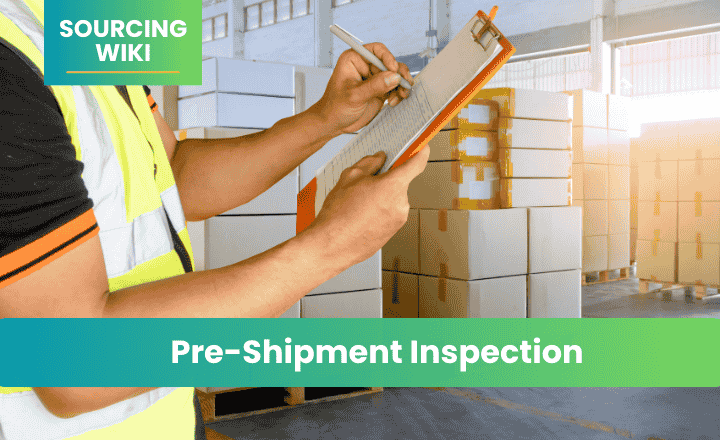
Pre-Shipment Inspection (PSI), also known as a Final Random Inspection (FRI), is a systematic process where a third-party inspection body or the buyer’s agent examines a batch of goods before they are shipped. This occurs when the order is 100% completed and at least 80% packed.
In international trade, PSI is the most critical "quality gate." It is the final opportunity for the buyer to identify defects, quantity discrepancies, or packing errors while the goods are still in the seller's possession. Once the goods are on the ship and the balance is paid, resolving quality issues becomes exponentially more difficult and expensive.
Why is PSI Critical for Importers?
Many suppliers maintain high standards during the sample stage but may experience "quality fade" during mass production. PSI provides an objective, unbiased report on the actual state of your shipment.
The Main Benefits of PSI:
- Prevents "Dead on Arrival" Goods: Ensures you don't pay for broken or non-functional items.
- Verifies Quantity: Confirms that the number of units you ordered is exactly what is in the boxes.
- Ensures Compliance: Checks that the products meet the safety standards and labeling requirements of your destination country.
- Payment Security: Under many Letter of Credit (L/C) terms, a "Clean Inspection Certificate" is a mandatory document for the seller to get paid.
What Happens During a PSI? (The Checklist)
Inspectors typically use a standardized checklist based on the AQL (Acceptable Quality Limit) standard. Key checks include:
- Quantity Verification: Counting cartons and units to ensure the order is complete.
- Workmanship: Checking for physical defects (scratches, loose threads, color mismatches).
- On-Site Testing: Performing functional tests (e.g., "Hi-pot" tests for electronics, drop tests for packaging, or assembly checks for furniture).
- Packaging & Labeling: Verifying that shipping marks, barcodes, and retail packaging are correct and meet legal requirements.
- Product Specifications: Measuring dimensions, weight, and comparing the finished product against the original Purchase Order (PO) or approved sample.
The AQL Standard: How "Pass/Fail" is Decided
Most PSIs do not check every single unit (which would be too slow). Instead, they use a statistical sampling method called AQL (Acceptable Quality Limit).
- Sample Size: Based on the total order quantity, the AQL tables determine how many units must be inspected.
- Defect Classification: * Critical: Potential safety hazards or non-compliance (e.g., exposed wires).Major: Functional failures or significant aesthetic issues that make the product unsellable.Minor: Small imperfections that do not affect the use of the product.
- The Result: If the number of defects found exceeds a certain threshold, the inspection results in a "Fail," and the buyer is advised not to ship.
Essential Considerations & Warnings
- The "Failed" Inspection: If a PSI fails, do not allow the supplier to ship. Instruct them to perform a "100% Re-work" or sorting. You should also state in your contract that the cost of any re-inspection is to be paid by the supplier.
- Timing is Key: Schedule the PSI at least 3–5 days before the "ETD" (Estimated Time of Departure). If you find problems, you need a buffer to fix them before the ship leaves.
- Independence Matters: Never allow the factory to perform their own "internal inspection" as a substitute for PSI. Always hire a professional third-party agency (e.g., SGS, V-Trust, QIMA) to ensure the report is honest.
- Beyond the Report: An inspection report is a "snapshot." It tells you what is in the boxes, but it doesn't fix the root cause of the problem. Use the findings to negotiate discounts or improve future production cycles.
Related Knowledge Base
Sourcing Practices & Insights: Pre-Shipment Inspection (PSI)
Latest Sourcing Guides



Get Started Today
Let's Turn Your Sourcing Goals into RealityWeChat:+86 15157124615
WhatsApp:+86 15157124615
Address:Building 10 #39 Xiangyuan Road, Hangzhou, China
