

Procurement Process
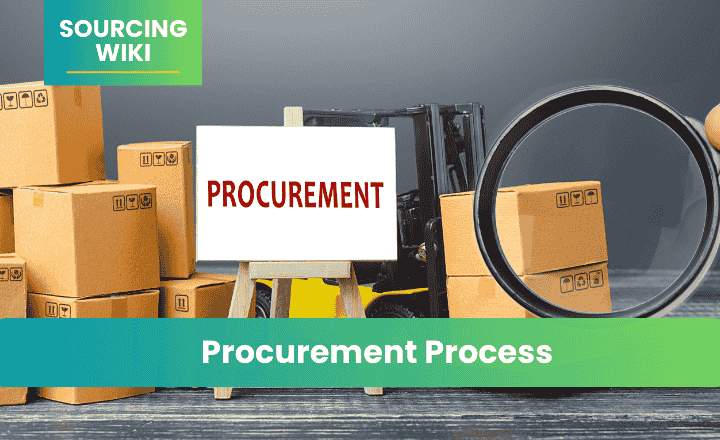
The procurement process is a structured sequence of activities designed to acquire goods, services, or works from external suppliers efficiently and ethically. It transforms organizational needs into tangible outcomes through defined stages, each contributing to cost control, quality assurance, and delivery reliability. For organizations, mastering this process is foundational to operational excellence—reducing waste, mitigating risks, and aligning spend with strategic goals.
Core Stages of the Procurement Process
A standardized procurement process typically follows seven interconnected stages, optimized for clarity and accountability:
- Needs Identification & Specification: Stakeholders define requirements (quantity, quality, timeline) and document them in a detailed statement of work (SOW). This stage prevents over-specification or ambiguity, reducing rework later.
- Supplier Identification & Sourcing: Potential suppliers are shortlisted via market research, databases (e.g., Dun & Bradstreet), or past performance records. Strategies include competitive bidding (RFQ), request for proposals (RFP), or sole-source negotiations (for specialized goods).
- Evaluation & Selection: Suppliers are assessed against criteria like cost, quality certifications (ISO 9001), delivery capacity, financial stability, and sustainability practices (e.g., carbon footprint). Weighted scoring models ensure objective decisions.
- Contract Negotiation & Award: Terms (pricing, payment schedules, warranties, liability clauses) are finalized. Contracts often reference industry standards (e.g., ICC model contracts) to minimize legal gaps.
- Order Placement & Fulfillment: Purchase orders (POs) are issued electronically (via ERP systems like SAP Ariba) and tracked for confirmation. Automated alerts flag delays or discrepancies.
- Delivery, Inspection & Acceptance: Goods/services are verified against PO terms (quality checks, quantity audits). Non-conformities trigger corrective action plans (CAPA) per ISO 9001 protocols.
- Invoice Processing & Payment: Approved invoices are matched to POs and receipts (three-way matching). Timely payments (per contract terms) maintain supplier relationships and avoid penalties.
Technology’s Role in Streamlining the Process
Modern procurement relies on digital tools to eliminate manual bottlenecks:
- Automation: AI-powered systems auto-generate POs from approved requisitions, reducing human error by ~30% (per Gartner).
- e-Sourcing Platforms: Tools like Coupa or Jaggaer centralize bid management, enabling real-time supplier comparisons.
- Supplier Relationship Management (SRM): Cloud-based SRM software tracks supplier performance (on-time delivery, defect rates) and flags risks (e.g., financial instability via credit monitoring).
- Analytics: Dashboards visualize spend patterns, highlighting maverick spending (unapproved purchases) for correction.
Measuring Process Effectiveness
Key Performance Indicators (KPIs) validate each stage’s contribution to overall efficiency:
- Cycle Time: Duration from need identification to payment (target: reduce by 20–30% via automation).
- Cost Savings: Achieved through competitive sourcing or volume discounts (tracked via total cost of ownership, TCO).
- Compliance Rate: % of purchases adhering to preferred supplier lists or contract terms (aim: >95%).
- Supplier Performance Score: Composite metric (delivery, quality, responsiveness) updated quarterly.
Professional Practice & Continuous Improvement
Practitioners must blend technical skills (contract law, data analysis) with business acumen (understanding departmental needs). Certification programs like the Chartered Institute of Procurement & Supply (CIPS) or Institute for Supply Management (ISM) provide frameworks for best practices.
Improvement is iterative: Post-order reviews identify bottlenecks (e.g., slow approvals), while benchmarking against industry standards (e.g., APQC process benchmarks) reveals optimization opportunities. For example, a manufacturer reduced its sourcing cycle by 40% by adopting e-RFPs and automated supplier pre-qualification.
The Strategic Value of a Well-Defined Process
A disciplined procurement process is more than a cost-control tool—it builds supply chain resilience. By standardizing steps, organizations reduce ad-hoc spending, enhance transparency, and position themselves to negotiate better terms during market volatility. As noted in a 2023 Deloitte study, companies with mature procurement processes report 15–25% lower supply chain costs and 30% faster response times to disruptions.
In summary, the procurement process is a repeatable, data-informed framework that turns organizational needs into value. Its strength lies in balancing structure (standardized stages) with adaptability (technology, supplier collaboration)—ensuring every acquisition supports both immediate goals and long-term competitiveness.
Related Knowledge Base
Sourcing Practices & Insights: Procurement Process
Latest Sourcing Guides


Get Started Today
Let's Turn Your Sourcing Goals into RealityWeChat:+86 15157124615
WhatsApp:+86 15157124615
Address:Building 10 #39 Xiangyuan Road, Hangzhou, China
