

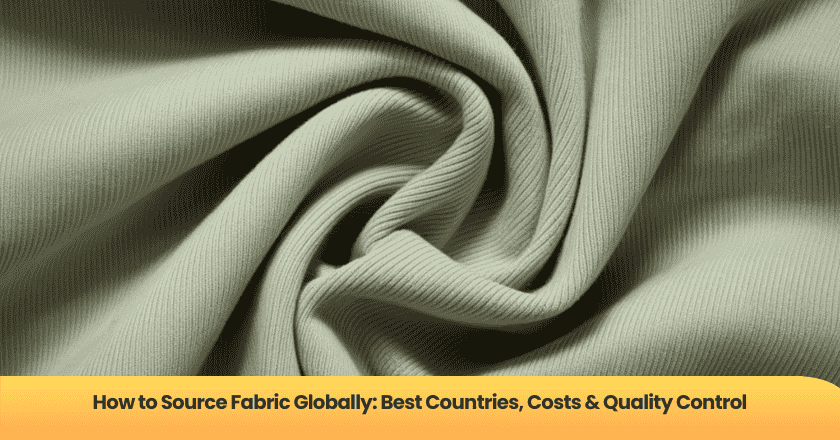
Ready to streamline your fabric sourcing? Discover why 70% of global fabrics come from specific regions and how to choose the right partner for your brand. This guide breaks down the pros and cons of sourcing in China, Vietnam, Turkey, and beyond. Avoid common pitfalls with our expert vetting tips and a step-by-step checklist from research to final delivery. Stop overpaying and start building a reliable supply chain today by exploring the world's leading textile specialties and sustainable options.
Key Takeaways
- China leads in fabric sourcing with a vast selection and advanced technology. Ideal for high-volume needs and competitive pricing.
- Bangladesh offers cost-effective options for bulk orders. Consider Bangladesh for affordable pricing and reliable production.
- Turkey provides quality textiles with quick access to Europe. Use Turkey for fast delivery and flexible order sizes.
The Fabric Sourcing Complete Guide: Countries and Specialties
China: Leading Fabric Supplier
Our experience shows that China dominates the global textile market. The country produces a vast range of fabric, including cotton, polyester, silk, and blends. Businesses benefit from China's advanced manufacturing technology and large-scale production. China offers competitive pricing and consistent quality. Sourcing in China provides access to a network of suppliers who can meet high-volume demands. You see innovation in textile production, which helps you stay ahead in the market. Sourcing products in Asia often starts with China because of its reliability and efficiency.
Key Advantages of China:
- Wide selection of textile types
- Strong infrastructure for sourcing products in Asia
- High production capacity
- Advanced technology for fabric manufacturing
- Efficient logistics for global delivery
Bangladesh: Cost-Effective Fabric Sourcing
Bangladesh is recognized for its cost-effective textile industry. The country specializes in knitwear, denim, and woven fabric. You benefit from low labor costs and large-scale production. Sourcing products in Asia from Bangladesh helps you manage budgets for bulk orders. You see a focus on compliance and improving working conditions. Bangladesh supports fast turnaround for basic textile needs.
Bangladesh's Strengths:
- Affordable pricing for fabric sourcing
- High-volume production capacity
- Growing reputation for ethical sourcing
- Reliable supply chain for sourcing products in Asia
Turkey: Quality and Proximity
Turkey offers you high-quality textile and quick access to European markets. The country produces cotton, wool, and technical fabric. Turkey is noted for its advanced weaving and dyeing techniques. Sourcing products in Asia often includes Turkey for its short lead times and flexible order quantities. You find suppliers who deliver premium fabric with fast shipping.
Table: Turkey's Textile Advantages
| Feature | Benefit for You |
|---|---|
| Quality Control | Consistent fabric output |
| Location | Fast delivery to Europe |
| Flexibility | Small and large orders |
Italy: Luxury Fabric Types
Italy sets the standard for luxury textile. You source silk, wool, cashmere, and high-end blends from Italian mills. The country leads in fashion-forward design and premium quality. You choose Italy when you need exclusive fabric for luxury brands. Sourcing products in Asia rarely matches Italy's craftsmanship and attention to detail. You find suppliers who offer limited edition and custom textile.
Note: Italy's reputation for luxury fabric makes it ideal for high-end fashion and bespoke projects.
USA, Pakistan, South Korea, Indonesia: Other Key Players
You explore other important countries for fabric sourcing. The USA provides advanced textile technology and strict quality standards. Pakistan specializes in cotton and denim, offering reliable sourcing products in Asia. South Korea leads in innovative textile, especially for sportswear and technical fabric. Indonesia supplies rayon, batik, and blended textile at competitive prices. You diversify your sourcing strategy by considering these countries for specific fabric needs.
Quick Comparison List:
- USA: Technical textile, strict standards
- Pakistan: Cotton, denim, cost-effective sourcing products in Asia
- South Korea: Sportswear, innovative textile
- Indonesia: Rayon, batik, blended fabric
You maximize your business potential by understanding the specialties of each country. The fabric sourcing complete guide: countries helps you match your needs with the right supplier. You improve your sourcing products in Asia strategy by comparing production strengths, cost, and quality across regions.
Fabric Sourcing Steps: From Research to Delivery
Define Fabric Needs and Types
Start the fabric sourcing journey by identifying your specific requirements. Consider the end use of the textile, such as apparel, home furnishings, or industrial applications. List the fabric types you need, including cotton, polyester, silk, wool, or blends. Determine the weight, texture, color, and finish that best suit your product. You also assess durability, breathability, and care instructions. Clear specifications help you communicate effectively with suppliers and avoid misunderstandings.
Tip: Create a checklist of fabric types, desired properties, and performance standards before contacting any supplier.
Research Sourcing Countries
Research the best countries for fabric sourcing based on your needs. Study each region's strengths in textile production. For example, China offers a wide range of fabric types and high-volume capacity. India excels in natural and artisan textile. Bangladesh provides cost-effective options for bulk orders. Turkey delivers quality and fast shipping to Europe. Vietnam specializes in synthetic and blended textile. Italy leads in luxury fabric. Compare production capabilities, lead times, and compliance standards. Additionally, consider trade regulations and import duties.
| Country | Specialty Fabric Types | Key Advantages |
|---|---|---|
| China | Cotton, polyester, blends | Scale, innovation |
| India | Silk, cotton, wool | Tradition, sustainability |
| Bangladesh | Denim, knitwear | Affordability, volume |
| Turkey | Technical, cotton, wool | Speed, proximity |
| Vietnam | Synthetic, blends | Growth, adaptation |
| Italy | Luxury, cashmere, silk | Premium quality |
Find Fabric Suppliers and Agents
Identify reliable suppliers and agents who specialize in textile and product sourcing. Use online B2B platforms, trade directories, and industry forums to identify potential partners. Attend trade shows and textile exhibitions to meet suppliers in person. Request company profiles, production capabilities, and references. Evaluate their experience with your required fabric types and their ability to meet your standards. Agents can help you navigate language barriers and local business practices.
Note: Always verify supplier credentials and request samples before committing to large orders.
Request Samples and Assess Quality
You request fabric samples from shortlisted suppliers. Examine the textile for color consistency, weave quality, and finishing. Test the fabric for shrinkage, colorfastness, and durability. Compare samples from different suppliers to find the best match for your needs. You also check for compliance with international standards and certifications. Quality assessment at this stage prevents costly mistakes later in the sourcing process.
Negotiate Price and Terms
You negotiate pricing, minimum order quantities, and payment terms with your chosen supplier. Research market rates for your selected fabric types to ensure competitive pricing. Discuss lead times, delivery schedules, and quality guarantees. Clarify terms for returns, replacements, and compensation for defects. You document all agreements in a formal contract to protect your interests.
Alert: Transparent communication during negotiation helps you avoid hidden costs and delays.
Place Orders and Manage Production
You place your order once you finalize all terms. Monitor production progress through regular updates from the supplier. Request photos or videos of the textile manufacturing process. You schedule inspections at key stages to ensure quality standards are met. Address any issues promptly to keep production on track. Effective management reduces the risk of delays and quality problems.
Shipping, Customs, and Logistics
You arrange shipping and handle customs clearance for your fabric order. Choose the most suitable logistics provider based on cost, speed, and reliability. Prepare all necessary documentation, including invoices, packing lists, and certificates of origin. Track your shipment and coordinate with customs agents to avoid delays. You plan for import duties and taxes in advance to manage your budget.
Tip: Work with logistics experts who understand textile shipping requirements and international regulations.
By following these steps, you streamline your fabric sourcing process and minimize risks. You ensure that your textile meets quality standards, arrives on time, and supports your business goals.
Key Considerations in Fabric Sourcing
Quality Standards and Certifications
Quality standards must be evaluated at the onset of fabric sourcing. Reliable textile suppliers provide certifications that confirm their fabric meets international requirements. You should request documentation for cotton, polyester, and other textile types. Quality control processes help you avoid defects and ensure consistent fabric selection. You can ask for third-party inspection reports to verify quality control. Certifications such as OEKO-TEX or GOTS indicate responsible sourcing and ethical production.
Cost, MOQs, and Payment Terms
You need to compare costs across suppliers for each textile order. Minimum order quantities (MOQs) affect your budget and inventory planning. You should negotiate payment terms that support your cash flow. Transparent pricing helps you make confident fabric decisions. You must factor in the cost of sustainable materials and ethical labor practices when you select fabric. Responsible sourcing often leads to better long-term value.
Sustainability and Ethical Sourcing
Prioritizing sustainability is essential for modern fabric sourcing projects. Sustainable fabric options include organic cotton and recycled polyester. You need to ask suppliers about their use of sustainable materials and ethical labor practices. Supply chain transparency ensures responsible sourcing and ethical production. You can choose suppliers who prioritize sustainability and offer sustainable fabric options. Ethical sourcing supports your brand reputation and customer trust.
Tip: Always request information about sustainability initiatives and ethical standards from your textile suppliers.
Lead Times and Production Capacity
You must assess lead times before you place a fabric order. Production capacity determines if a supplier can meet your deadlines. You should confirm that the textile supplier can deliver the required quantity of fabric selection on time. Fast lead times help you respond to market changes and customer demand. Reliable production capacity supports your business growth.
Communication and Language
Clear communication with textile suppliers during fabric sourcing. Language barriers can cause misunderstandings in fabric selection and order details. You should use written agreements and visual references to clarify requirements. Effective communication ensures quality control and responsible sourcing throughout the supply chain.
Logistics and Import Duties
You must plan logistics for every textile shipment. Import duties affect the total cost of fabric sourcing. You should prepare all shipping documents and understand customs regulations for your region. Reliable logistics partners help you track fabric orders and avoid delays. You need to factor in import duties when you calculate the final cost of fabric selection.
Note: Early planning for logistics and import duties reduces risk and supports smooth delivery of textile products.
Country Pros and Cons for Fabric Sourcing
China: Scale and Innovation
You gain access to the largest textile industry in the world when you choose China for fabric sourcing. China offers unmatched scale and advanced technology. You find every type of fabric, from basic cotton to technical blends. The country leads in textile innovation and automation. You benefit from efficient logistics and a wide supplier network. However, you must monitor quality and ensure ethical standards in your supply chain. China supports large orders and fast production cycles.
India: Diversity and Tradition
India gives you a rich selection of textile options. You source natural fabric like cotton, silk, and wool. The country values artisan skills and traditional methods. You find unique patterns and sustainable practices. India supports ethical sourcing through small workshops and organic farms. You may face longer lead times and need to check consistency in fabric quality.
Bangladesh: Affordability and Volume
Bangladesh stands out for affordable textile production. You choose this country for bulk fabric orders. Bangladesh specializes in knitwear and denim. The industry focuses on improving ethical standards and working conditions. You must verify compliance with international regulations. Bangladesh offers reliable volume but may have limited options for specialty fabric.
Turkey: Speed and Access
Turkey provides quick access to European markets. You source high-quality textile with short lead times. The country excels in cotton and technical fabric. Turkey supports ethical sourcing and modern production. You benefit from flexible order sizes. You may pay higher prices compared to other regions.
Vietnam: Growth and Opportunity
Vietnam has become a rising star in textile manufacturing. You find strong capabilities in synthetic and blended fabric. Vietnam invests in modern factories and skilled labor. The country improves ethical standards and environmental practices. You enjoy competitive costs and fast adaptation to trends. Vietnam may have smaller scale compared to China, but you see rapid growth.
Italy: Premium Quality
Italy sets the benchmark for luxury textile. You source premium fabric like silk, cashmere, and wool. Italian mills focus on craftsmanship and exclusive design. You choose Italy for high-end projects and fashion brands. The country maintains strict ethical and quality standards. You pay a premium for top-tier fabric.
USA, Pakistan, South Korea, Indonesia: Regional Advantages
You explore the USA for advanced textile technology and strict regulations. Pakistan offers reliable cotton and denim fabric at competitive prices. South Korea leads in sportswear and innovative textile. Indonesia supplies rayon and batik with a focus on ethical production. Each region gives you unique advantages for fabric sourcing.
Tip: Match your fabric needs with each country’s strengths to optimize your textile sourcing strategy.
Finding and Vetting Fabric Suppliers
Using Sourcing Agents like NewbuyingAgent
You begin your search for reliable suppliers by considering sourcing agents. These professionals help you navigate the complex textile market in China and vietnam. Sourcing agents connect you with fabric suppliers who meet your quality standards. You rely on their expertise to identify ethical factories and negotiate favorable terms. Agents often have established relationships with textile producers, which streamlines your sourcing process. You gain access to a wider range of fabric options and avoid common pitfalls in international sourcing.
Trade Shows and Industry Events
You attend trade shows and textile industry events to meet fabric suppliers face-to-face. These gatherings in China and vietnam showcase the latest textile innovations and trends. You inspect fabric samples and discuss production capabilities directly with supplier representatives. Trade shows provide valuable networking opportunities with reliable suppliers. You evaluate ethical practices and compare fabric quality across multiple exhibitors. You leave with a better understanding of the textile landscape in each region.
Online B2B Platforms
You explore online B2B platforms to find fabric suppliers in China and vietnam. These websites list thousands of textile manufacturers and wholesalers. You review supplier profiles, certifications, and customer feedback. Online platforms allow you to request fabric samples and compare prices efficiently. You filter results to focus on ethical and reliable suppliers. You use messaging tools to clarify textile specifications and negotiate terms before placing orders.
Factory Audits and Background Checks
You conduct factory audits and background checks to verify the credibility of textile suppliers. You visit factories in China and vietnam to inspect production facilities and review compliance records. Audits confirm that suppliers follow ethical labor practices and maintain high fabric standards. You check certifications and third-party inspection reports. Background checks help you avoid unreliable suppliers and ensure consistent textile quality.
Building Supplier Relationships
You build strong relationships with fabric suppliers through clear communication and regular feedback. You establish trust by visiting factories in China and vietnam and discussing long-term goals. Reliable suppliers value transparency and respond promptly to your textile inquiries. You prioritize ethical sourcing and maintain open dialogue about fabric requirements. Strong relationships lead to better pricing, improved quality, and faster delivery of textile products.
Tip: Always document agreements and maintain detailed records of your sourcing activities to protect your interests.
You master textile sourcing by following clear steps and considering each country's strengths. You research China for scale and innovation in textile production. You define textile needs, compare suppliers in China, and request textile samples. You negotiate terms and manage textile orders from China efficiently. You check textile quality and confirm certifications. You plan logistics for textile shipments from China. You build relationships with textile suppliers in China. You assess textile costs and lead times. You prioritize sustainability in textile sourcing from China. You take action and explore global textile opportunities in China.
FAQ
What is the most important factor when choosing a textile supplier?
The primary focus should be on quality and reliability. Consistent textile quality ensures your products meet customer expectations. Reliable suppliers help you avoid delays and reduce risk. Always request samples and check certifications before making a decision.
How do you verify textile quality before placing a large order?
You request textile samples and conduct physical tests. Check for color consistency, durability, and finishing. Review third-party inspection reports. You can also ask for certifications that confirm the textile meets international standards.
Which documents do you need for importing textile products?
You need a commercial invoice, packing list, and certificate of origin. Customs may require textile-specific certificates. Always check your country’s import regulations to avoid delays or penalties.
How can you ensure ethical sourcing in the textile industry?
You ask suppliers about their labor practices and environmental policies. Request proof of compliance with international standards. Choose textile suppliers who prioritize worker safety and sustainable production.
What are the main challenges in international textile sourcing?
You may face language barriers, long lead times, and changing regulations. Quality control can be difficult with overseas textile suppliers. Careful planning and clear communication help you manage these challenges.
NewBuyingAgent
Related Resources
Get Started Today
Let's Turn Your Sourcing Goals into RealityWeChat:+86 15157124615
WhatsApp:+86 15157124615
Address:Building 10 #39 Xiangyuan Road, Hangzhou, China
