

Importing from China
Definition
Importing from China represents the comprehensive commercial practice of sourcing, purchasing, and transporting Chinese-manufactured goods into another target market. Rather than a singular, isolated transaction, this process constitutes a continuous, strategic business activity that demands systematic supplier relationship management, end-to-end logistics coordination, cross-border regulatory compliance, and rigorous financial planning.
The Procurement Workflow and Operational Decision Nodes
Executing a structured importation program requires supply chain managers to navigate a multi-stage operational workflow, where choices at each node directly impact unit cost, lead times, and risk exposure:
- Upstream Strategy: Executing market research, defining product specifications, and identifying/vetting viable supply partners.
- Commercial Alignment: Negotiating contract prices, structuring milestone payments, and evaluating physical pre-production samples.
- Production Governance: Coordinating active production monitoring and deploying systematic quality inspection regimens on the factory floor.
- Downstream Logistics: Selection of International Commercial Terms (Incoterms) to define liability transfer, arranging sea/air/rail freight, processing customs clearance documentation, and managing final-mile delivery.
Cross-Border Risk Variables and Technical Mitigation
While importing provides businesses with access to unmatched manufacturing scale and highly competitive pricing, long-term commercial success depends entirely on managing and mitigating critical cross-border risk variables:
- Quality Inconsistency: Preventing batch-to-batch component degradation through rigid, independent quality testing.
- Intellectual Property (IP) Exposure: Safeguarding proprietary designs and patents within cross-border legal frameworks.
- Lead-Time Volatility: Accounting for production delays, holiday shutdowns, and global freight capacity constraints.
- Macro-Economic Fluctuations: Adapting to sudden currency exchange shifts and volatile import tariff updates.
- Contract Enforcement Barriers: Navigating the complex difficulties of resolving commercial trade disputes across different legal jurisdictions.
To insulate their supply chains against these structural hazards, experienced buying organizations employ thorough corporate due diligence, diversify their supplier portfolios, mandate third-party inspection protocols, and utilize secure payment terms.
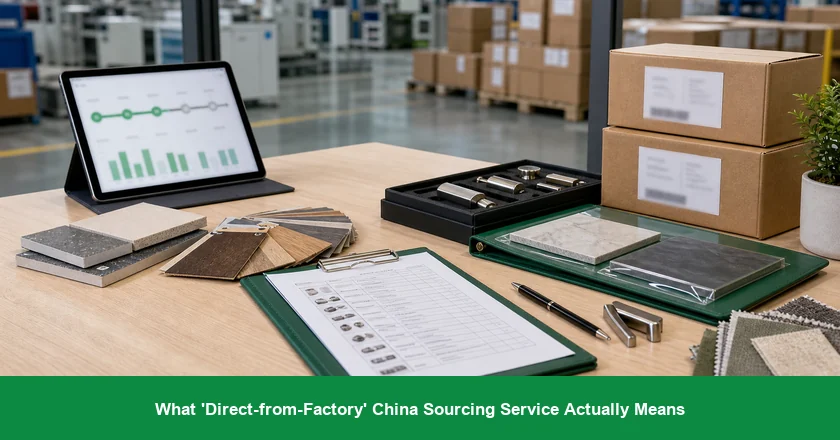
Given the operational complexities involved, many businesses actively partner with specialized entities to secure vital on-the-ground execution. Integrated providers like NewBuyingAgent address this directly by serving as a seamless extension of the buyer's team in China—leveraging an extensive ecosystem of 50,000 Cooperated factories and 20,000 product development and QC experts to take full, uncompromised ownership of the journey, from direct factory negotiations and product inspections to final customs logistics and bottom-line protection.
Related Knowledge Base
Sourcing Practices & Insights: Importing from China
Latest Sourcing Guides


Get Started Today
Let's Turn Your Sourcing Goals into RealityWeChat:+86 15157124615
WhatsApp:+86 15157124615
Address:Building 10 #39 Xiangyuan Road, Hangzhou, China
