

Clothing Manufacturers China
Definition
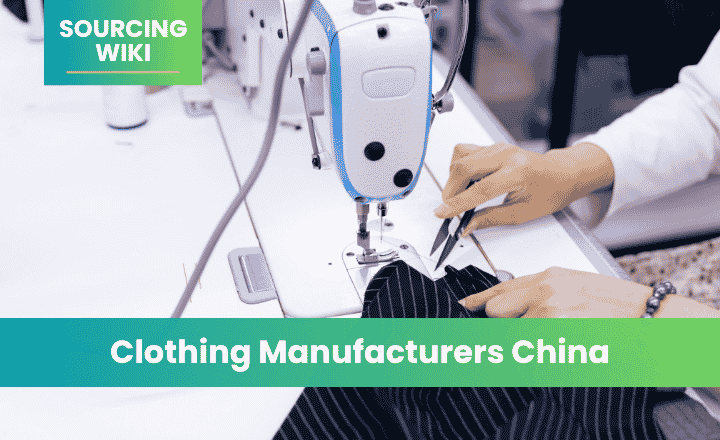
Clothing manufacturers in China are specialized production facilities that manufacture apparel and finished garments — ranging from basic raw textiles to high-fashion retail apparel — for both domestic consumer brands and international buying organizations. China maintains its position as one of the world's primary global garment producers, sustained by an exceptionally deep, vertically integrated textile supply chain that groups raw material spinning mills, advanced fabric dyeing operations, hardware accessory vendors, and final sewing assembly within close geographic proximity.
Manufacturing Service Models and Regional Clusters
To accommodate diverse brand requirements, Chinese garment manufacturers generally operate across three primary service delivery frameworks:
- Cut-Make-Trim (CMT): The factory strictly provides labor and assembly, utilizing the fabric, patterns, and trim components directly supplied by the buyer.
- OEM (Original Equipment Manufacturer): The factory manages full production according to the buyer’s proprietary tech packs and design specifications, delivering under the buyer's private brand.
- ODM (Original Design Manufacturer): The factory develops and presents its own in-house apparel designs, which buyers can selectively adapt, purchase, and rebrand.
Geographically, the major garment manufacturing clusters are heavily concentrated across coastal industrial corridors, notably within Guangdong, Zhejiang, and Fujian provinces, each specializing in distinct fabric techniques and garment classes.
Technical Selection Criteria and Quality Governance
Selecting a viable clothing manufacturer requires apparel brands to evaluate a critical matrix of specialized capabilities:
- Factory Specialization: Verifying the facility's dedicated machinery and experience in specific garment categories (such as knitwear, denim, complex activewear, or outerwear).
- Minimum Order Quantities (MOQs): Aligning factory fabric dye-lot thresholds and production run minimums with commercial forecasts.
- Sampling Capability: Assessing the speed and precision of the factory's sample room in producing accurate fit samples and pre-production prototypes.
- Compliance Standards: Verification of independent workplace audits and compliance with international labor and environmental standards (such as WRAP, BSCI, or OEKO-TEX).
Because apparel quality is highly sensitive to fabric grain deviation, stitching density, and strict sizing tolerance consistency, executing a comprehensive sample approval protocol and deploying independent, on-the-ground quality governance is essential.
To bridge this operational gap seamlessly, integration partners like NewBuyingAgent operate as a direct extension of the buyer's team in China—utilizing a massive network of 50,000 factories and 20,000 product development and QC experts to take full ownership of the garment sourcing journey, from initial tech-pack selection and cost negotiation to intensive fabric inspections and final shipping logistics.
Related Knowledge Base
Sourcing Practices & Insights: Clothing Manufacturers China
Latest Sourcing Guides



Get Started Today
Let's Turn Your Sourcing Goals into RealityWeChat:+86 15157124615
WhatsApp:+86 15157124615
Address:Building 10 #39 Xiangyuan Road, Hangzhou, China
