
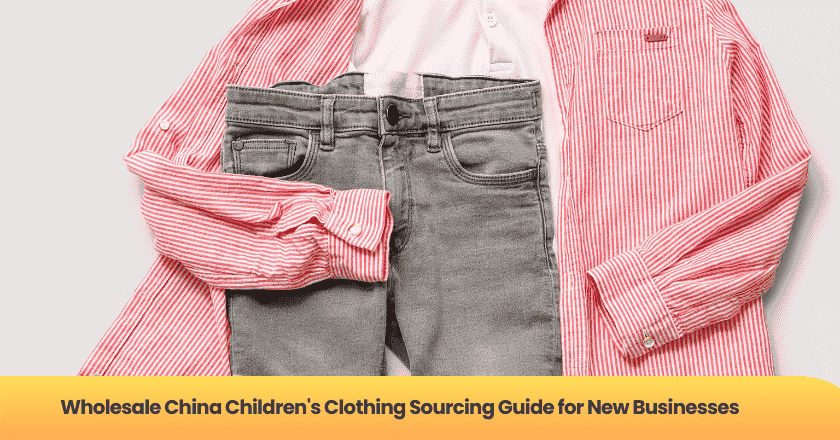
You can source wholesale China children's clothing by connecting with reputable suppliers who offer a wide range of styles and competitive prices. Entering the baby clothes business opens doors to high demand and diverse markets, but you must navigate quality checks and supplier reliability. With careful research and clear communication, you will find quality products and build strong partnerships. Prepare to conduct due diligence and stay proactive throughout your sourcing journey.
Key Takeaways
- Sourcing children's clothing from China offers a wide variety of styles and competitive prices, helping you increase profit margins.
- Conduct thorough market research to understand trends and customer preferences before selecting products for your baby clothes business.
- Build strong relationships with suppliers by communicating clearly and visiting trade shows to establish trust and reliability.
- Implement a robust quality control system, including inspections at various stages, to ensure the safety and durability of your products.
- Utilize sourcing agents like NewbuyingAgent to simplify the process, manage logistics, and ensure compliance with quality standards.
Why Choose Wholesale China Children's Clothing
Benefits for Baby Clothes Business
You gain several advantages when you source children's clothing from China. The country offers a vast selection of styles, fabrics, and designs. You can find trendy and classic options that fit your target market. Chinese suppliers often provide lower prices due to large-scale manufacturing. This cost advantage helps you increase your profit margins in the baby clothes business.
You also benefit from flexible order quantities. Many suppliers allow you to start with small minimum orders. This flexibility lets you test new products without a large upfront investment. You can quickly respond to changing trends in the baby clothes business. Fast production times and efficient logistics help you keep your inventory fresh and appealing.
Tip: Use the variety and affordability of Chinese suppliers to expand your product range and attract more customers to your baby clothes business.
Challenges and How to Overcome Them
You may face some challenges when sourcing wholesale baby products from China. Quality control can be a concern. Some suppliers may not meet your standards. Communication barriers and time zone differences can slow down your process. You might also worry about shipping delays or customs issues.
To overcome these challenges, you should:
- Research suppliers carefully and check their credentials.
- Request product samples before placing large orders.
- Set clear quality requirements and communicate them in writing.
- Use third-party inspection services to verify product quality.
- Stay updated on shipping regulations and customs policies.
A proactive approach helps you avoid common pitfalls. You can build strong relationships with reliable suppliers and ensure your baby clothes business runs smoothly.
Sourcing Process Overview
Market Research for Baby Clothes Business
You need to start your sourcing journey with thorough market research. Identify the latest trends in children's fashion and analyze what parents look for in baby clothes. Study your competitors and observe which styles, colors, and baby clothes materials sell best. Research seasonal demand and understand how different fabrics perform in various climates.
Create a checklist of essential features for your products. Focus on safety, comfort, and durability. Parents want baby clothes made from soft, hypoallergenic materials. You should also consider eco-friendly options, as sustainability is becoming more important in the baby clothes business.
Tip: Use online surveys and social media polls to gather feedback from potential customers. This helps you select the right baby clothes materials and designs for your target market.
Finding Reliable Suppliers in China
You must find suppliers who meet your standards for quality and reliability. Start by searching wholesale baby products on trusted online platforms and industry directories. Look for suppliers with positive reviews, verified business licenses, and a history of exporting to your region.
Request product samples to evaluate the quality of materials and craftsmanship. Check if the supplier can provide certifications for safety and compliance. Communicate your requirements clearly and ask about their experience with importing apparel from China. Reliable suppliers will respond promptly and provide detailed answers to your questions.
Use a table to compare potential suppliers:
| Supplier Name | Years in Business | Certifications | Sample Quality | Response Time |
|---|---|---|---|---|
| Supplier A | 10 | Yes | Excellent | Fast |
| Supplier B | 5 | Yes | Good | Moderate |
| Supplier C | 8 | No | Fair | Slow |
Choose suppliers who consistently deliver high-quality baby clothes materials and maintain transparent communication.
Using NewbuyingAgent for Sourcing
You can simplify your sourcing process by partnering with a professional sourcing solution. NewbuyingAgent offers a one-stop service for overseas SMEs and e-commerce sellers. You gain access to a network of 50,000 factories and 20,000 experts who specialize in product development and quality control.
NewbuyingAgent uses AI technology to identify trending products and recommend high-demand items for your baby clothes business. You benefit from cost savings of 8%–20% compared to traditional sourcing methods. The service manages every step, from product selection and cost negotiation to quality assurance and logistics.
You avoid the hassle of direct factory negotiations and complex logistics. Flexible payment terms help you manage cash flow, while expert support ensures you receive baby clothes made from safe and comfortable materials. This approach allows you to focus on growing your business and responding quickly to market changes.
Ensuring Quality Baby Clothes
Product Quality Standards and Certifications
You must prioritize safety and comfort when sourcing children's clothing. Parents expect you to deliver garments that meet strict international standards. Look for suppliers who follow recognized certifications such as OEKO-TEX Standard 100, which ensures textiles are free from harmful substances. You should also check for compliance with CPSIA (Consumer Product Safety Improvement Act) if you plan to sell in the United States. These certifications confirm that the clothing is safe for babies and children.
You need to verify that your suppliers use hypoallergenic and non-toxic materials. Inspect labels for fiber content and washing instructions. High-quality baby clothes often feature soft seams, secure fastenings, and durable stitching. You should request documentation for all certifications and test reports. This step protects your business and builds trust with your customers.
Tip: Always keep a checklist of required certifications for each market you serve. This habit helps you avoid costly delays and ensures your products meet all legal requirements.
Quality Control with Third-party Inspection Services
You cannot afford to overlook quality control in the children's clothing business. Every batch of products must meet your standards before shipment. You should implement a multi-step inspection process. Start with pre-production samples to confirm materials and construction. Continue with in-line inspections during manufacturing to catch issues early. Finish with a final inspection before shipping to ensure consistency.
A strong quality control system relies on experienced inspectors and clear guidelines. You should provide your suppliers with detailed specifications and visual references. Use checklists to evaluate stitching, color accuracy, sizing, and packaging. If you discover defects, you must address them immediately and request corrective action.
You can also benefit from working with third-party inspection services. These experts offer unbiased assessments and help you maintain high standards. Some sourcing partners even provide full compensation for quality issues, which reduces your risk and gives you peace of mind.
Note: Consistent quality control not only protects your reputation but also increases customer loyalty. Parents want to buy quality baby clothes that last and keep their children safe.
| Inspection Stage | What to Check | Why It Matters |
|---|---|---|
| Pre-Production | Materials, Certifications | Prevents unsafe components |
| In-Line Production | Workmanship, Consistency | Catches problems early |
| Final Inspection | Sizing, Packaging, Labeling | Ensures ready-to-sell quality |
You set your business apart by delivering quality baby clothes every time. This commitment to quality assurance helps you grow your brand and succeed in a competitive market.
Shipping and Import Essentials
Shipping Methods and Logistics
You need to choose the right shipping method for your wholesale baby products. Air freight offers speed, making it ideal for urgent orders or high-value items. Sea freight provides a cost-effective solution for large shipments, helping you manage your budget. Express courier services deliver small quantities quickly, but you pay higher rates. You should compare transit times, costs, and reliability before making a decision.
Consider the packaging of your materials. Proper packaging protects your products during transit and reduces the risk of damage. You must coordinate with your supplier to confirm packaging standards. Tracking options give you peace of mind and help you monitor your shipment’s progress. You should plan your inventory based on estimated delivery dates to avoid stockouts.
Tip: Always request a detailed shipping quote. This helps you understand all fees and keeps your budget on track.
| Shipping Method | Speed | Cost | Best For |
|---|---|---|---|
| Air Freight | Fast | High | Urgent, valuable goods |
| Sea Freight | Moderate | Low | Bulk orders |
| Express Courier | Fastest | Highest | Samples, small orders |
Customs and Import Regulations
You must understand customs and import regulations before bringing wholesale baby products into your country. Each region has specific rules for children’s clothing, including labeling requirements and safety standards. You should check if your materials meet these standards to avoid delays.
Prepare all necessary documents, such as invoices, packing lists, and certificates of origin. Customs authorities may inspect your shipment, so accurate paperwork helps you clear goods smoothly. You need to factor customs duties and taxes into your budget. These costs vary by country and product type.
Note: Consult with a licensed customs broker if you feel unsure about the process. This step protects your budget and ensures compliance with local laws.
You stay ahead by learning about import restrictions and planning for possible delays. Careful preparation keeps your budget healthy and your business running smoothly.
Tips for New Buyers
Building Supplier Relationships
You need strong supplier relationships to succeed in the baby clothes business. Start by communicating your expectations clearly. Share your product requirements, quality standards, and delivery timelines. Good communication builds trust and helps you avoid misunderstandings.
Visit trade shows or use trusted supplier channels to meet potential partners. Ask questions about their experience and production capabilities. Request references from other buyers. This step gives you insight into their reliability.
Show respect for your suppliers’ expertise. Listen to their suggestions and stay open to feedback. When you pay invoices on time and provide constructive feedback, you build long-term partnerships. Strong relationships lead to better prices and priority service, which supports budget-friendly sourcing.
Tip: Schedule regular check-ins with your suppliers. These meetings help you address issues early and keep your orders on track.
Avoiding Common Pitfalls
You can avoid many problems by following a few simple tips. Always request product samples before placing large orders. Samples let you check quality and ensure the items match your needs.
Use a checklist to track order details, shipping dates, and payment terms. This habit keeps your sourcing process organized. Choose budget-friendly sourcing options by comparing quotes from several suppliers.
Stay alert for scams. Work only with trusted supplier channels and verify business licenses. Never send full payment upfront. Instead, use secure payment methods and negotiate partial payments.
Tip: Keep records of all agreements and conversations. Written documentation protects your interests if disputes arise.
| Tip Number | Sourcing Tip |
|---|---|
| 1 | Communicate expectations clearly |
| 2 | Request and review product samples |
| 3 | Use secure payment methods |
| 4 | Track orders with a checklist |
| 5 | Work with trusted supplier channels |
| 6 | Compare quotes for budget-friendly sourcing |
You set yourself up for success by following these tips. Careful planning and attention to detail help you grow your business with confidence.
Key Sourcing Markets and Platforms
Major Wholesale Markets in China
You can find some of the world’s largest wholesale markets in China. These markets offer a wide selection of children’s clothing, toddler clothes, and accessories. Guangzhou Baima Garment Market stands out for its variety and quality. You will see many suppliers specializing in baby and toddler clothes. Shenzhen’s Dongmen Market and Hangzhou’s Sijiqing Garment Market also attract buyers from the global baby product market. You can visit these markets to inspect materials and negotiate prices directly. Many successful baby clothing entrepreneurs start their sourcing journey here.
Tip: Bring a checklist of required materials and product specifications when visiting wholesale markets. This helps you compare options and make informed decisions.
Online Platforms for Wholesale China Children's Clothing
You can access thousands of suppliers by using online platforms. Alibaba, Made-in-China, and 1688.com lead the market for importing apparel from China. These platforms let you filter suppliers by product type, minimum order quantity, and certifications. You can request samples to check materials and quality before placing large orders. Many successful baby clothing entrepreneurs use these platforms to find reliable partners and stay updated on new trends. Online sourcing saves you time and helps you reach suppliers who may not have a physical presence in major markets.
| Platform | Key Features | Best For |
|---|---|---|
| Alibaba | Global reach, trade assurance | Large-scale sourcing |
| 1688.com | Domestic prices, variety | Budget-friendly orders |
| Made-in-China | Verified suppliers | Quality assurance |
The Role of Sourcing Agents Like NewbuyingAgent
Sourcing agents play a vital role when you start importing apparel from China. They help you bridge language gaps, verify supplier credentials, and manage logistics. You can rely on sourcing agents to inspect factories and ensure your products meet safety standards. Many agents offer end-to-end support, from negotiating prices to handling shipping. This service reduces your risk and streamlines the process. You gain peace of mind knowing your toddler clothes and other products will arrive on time and meet your quality expectations. Sourcing agents have become essential partners for businesses entering the global baby product market.
Note: Sourcing agents can help you avoid common pitfalls and ensure your orders use safe, high-quality materials.
You can succeed in sourcing wholesale China children's clothing by following a clear process. Start with research and supplier evaluation. Focus on quality and compliance at every stage. Build strong relationships to ensure reliable wholesale China children's clothing supply. Create a sourcing checklist for wholesale China children's clothing to stay organized. Reach out to industry experts for guidance on wholesale China children's clothing. Preparation and trusted partnerships drive growth in wholesale China children's clothing.
FAQ
What documents do you need to import children's clothing from China?
You need a commercial invoice, packing list, bill of lading, and certificates of origin. Customs may also require product safety certifications. Always check your country’s import regulations before shipping.
How can you verify the quality of baby clothes before buying?
Request product samples and review certifications. Use third-party inspection services to check materials, stitching, and safety features. Clear communication with suppliers helps you set quality expectations.
What is the typical minimum order quantity for wholesale children’s clothing?
Most suppliers set a minimum order quantity between 100 and 500 pieces per style. Some may offer lower quantities for new buyers or sample orders. Always confirm this before placing an order.
How long does shipping from China usually take?
Shipping times depend on the method. Air freight takes 5–10 days. Sea freight can take 20–40 days. Express couriers deliver in 3–7 days. Plan your inventory based on these timelines.
What should you do if you receive defective products?
Contact your supplier immediately. Provide photos and detailed descriptions of the defects. Request a replacement, refund, or compensation. Keep all communication records to support your claim.
NewBuyingAgent
Related Resources
Get Started Today
Let's Turn Your Sourcing Goals into RealityWeChat:+86 15157124615
WhatsApp:+86 15157124615
Address:Building 10 #39 Xiangyuan Road, Hangzhou, China
