

Shipping from China to US
Definition and Scope
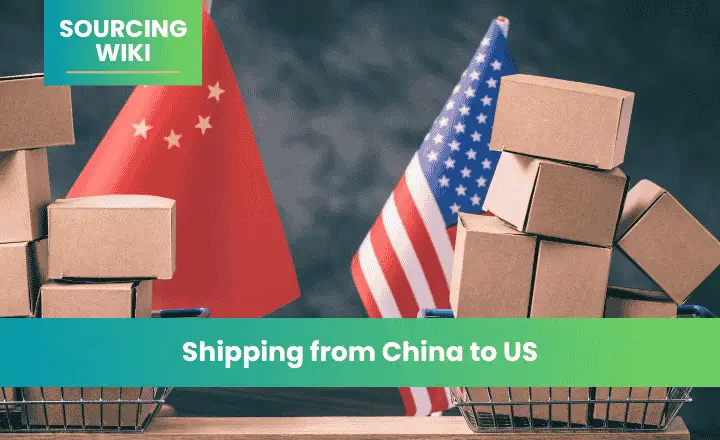
Shipping from China to the US refers to the transport of goods from Chinese suppliers to buyers in the United States, one of the highest-volume trade lanes in the world. The lane is served by every major mode — ocean full-container-load (FCL) and less-than-container-load (LCL), air freight, and express courier — and by a dense infrastructure of ports, forwarders, and customs brokers at both ends. Its scale makes capacity and pricing comparatively transparent, but it also makes the lane sensitive to congestion and policy, so that cost and transit time can shift materially within a single season. For the importer, the central disciplines are choosing the right mode for the cargo and managing the customs layer that every shipment must pass.
Where this shows up in practice: a small e-commerce seller who priced their product around duty-free de minimis treatment for low-value parcels built their margin on a rule that no longer applies to China-origin goods — every parcel now requires a formal or informal customs entry with duty calculated on declared value. Getting a shipment from A to B is only half the job on this lane; pricing it correctly requires knowing which customs rules currently apply, not which ones used to.
Ocean, Air, and Express Options
Ocean freight carries the overwhelming share of volume. FCL service suits shipments that justify a dedicated container and offers the lowest cost per unit; LCL allows smaller consignments to share container space at the price of additional handling and somewhat longer door-to-door times. Typical ocean transit runs about two to three weeks to West Coast ports such as Los Angeles and Long Beach, and roughly four to five weeks to East Coast and Gulf ports, before rail or truck delivery inland. Air freight reduces transit to several days at several times the cost per kilogram, suiting urgent, high-value, or lightweight goods, while express couriers integrate transport and clearance for small parcels. Choosing among them is a calculation of inventory cost against freight cost, not merely a price comparison.
Customs, Duties, and Documentation
Every shipment entering the United States passes through customs, and this layer shapes the lane as much as transport does. Entries are filed with US Customs and Border Protection, supported by a commercial invoice, packing list, and bill of lading, with an Importer Security Filing ("10+2") required before ocean loading.[1] Goods are classified under the Harmonized Tariff Schedule, which determines duty rates, and many Chinese-origin goods additionally attract Section 301 tariffs imposed on broad product categories — a material cost that importers must build into landed-cost calculations.[2]
Thede minimis exemption, which historically let shipments valued at $800 or less enter duty-free with minimal paperwork, no longer applies to this lane: duty-free treatment for China- and Hong Kong-origin low-value shipments ended on May 2, 2025, the exemption was suspended globally on August 29, 2025, and CBP has since made that suspension indefinite for all non-postal modes of entry.[3][4] Every parcel — not just bulk shipments — now generally requires a formal or informal customs entry with duty calculated on declared value, so sellers whose pricing assumed duty-free parcel treatment should recalculate landed cost under current rules rather than the older $800 exemption. Cargo insurance, separate from the carrier's limited liability, completes the standard protective package.
Planning for Cost and Reliability
Because the lane is vast but cyclical, reliability planning distinguishes consistent importers from those perpetually caught out. Space and rates tighten predictably before Chinese New Year and again in the autumn peak; congestion, blank sailings, and rolled bookings add less predictable variation, and quoted transit times are estimates rather than guarantees.
Experienced importers book early in peak periods, hold buffer inventory ahead of selling seasons, and model landed cost under current tariff and de minimis treatment rather than relying on the supplier's shipping quote or outdated assumptions. They also keep their documentation accurate to the line, since misclassification and undervaluation invite holds, penalties, and delays that cost more than any saving.
Managed this way, the lane is demanding but dependable; managed casually, it reliably produces expensive surprises. Importers should treat their customs broker as part of the shipping decision rather than an afterthought, since advance review of classification and valuation — before the goods sail — prevents the holds and re-entries that turn a well-planned shipment into an expensive lesson at the destination port.
Tariff, duty, and de minimis rules on this lane have changed significantly and repeatedly in recent years and remain subject to further change; confirm current requirements with CBP or a licensed customs broker before finalizing landed-cost calculations.
FAQ
Is de minimis really gone for shipments from China, or just reduced?
It's gone, not reduced — duty-free de minimis treatment for China- and Hong Kong-origin shipments ended in 2025, and CBP has since made the broader suspension indefinite. Every shipment on this lane now generally requires a formal or informal entry with duty calculated on its declared value.[3][4]
What is an Importer Security Filing and do I need one?
The ISF, sometimes called the "10+2" rule, requires importers or their agents to submit specific shipment data to CBP before an ocean shipment is loaded at the foreign port. It applies to ocean freight, not air or express shipments, and missing or late filings can result in penalties.[1]
How is this entry different from your general China shipping guide?
This entry focuses specifically on the China-to-US lane, including US customs mechanics like ISF and de minimis. See our China Shipping entry for shipping modes and documentation that apply regardless of destination, and our Import from China to USA entry for the fuller US import process, including supplier vetting and product-specific regulatory agencies.
Do de minimis and tariff changes affect all product categories equally?
No — duty rates vary by HTS classification and Section 301 category, so the practical impact depends on your specific product code. Confirm current rates for your HTS code rather than assuming a flat rate applies across categories.[2]
Sources & References
[1] U.S. Customs and Border Protection —Basic Importing and Exporting. Accessed August 14, 2026.
[2] United States Trade Representative —China Section 301-Tariff Actions and Exclusion Process. Accessed August 14, 2026.
[3] U.S. Customs and Border Protection —CBP Collects $1 Billion Since End of De Minimis Loophole. Accessed August 14, 2026.
[4] Federal Register —Indefinite Suspension of the De Minimis Exemption for Merchandise Arriving Through All Modes Other Than the International Postal Network. Accessed August 14, 2026.
Related Knowledge Base
Sourcing Practices & Insights: Shipping from China to US
Latest Sourcing Guides


Comece hoje
Vamos transformar seus objetivos de compras em realidadeWeChat:+86 15157124615
WhatsApp:+86 15157124615
Endereço: Edifício 10 #39 Xiangyuan Road, Hangzhou, China
