

Supplier Collaboration
Concept Definition
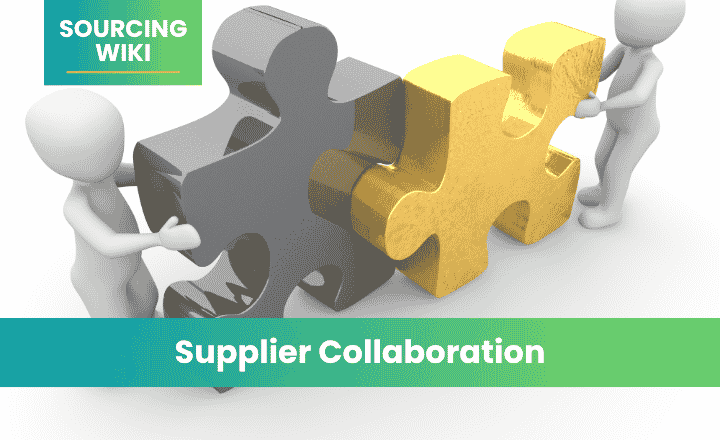
Supplier collaboration is the practice of working jointly with suppliers toward shared objectives that create value beyond what either party could achieve through independent action or arm's-length transactions. It represents a fundamental shift from viewing suppliers as external entities to be managed and controlled toward treating them as extensions of the organization's own capabilities—partners whose knowledge, resources, and creativity can be combined with the buying organization's strengths to produce superior business outcomes.
The economic logic of supplier collaboration rests on the observation that significant value often resides at the interface between organizations rather than within their individual boundaries. When buyer and supplier share information, align processes, pool expertise, and coordinate activities, they can eliminate redundancies, reduce waste, accelerate timelines, improve quality, and create innovations that neither organization's internal resources alone could produce. The transaction-cost economics perspective suggests that as trust and coordination mechanisms mature in a relationship, the costs of collaborating decline while the benefits increase—creating a virtuous cycle that favors deeper engagement over time.
Collaborative Planning and the Bullwhip Effect
Collaborative planning represents one of the most widespread and impactful forms of supplier collaboration. Joint demand forecasting, capacity planning, and production scheduling enable both organizations to optimize their operations based on shared visibility into future requirements.
Collaborative planning reduces the bullwhip effect—the amplification of demand variability as it propagates upstream through the supply chain—by replacing sequential, information-limited planning with synchronized, transparent coordination. The results typically include reduced inventory levels, improved capacity utilization, shorter lead times, and fewer expediting costs.
Co-Development, Innovation, and Process Integration
Co-development and co-innovation involve suppliers as active participants in the buying organization's product development and improvement processes. Rather than presenting suppliers with completed designs to manufacture, collaborative development engages suppliers early in the design process—leveraging their manufacturing expertise, material knowledge, and process capabilities to inform design decisions. This collaboration often yields products that are easier to manufacture, lower in cost, higher in quality, and faster to market than designs developed without supplier input.
Process integration extends collaboration beyond planning and development into operational execution. Vendor-managed inventory (VMI) programs delegate inventory management responsibility to suppliers who have better visibility into their own production and logistics capabilities. Electronic data integration connects organizational information systems to enable real-time order processing, inventory visibility, and performance monitoring. Collaborative quality management programs establish joint approaches to defect prevention, root cause analysis, and continuous improvement that span organizational boundaries.
Risk Management and Enabling Conditions
Risk management collaboration involves sharing information about supply chain threats, jointly developing contingency plans, and coordinating response activities when disruptions occur. Suppliers who understand the buying organization's risk priorities and have participated in contingency planning respond more effectively during crises than those managing disruptions in isolation.
Successful supplier collaboration requires enabling conditions that many organizations must deliberately cultivate. Trust—built through consistent behavior, transparent communication, and fair dealing—is the essential prerequisite. Without trust, neither party will share the sensitive information or accept the mutual vulnerability that collaboration demands. Aligned incentives ensure that both parties benefit from collaborative activities—structures such as gain-sharing agreements, joint scorecards, and mutual investment commitments create alignment that sustains collaborative effort. Organizational support—including executive sponsorship, dedicated resources, compatible information systems, and collaborative skills development—provides the infrastructure that enables collaboration to function at scale.
Boundaries and Strategic Alignment
The boundaries of appropriate collaboration vary by supplier relationship. Strategic suppliers who provide critical or differentiated inputs warrant deep, multi-dimensional collaboration. Preferred suppliers may benefit from selective collaboration in specific areas such as demand planning or quality improvement. Transactional suppliers typically do not justify the investment required for meaningful collaboration, and arm's-length management remains appropriate.
Organizations that master supplier collaboration build supply chain capabilities that are difficult for competitors to replicate—creating sustainable competitive advantages rooted in the collective intelligence, aligned effort, and shared commitment of their supply partnerships.
Related Knowledge Base
Sourcing Practices & Insights: Supplier Collaboration
Latest Sourcing Guides



Get Started Today
Let's Turn Your Sourcing Goals into RealityWeChat:+86 15157124615
WhatsApp:+86 15157124615
Address:Building 10 #39 Xiangyuan Road, Hangzhou, China
