

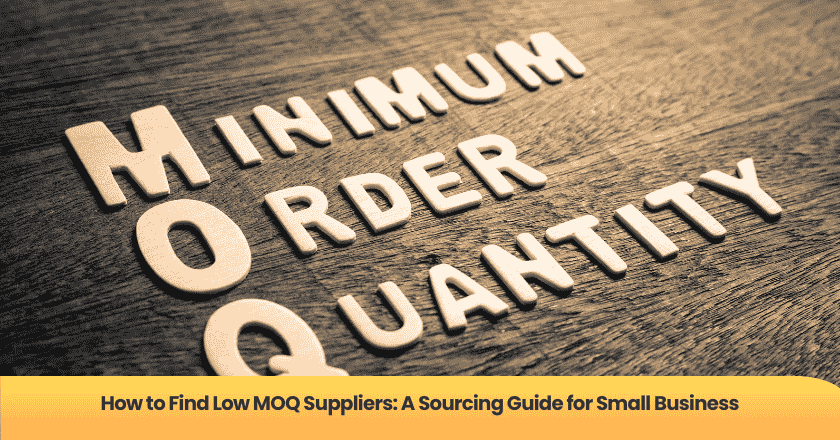
Finding the right low MOQ supplier is a critical step for businesses looking to scale without the burden of excess inventory. By searching on trusted B2B platforms, collaborating with experienced sourcing agents, and joining active online communities, you can navigate the complexities of global trade. Partnering with low MOQ suppliers supports small businesses and startups by significantly lowering entry barriers. This guide provides practical tips to help you negotiate terms, explore alternatives when manufacturers set high minimums, and compare options to secure flexible purchasing solutions.
Key Takeaways
- Understand MOQ: Minimum Order Quantity (MOQ) represents the smallest number of units a supplier is willing to sell. Mastery of this concept allows you to focus on partners that align with your financial capacity.
- Utilize B2B Platforms: Leverage reputable B2B websites to filter candidates by their MOQ requirements. Always cross-reference reviews to find the most competitive deals.
- Leverage Sourcing Agents: Professional sourcing agents can bridge the gap between you and factories that accept smaller orders, handling both negotiations and logistics on your behalf.
- Engage in Online Communities: Active social media groups and niche forums are excellent resources for first-hand supplier recommendations and shared buyer experiences.
- Negotiate Strategically: Build lasting trust by being transparent about your needs. Ask targeted questions about quantity flexibility and remain open to mutually beneficial compromises.
What Is MOQ and Why It Matters
MOQ Definition
In the world of sourcing, the term Minimum Order Quantity (MOQ) is frequently encountered. It refers to the lowest number of units a supplier will accept for a single order. Manufacturers set these requirements to ensure that their production costs—such as machinery setup and labor—remain manageable and profitable. For instance, a factory producing custom mugs might mandate an MOQ of 100 pieces to cover the initial design and kiln costs.
Expert Tip: Always verify a supplier's MOQ before initiating deep contact. This practice saves time and ensures you are only evaluating options that fit your specific budget.
Impact on Small Businesses
MOQ requirements have a profound impact on the scalability of small businesses. High minimums often limit a brand's ability to test new product lines, as limited capital and storage space make large inventory commitments risky. Conversely, low MOQ options empower you to experiment with new inventory, reduce financial exposure, and pivot quickly according to market trends.
Comparison Table: High vs. Low MOQ Scenarios
| Scenario | High MOQ | Low MOQ |
|---|---|---|
| Inventory Investment | High | Low |
| Flexibility | Limited | Greater |
| Risk Exposure | Increased | Reduced |
Common Challenges in Sourcing
Many buyers face significant hurdles when navigating quantity requirements:
- Suppliers who are unwilling to negotiate below their standard MOQ.
- High minimums that place a severe strain on business cash flow.
- The significant time investment required to find reliable partners with reasonable terms.
To overcome these obstacles, it is essential to research multiple candidates, participate in industry communities, and always request samples before committing to a full production run. Persistence and flexibility are key to successful sourcing.
Effective Strategies to Find Low MOQ Suppliers
1. Utilizing B2B Platforms
The search for a flexible supplier often begins on established B2B platforms. These websites offer advanced filters that allow you to sort results by minimum order quantity, product category, and geographic location. Using these filters helps narrow down partners who specifically offer flexible terms for smaller batches. It is vital to read supplier ratings and verified reviews to filter out unreliable partners. Always send direct messages to clarify their current MOQ and request samples before making a final decision.
Tip: Compare at least three to five suppliers on each platform to find the optimal balance between unit price, build quality, and MOQ.
2. Sourcing with NewbuyingAgent
Hiring a professional agent, such as NewbuyingAgent, is a highly effective way to find low MOQ manufacturers. Sourcing agents often have deep networks and can connect you with factories that may not advertise small-batch availability online. They manage the heavy lifting—negotiations, quality control, and logistics—which minimizes the risk of miscommunication. When working with an agent, be sure to inquire about their specific experience with low-volume orders.
Note: Discuss all service fees upfront to ensure the partnership stays within your project budget.
3. Social Media & Online Communities
Digital forums and social groups are goldmines for sourcing insights. Platforms like Facebook, LinkedIn, and Reddit host active communities where global buyers exchange supplier leads. By posting specific questions about MOQ or participating in "group buys," you can often access wholesale pricing for smaller quantities.
Connect with fellow entrepreneurs to share "blacklists" or "recommendations."
Participate in collective orders to meet a supplier's factory minimum.
Stay informed about new, smaller-scale manufacturers entering the market.
4. Trade Shows & Local Events
Attending industry trade shows provides a unique opportunity to meet manufacturers face-to-face. These interactions allow you to discuss MOQ flexibility in real-time. In-person meetings often build trust faster than emails, frequently leading to better deals.
Event Types and Action Steps
| Event Type | Benefit | Action Step |
|---|---|---|
| Trade Show | Meet high volumes of suppliers at once | Prepare a "sourcing kit" with questions in advance |
| Local Fair | Discover regional or niche manufacturers | Bring physical samples of what you need |
Consistent follow-up after an event is crucial. Keep detailed notes on every contact to make informed comparisons during the final selection process.
Mastering Negotiations with Low MOQ Suppliers
Approaching Suppliers
Successful negotiation starts with building professional trust. When introducing your brand, explain your long-term business goals and target market. By demonstrating that you are a serious buyer looking for a long-term partnership rather than a one-time order, suppliers are more likely to offer flexibility. Keep requests realistic and respect the manufacturer's production constraints.
Essential Sample Questions
Use these targeted questions to gauge a supplier's willingness to cooperate on smaller orders:
- "What is your standard MOQ for this specific product?"
- "Would you be open to a lower MOQ for our initial trial order?"
- "How does the unit price change for smaller batch sizes?"
- "Can we secure samples before committing to the bulk order?"
- "What are the payment terms for low-volume production?"
- "What is the estimated lead time for a small batch?"
Pro-Tips for Success
- Emphasize Growth: Highlight your potential for future large-scale orders.
- Price Flexibility: Offer to pay a slightly higher per-unit price to offset the factory's setup costs.
- Inquire About Excess Stock: Ask if they have "ready-to-ship" inventory or discontinued items that don't carry MOQ hurdles.
- Maintain Professionalism: Even if a deal isn't reached, stay polite to keep the door open for the future.
- Be Creative: Ask if they can combine your small order with another client's production run of the same material.
Alternatives If the MOQ Is Too High
Switching Suppliers or Models
If a supplier remains rigid, do not hesitate to look elsewhere. Smaller factories or trading companies are often more organized to handle low-volume orders than massive industrial plants. Maintain a shortlist of backup suppliers to ensure you always have negotiating leverage and avoid supply chain delays.
Product Modifications
Sometimes, minor adjustments can trigger lower MOQs. Ask the supplier if using standard materials, "off-the-shelf" colors, or stock packaging can reduce the minimum requirement. Custom designs usually require higher MOQs, whereas standard products are much more accessible.
| Option | Impact on MOQ | Production Speed |
|---|---|---|
| Custom Design | High | Slower |
| Standard Product | Low | Faster |
| Simple Modification | Medium | Moderate |
Group Buying
Pooling your order with other buyers through industry networks is a powerful way to meet a supplier's threshold. This method allows you to access professional-grade manufacturing and better pricing that would be impossible to reach solo. Just ensure all payment responsibilities and shipping logistics are clearly defined among the group members beforehand.
Avoiding Pitfalls with Low MOQ Partners
Supplier Verification
Due diligence is non-negotiable. Always verify business licenses, certifications, and physical addresses. Use video calls to tour the facility and confirm you are dealing with a legitimate entity rather than a scammer. Trustworthy partners will be transparent and responsive to your verification requests.
Quality Control (QC)
Low MOQ orders sometimes receive less attention from factory QC teams. To mitigate this:
1. Request Samples: Never skip the pre-production sample.
2. Define Standards: Share a clear checklist of quality expectations.
3. Production Monitoring: Request photos or video updates during the manufacturing process.
4. Third-Party Inspections: Consider hiring an independent inspector to verify the goods before they ship.
Frequently Asked Questions (FAQ)
What does MOQ mean in sourcing?
MOQ stands for Minimum Order Quantity. It represents the smallest order size a supplier will accept to ensure their production costs are covered and the run is profitable.
How can I convince a supplier to lower their MOQ?
The best approach is to demonstrate your long-term value as a partner. You can also offer to pay a higher unit price for a "trial run" or ask to use standard materials they already have in stock.
Are low MOQ suppliers more expensive?
Generally, yes. The per-unit cost is often higher for small batches because the supplier's fixed setup costs are spread over fewer items. However, this is usually offset by the reduced risk of overstocking.
What risks are associated with low MOQ suppliers?
Potential risks include inconsistent quality and limited customization options. Rigorous supplier verification and sample testing are essential to mitigate these issues.
Can I order samples before placing a full order?
Absolutely. In fact, most professional buyers insist on it. Samples allow you to verify the quality and ensure the supplier can meet your specific requirements before any significant capital is committed.
NewBuyingAgent
Related Resources
Get Started Today
Let's Turn Your Sourcing Goals into RealityWeChat:+86 15157124615
WhatsApp:+86 15157124615
Address:Building 10 #39 Xiangyuan Road, Hangzhou, China
