SRM Software
Definition and Functional Scope
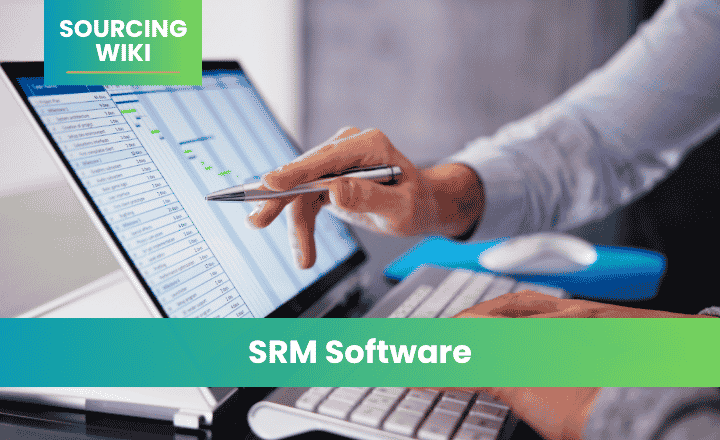
SRM software—supplier relationship management software—is the technology infrastructure that enables organizations to manage supplier interactions systematically, track performance quantitatively, monitor risks proactively, and drive continuous improvement across their supply base. The abbreviation "SRM" has become standard industry terminology for platforms that bring data-driven discipline to the traditionally relationship-dependent practice of supplier management.
The functional scope of SRM software has expanded significantly as organizations recognize that effective supplier management requires integrated capabilities rather than disconnected point solutions. Modern SRM platforms consolidate supplier information management, performance measurement, risk monitoring, development planning, collaboration facilitation, and analytics into unified systems that provide a comprehensive view of each supplier relationship and the supply base as a whole.
Core Pillars: Information and Performance Measurement
Supplier information management forms the data foundation of SRM software. Centralized supplier profiles aggregate company details, capability descriptions, certification records, financial data, compliance documentation, contact information, and relationship history into structured records that serve as the single source of truth for supplier intelligence. Self-service supplier portals enable vendors to maintain and update their own information, improving data currency while reducing the administrative burden on procurement teams.
Performance measurement capabilities automate the collection, aggregation, and analysis of supplier performance data across defined metrics:
- Quality Performance: Measured through defect rates, inspection results, and corrective action responsiveness.
- Delivery Performance: Tracked through on-time delivery rates, lead time adherence, and order accuracy.
- Commercial Performance: Assessed through price competitiveness, invoice accuracy, and contract compliance.
These metrics are integrated into balanced scorecards that provide holistic supplier assessments, drawing automated data feeds from enterprise systems to eliminate manual data collection.
Risk Intelligence and Development Management
Risk intelligence capabilities distinguish contemporary SRM platforms from earlier-generation supplier management tools. Financial risk monitoring integrates credit agency data and financial statement analysis to assess economic stability. Geopolitical risk monitoring tracks political developments and regulatory shifts in supplier operating regions, while compliance monitoring verifies current certification status. Advanced platforms also offer multi-tier supply chain risk visibility, extending monitoring beyond direct suppliers to assess risks deeper in the supply network.
Development and improvement management features enable organizations to plan, execute, and track supplier capability building initiatives. Development roadmaps document current capability assessments, target states, improvement actions, resource requirements, and milestones. Integration with performance measurement ensures that these development investments translate into measurable performance improvements.
Analytics, Market Landscape, and Implementation
Analytics and reporting capabilities transform raw supplier data into strategic insights. Executive dashboards provide portfolio-level views of supply base performance, risk distribution, and relationship health. Predictive analytics—increasingly powered by machine learning—forecast potential supplier issues before they manifest in performance degradation, while benchmarking tools compare practices against industry standards.
The SRM software market includes both specialized SRM platforms and broader procurement suites that incorporate SRM functionality alongside sourcing, contract management, and procure-to-pay capabilities. Specialized platforms typically offer deeper, niche-specific functionality, while suite solutions provide the advantage of integrated data flows across the entire procurement lifecycle.
Implementation success factors extend beyond technical deployment. Data migration and quality assurance ensure that the platform launches with accurate information. Process standardization defines consistent supplier management practices that the platform will support. Finally, user adoption programs and governance frameworks ensure that procurement professionals, cross-functional stakeholders, and suppliers engage effectively with the platform while maintaining strict data stewardship.
Related Knowledge Base
Sourcing Practices & Insights: SRM Software
Latest Sourcing Guides



Get Started Today
Let's Turn Your Sourcing Goals into RealityWeChat:+86 15157124615
WhatsApp:+86 15157124615
Address:Building 10 #39 Xiangyuan Road, Hangzhou, China