

Mold Making (Tooling)
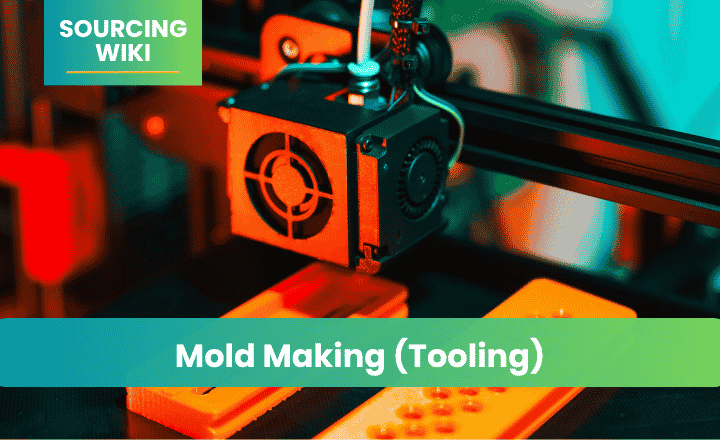
Concept Definition
In manufacturing, Mold Making (often referred to as Tooling) is the process of designing and engineering a custom-shaped cavity—usually made of high-strength steel or aluminum—that is used to mass-produce parts. This is most common in injection molding for plastics, die-casting for metals, and compression molding for silicone.
If your product has a unique shape, specific dimensions, or a proprietary design that cannot be found "off-the-shelf," you will likely need to invest in a custom mold.
Why is Mold Making Necessary?
- Unique Design: If your product requires a specific aesthetic or functional form that stock components don't offer, a mold is the only way to achieve it.
- Scalability: While 3D printing is great for prototypes, it is slow and expensive for thousands of units. A mold allows you to produce thousands of identical parts with high speed and low per-unit costs.
- Material Integrity: Molds allow for the use of production-grade materials (like ABS, Polycarbonate, or Aluminum alloys) that provide the exact strength, heat resistance, and finish required for the final market.
- Consistency: A precision-engineered mold ensures that the first unit and the 100,000th unit are identical within a fraction of a millimeter.
Understanding the Costs Involved
Mold making is typically the largest upfront investment in a hardware project. The cost is determined by several technical factors:
1. Material of the Mold
- Aluminum Molds: Cheaper and faster to make, but they wear out quickly (suitable for 5,000 – 10,000 units).
- Hardened Steel Molds: Expensive but highly durable. They can produce hundreds of thousands of parts without losing precision.
2. Complexity of the Design
- Simple Molds: A basic "open and shut" mold for a flat part is relatively inexpensive.
- Complex Molds: Parts with holes on the sides, internal threads, or hollow sections require "Sliders" or "Lifters"—moving parts within the mold that significantly increase the price.
3. Number of Cavities
- Single-Cavity: Produces one part per cycle. Lower mold cost, higher per-unit cost.
- Multi-Cavity: Produces 2, 4, or 8 parts per cycle. Higher upfront mold cost, but much lower per-unit cost for mass production.
4. Surface Finish
- High-gloss, "mirror" finishes or specific textures (like a leather grain) require specialized machining or chemical etching, which adds to the cost.
The Process: From Design to Production
- DFM (Design for Manufacturing): The factory reviews your 3D file to ensure it can be molded without defects like "sink marks" or "warping."
- Mold Fabrication: The steel is CNC-machined and EDM-processed (Electrical Discharge Machining) to create the cavity. This usually takes 30 to 50 days.
- T1 Samples: The first "test shots" are sent to the buyer to verify dimensions and functionality.
- Modification & Approval: Minor adjustments are made to the mold until the product is perfect. Once approved, mass production begins.
Key Considerations for Buyers
- Mold Ownership: Always ensure your contract states that you own the mold. If you decide to change factories, you should be able to move the physical tool to a new supplier.
- Mold Life Guarantee: Ask the supplier how many "shots" (cycles) the mold is guaranteed for. A standard steel mold should last at least 100,000 to 300,000 shots.
- Storage & Maintenance: Factories usually store and maintain the mold for you, but it is important to confirm they have proper rust prevention and climate-controlled storage.
Related Knowledge Base
Sourcing Practices & Insights: Mold Making (Tooling)
NewBuyingAgent
Latest Sourcing Guides


Get Started Today
Let's Turn Your Sourcing Goals into RealityWeChat:+86 15157124615
WhatsApp:+86 15157124615
Address:Building 10 #39 Xiangyuan Road, Hangzhou, China
