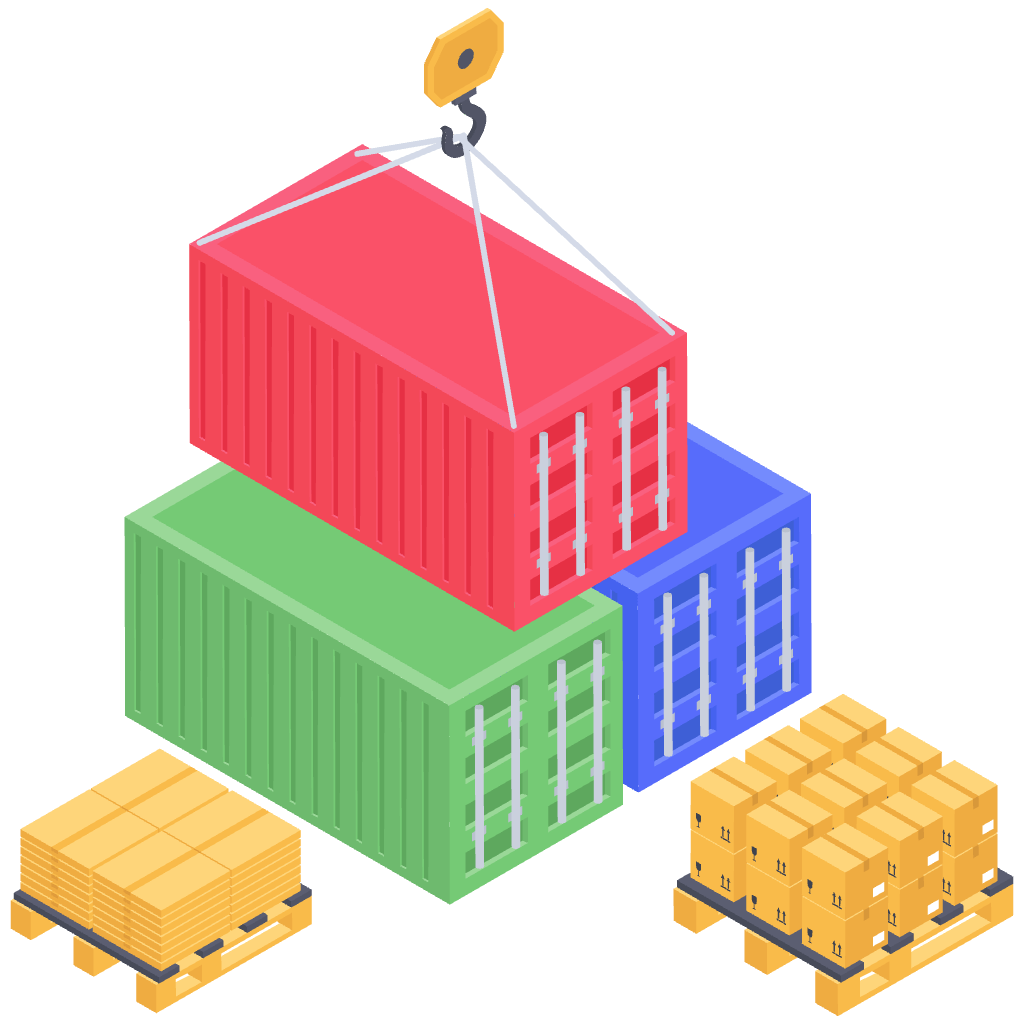
DPU (Delivered at Place Unloaded)
Concept Definition
DPU (Delivered at Place Unloaded) is an Incoterms® 2020 rule that represents a significant milestone in international trade: it is the only Incoterm that explicitly requires the seller to unload the goods at the destination. Under DPU, the seller bears all costs and risks involved in transporting the goods to the named place of destination and unloading them there.
What Is DPU Meaning in Shipping?
DPU essentially shifts the "unloading risk" from the buyer to the seller. While DAP requires the seller to deliver the goods ready for unloading, DPU requires the seller to actually perform the unloading (e.g., using a crane or forklift to take the goods off the truck or ship).
Example Scenario: Imagine you are importing heavy industrial machinery from a factory in Osaka, Japan, to your construction site in Sydney, Australia. Under DPU (Named Place: Construction Site, Sydney), here is what happens:
- Transport & Customs: The seller arranges the ocean freight to Sydney, handles the export clearance in Japan, and manages the import customs clearance in Australia (unless otherwise agreed).
- The Unloading Responsibility: Upon arrival at your construction site, the seller is responsible for the labor and equipment required to lift the heavy machinery off the transport vehicle and place it on the ground.
- Risk Transfer: The risk of loss or damage stays with the seller until the goods are fully unloaded at your site. If the machine is dropped during the unloading process, the seller is liable.
- Post-Delivery: Once the goods are safely on the ground, the risk transfers to you, and you become responsible for any further movement or installation.
Responsibilities: Who Does What?
| Responsibility | Seller (Exporter) | Buyer (Importer) |
|---|---|---|
| Export Clearance | ✅ | ❌ |
| Main Carriage | ✅ | ❌ |
| Import Clearance | ✅* | ❌* |
| Unloading at Destination | ✅ | ❌ |
| Risk Transfer | At named destination, unloaded | Once goods are unloaded |
*Note: While DPU requires the seller to be responsible for unloading, the parties must decide who handles import customs. If the seller cannot clear customs in the buyer's country, they should use DAP instead.
When Should You Use DPU?
DPU is a highly specialized term used when the buyer lacks the equipment or expertise to handle the arrival of complex or dangerous goods:
- Heavy or Specialized Cargo: If you are importing items that require specific cranes, rigging, or expert handling (like turbines, heavy machinery, or sensitive lab equipment), the seller—who knows the product best—is often the safest party to manage the unloading.
- Complex Logistics: If the unloading process is inherently risky, having the seller retain control until the cargo is safely on the ground can minimize liability disputes.
Essential Considerations & Warnings
- The Import Clearance Hurdle: The biggest challenge with DPU is that the seller must handle import customs in a foreign country. In many nations, foreign companies cannot legally act as the importer of record. Before agreeing to DPU, confirm if your seller has a registered entity or a customs broker in your country capable of clearing the goods. If they don't, DPU is legally impractical.
- Cost Allocation: Because the seller is performing the unloading, the product price will likely be higher to cover the costs of local labor, crane rentals, and potential delays at the destination.
- Unloading Delays: If the unloading process is delayed (e.g., due to site access issues or lack of labor), the seller is responsible for any resulting demurrage or storage fees.
Related Knowledge Base
Sourcing Practices & Insights: DPU (Delivered at Place Unloaded)
Latest Sourcing Guides

Get Started Today
Let's Turn Your Sourcing Goals into RealityWeChat:+86 15157124615
WhatsApp:+86 15157124615
Address:Building 10 #39 Xiangyuan Road, Hangzhou, China