

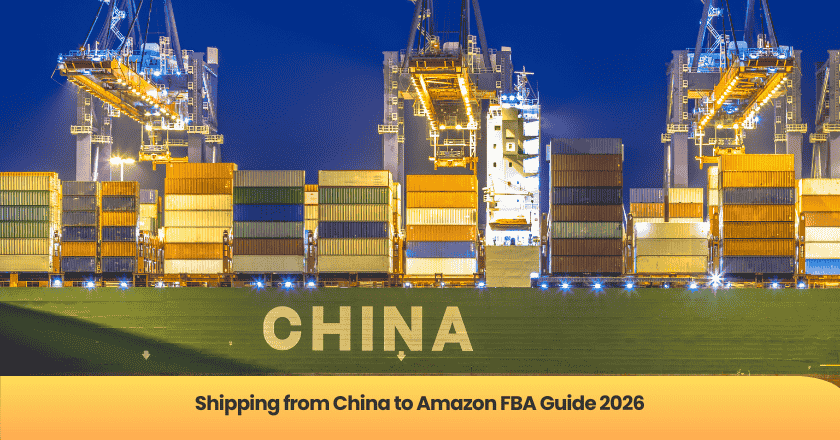
The era of simply finding a factory online and hoping for the best ended years ago. In 2026, the Amazon FBA ecosystem has evolved into a high-stakes environment where precision is the only way to survive.
Inventory placement fees and low-inventory surcharges have transformed logistics from a background task into a front-line competitive advantage. This guide explores the complex regulatory and technological landscape to help you ensure inventory reaches the fulfillment center on time and at the lowest possible landed cost.
The Shift from Just-in-Time to Predictive Resilience
The global supply chain has moved toward a model of predictive resilience. Amazon algorithms now prioritize predictability and often penalize sellers for delivery deviations that impact stock availability. While AI-managed ports in China and the US have sped up physical movement, digital documentation requirements have become significantly more complex.
The Crackdown on De Minimis Shipments
US Customs and Border Protection has intensified scrutiny on Section 321 entries. Bulk FBA shipments now face the same level of inspection previously reserved for heavy machinery. If paperwork does not perfectly align with factory output, goods may be impounded rather than just delayed.
Green Logistics Mandates
In 2026, reporting the carbon footprint of your transit is often mandatory. Amazon increasingly uses these metrics to determine which products receive Climate Pledge Friendly visibility in search results.
Avoiding Duty Traps
Many sellers still rely on default HTS codes provided by factories. These codes often minimize export taxes for the manufacturer but can trigger a 25% anti-dumping duty for the importer. Verifying HTS codes with a compliance expert before a container is booked is essential for protecting your margins.
Strategic Shipping Modes for the Modern Seller
Choosing between air and sea is no longer a simple binary decision. It is now a spectrum of transit times and cost-averaging designed to maintain a healthy Inventory Performance Index (IPI).
Fast-Sea Hybrid Routes
For most successful sellers, Fast-Sea routes are the primary lifeline. Port-to-door times now average 16 to 19 days from Shanghai to Los Angeles hubs. This method offers up to 70% cost savings compared to air freight while remaining fast enough to respond to sales surges.
Air Freight and Sustainability Costs
Air freight is now largely reserved for emergency restocking. With the mandatory adoption of Sustainable Aviation Fuel (SAF), prices have stabilized at a higher floor. Utilizing blocked space agreements can help you bypass peak-season congestion that often leaves smaller sellers stranded for weeks.
The European Rail Alternative
For those selling in Germany, France, or Poland, rail routes have seen a massive resurgence. Rail remains a cost-effective middle ground for heavy goods moving from inland China to European warehouses, offering a carbon-neutral alternative that is faster than sea freight.
2026 FBA Prep and Automation Compliance
Amazon fulfillment centers are now almost entirely automated. These robotic systems lack the flexibility of manual handling, meaning labels with even minor imperfections are frequently rejected as unfulfillable.
Material Science in Labeling
Modern prep centers now use high-grade thermal transfer labels. Standard direct thermal labels often fade or turn black when exposed to the extreme humidity and heat inside a shipping container. An unreadable FNSKU results in manual processing fees that can consume 15% of your profit.
Ships in Product Packaging (SIPP) Standards
The SIPP program is the current industry standard. If a product cannot be shipped without an over-box, a packaging surcharge is applied. Engineering your packaging to meet Frustration-Free Packaging certification ensures durability for the required 3-foot drop test while avoiding extra fees.
Redundancy with Packing Slips
Always include a packing slip inside the carton. If exterior labels are damaged during transit, Amazon's problem-solving teams can relabel the inventory in minutes if they find a clear slip with the shipment ID and FNSKU inside.
Mastering Customs and Regulatory Precision
Customs clearance has evolved into a primary operational risk. Regulatory bodies now use advanced data-matching systems to cross-reference shipping manifests with global manufacturing databases.
Evidence-Based Logistics: Under UFLPA and similar EU directives, the burden of proof lies with the importer. Implementing a traceability audit before goods leave the factory is vital.
Importer of Record (IOR) Benefits: While DDP shipping is simple, scaling brands often transition to becoming their own IOR to gain full visibility into tax liabilities and reclaim import VAT in European markets.
Avoiding Shipment Splitting: Attempting to fragment shipments to bypass de minimis thresholds is a significant risk. Modern algorithms identify these patterns easily, leading to comprehensive audits and long-term supply chain scrutiny.
Engineering Lower Per-Unit Costs
Inflation has made density the most critical metric in logistics. Carriers now charge based on the space you occupy rather than just weight.
| Strategy | Impact on Bottom Line |
|---|---|
| Dynamic Consolidation | Combining multiple supplier orders into one 20ft container to save on fixed customs fees. |
| Vacuum Packing | Reducing volume for soft goods to improve container utilization by up to 30%. |
| Amazon Warehousing (AWD) | Using satellite warehouses to avoid high FBA storage fees through auto-replenishment. |
Strategic FAQ for 2026 Logistics
How can I manage the low-inventory-level fee?
The most effective strategy is a continuous flow model. Rather than one massive shipment every quarter, smaller bi-weekly shipments via Fast-Sea keep your days of supply consistent and avoid penalties.
What happens if a shipment is flagged for a customs exam?
Preparation is the only defense. Ensure all CPSC certificates, MSDS, and commercial invoices are digitally organized and ready for immediate submission to minimize the duration of the hold.
Is plastic-free packaging a requirement?
For many categories, yes. Amazon has expanded sustainability requirements. Sourcing FSC-certified cardboard and biodegradable polybags in China is now a standard part of the manufacturing process.
How does the inventory placement fee work now?
Amazon charges a fee for sending all stock to a single warehouse. Pre-splitting shipments at the origin hub to multiple regions simultaneously is often more cost-effective than paying Amazon's internal distribution fees.
Conclusion
Shipping to Amazon FBA in 2026 requires a partner who understands the nuances of AI-driven customs and the shifting costs of sustainable energy. By prioritizing compliance and data-driven transit choices, you can ensure your products remain in stock while competitors face customs delays.
NewBuyingAgent
Related Resources


Get Started Today
Let's Turn Your Sourcing Goals into RealityWeChat:+86 15157124615
WhatsApp:+86 15157124615
Address:Building 10 #39 Xiangyuan Road, Hangzhou, China
