

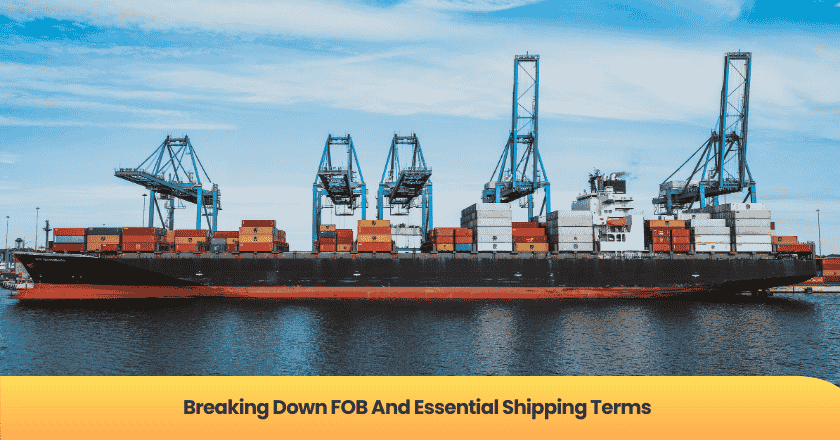
FOB, or free on board, means you decide where the seller's responsibilities end and yours begin when shipping goods. You need to understand FOB because it determines who pays the shipping costs and when risk transfers from sellers to buyers. FOB helps buyers and sellers clarify their responsibilities and avoid confusion during international shipping. The right FOB terms protect you from unexpected expenses and help you control your f.o.b purchase cost. When you choose FOB, you set clear rules for shipping, cost, and risk.
Key Takeaways
- Understand FOB terms to clarify responsibilities in shipping. This knowledge helps avoid confusion and unexpected costs.
- Know the difference between FOB origin and FOB destination. This distinction affects when you take responsibility for shipping and risk.
- Review the FOB purchase cost breakdown. This ensures you are aware of all expenses, helping you manage your budget effectively.
- Confirm the point of risk transfer in your contract. This protects you from disputes and unexpected losses during transit.
- Compare FOB with other shipping terms like EXW and CIF. This helps you choose the best option based on your control preferences and budget.
FOB Terms Explained
What Is Free On Board?
You encounter fob often when you negotiate contracts in international trade. The term free on board means the seller delivers goods to a specific location, usually a port, and you take responsibility from that point. You see fob used in incoterms, which are global standards for shipping and trade. When you agree to fob, you know exactly when risk and cost shift from the seller to you. Free on board clarifies who pays for shipping and who handles customs clearance. You avoid confusion by understanding fob and its role in freight on board arrangements. You use fob to set clear boundaries in trade deals.
FOB in International Shipping
You rely on fob to define your responsibilities in international shipping. Incoterms include fob as one of the most common terms for global transactions. You see fob origin and fob destination used to specify where the seller’s duties end and yours begin. In fob origin, you take control once the goods leave the seller’s location. In fob destination, the seller remains responsible until the goods reach your chosen place. You use fob to manage shipping costs and reduce risk in freight on board agreements. You make informed decisions in international trade by knowing how fob works in incoterms.
Tip: Always check the incoterms in your contract to confirm whether fob origin or fob destination applies. This helps you avoid unexpected shipping charges and ensures you know when risk transfers.
FOB Delivery Points
You must understand fob delivery points to manage your shipping process. Fob origin means you accept responsibility as soon as the goods leave the seller's facility. You arrange shipping, pay for freight on board, and handle customs from that moment. Fob destination shifts responsibility to the seller until the goods arrive at your location. You benefit from fob destination if you want the seller to manage shipping and risk. You see fob delivery points listed in incoterms to clarify trade agreements. You use freight on board terms to negotiate better deals and control costs. You improve your shipping strategy by choosing the right fob delivery point.
| FOB Term | Responsibility Transfers | Who Pays Shipping? | Risk Transfers |
|---|---|---|---|
| fob origin | At seller's location | Buyer | Buyer |
| fob destination | At buyer's location | Seller | Seller |
You protect your interests in international trade by understanding fob, incoterms, and delivery points. You avoid costly mistakes and ensure smooth shipping by using the right freight on board terms.
FOB Cost Transfer and Responsibilities
F.O.B Purchase Cost Breakdown
You need to understand the f.o.b purchase cost before you finalize any international trade deal. This cost includes the price of goods, packaging, and delivery to the agreed port. You pay for loading the goods onto the vessel, but you take on additional expenses after the goods pass the ship's rail. These expenses may include ocean freight, insurance, and customs duties. You must calculate the f.o.b purchase cost to avoid surprises in your budget. You should request a detailed invoice from sellers to see each component of the cost. You can use a simple table to organize your expenses:
| Cost Component | Paid By | Included in F.O.B Purchase Cost? |
|---|---|---|
| Product Price | Buyer | Yes |
| Packaging | Seller | Yes |
| Delivery to Port | Seller | Yes |
| Loading on Vessel | Seller | Yes |
| Ocean Freight | Buyer | No |
| Insurance | Buyer | No |
| Customs Duties | Buyer | No |
You control your budget by understanding each part of the f.o.b purchase cost. You avoid hidden fees and negotiate better terms with sellers.
When Risk and Costs Shift
You must know when risk and costs shift under fob terms. Sellers handle the goods until they reach the port and get loaded onto the vessel. Once the goods cross the ship’s rail, you assume all risks and responsibilities. You pay for shipping, insurance, and any losses that occur during transit. You protect your interests by confirming the exact point of transfer in your contract. You should always check the shipping documents to verify when the shift happens. You reduce disputes by making the transfer point clear to both buyers and sellers.
Note: Always review the bill of lading to confirm when risk and costs transfer. This document serves as proof of delivery and responsibility.
Seller vs Buyer Duties
You must understand the responsibilities of buyers and sellers under fob terms. Sellers prepare the goods, package them, and deliver them to the port. They load the goods onto the vessel and provide the necessary shipping documents. Buyers arrange and pay for shipping from the port onward. You handle insurance, customs clearance, and final delivery to your location. You must communicate clearly with sellers to avoid confusion about responsibilities. You should list each party's duties in your contract to prevent misunderstandings.
Seller Responsibilities:
- Prepare and package goods
- Deliver goods to port
- Load goods onto vessel
- Provide shipping documents
Buyer Responsibilities:
- Arrange shipping from port
- Pay for ocean freight and insurance
- Handle customs clearance
- Manage final delivery
You ensure a smooth shipping process by defining responsibilities for buyers and sellers. You minimize risk and control costs by following fob terms closely.
FOB Pitfalls and Solutions
Common FOB Misunderstandings
You often see confusion around fob terms in international trade. Many buyers believe that fob covers all shipping costs, but it only includes delivery to the port and loading onto the vessel. You must understand that once the goods pass the ship’s rail, your responsibilities begin. Some sellers may not clarify when risk transfers, leading to disputes if damage occurs during transit. You should always check your contract to confirm the exact point where responsibilities shift. Misunderstanding fob can result in unexpected expenses and delays.
Avoiding Hidden Costs
You can avoid hidden costs by reviewing every detail of your shipping agreement. Fob does not cover ocean freight, insurance, or customs duties. You need to ask sellers for a breakdown of all charges before finalizing your purchase. You should request a clear invoice that lists each cost component. Many buyers overlook additional fees, such as port handling or documentation charges. You protect your budget by confirming all responsibilities and costs upfront.
Tip: Always verify the shipping documents and payment terms before you agree to fob arrangements. This step helps you avoid surprises and ensures you know your responsibilities.
Supports Buyers
You benefit from expert guidance when navigating fob terms and shipping processes. You receive support in understanding your responsibilities and identifying potential pitfalls. You get help with contract review, cost analysis, and risk management. You avoid common mistakes that buyers make when dealing with sellers and international shipping. You gain confidence in your sourcing decisions by clarifying every aspect of fob and shipping responsibilities.
Comparing FOB and Other Shipping Terms
FOB vs EXW
You often see fob terms and EXW in international trade. EXW, or Ex Works, means the seller makes goods available at their premises. You take responsibility for all shipping steps from that point. Fob terms shift responsibility after the goods load onto the vessel at the port. You pay for shipping and risk only after the goods pass the ship’s rail. EXW gives you full control but also full responsibility. Fob terms offer a balance between seller and buyer duties.
| Term | Seller's Responsibility Ends | Buyer's Responsibility Begins | Shipping Risk |
|---|---|---|---|
| EXW | At seller's premises | At seller's premises | Buyer |
| FOB | At port, after loading | After loading on vessel | Buyer |
Tip: Choose EXW if you want to manage every shipping detail. Select fob terms if you prefer shared responsibilities.
FOB vs CIF
You compare fob terms with CIF when you plan your shipping strategy. CIF stands for Cost, Insurance, and Freight. Under CIF, the seller pays for shipping, insurance, and freight until the goods reach your port. Fob terms require you to handle shipping and insurance after the goods load onto the vessel. CIF reduces your risk but may increase your costs. Fob terms give you more control over shipping arrangements.
CIF: Seller pays for shipping, insurance, and freight.
FOB: You pay for shipping and insurance after loading.
Note: Use CIF if you want less risk and less involvement in shipping. Use fob terms if you want to negotiate better rates and manage risk yourself.
FOB vs DDP
You see DDP, or Delivered Duty Paid, as another option in shipping contracts. DDP means the seller handles all shipping, customs, and duties until the goods arrive at your location. Fob terms transfer responsibility to you after loading at the port. DDP offers maximum convenience but often comes with higher costs. Fob terms let you control shipping and customs clearance.
| Term | Seller's Duties | Buyer's Duties | Shipping Risk |
|---|---|---|---|
| DDP | All steps | Receive goods | Seller |
| FOB | Until loading | Shipping, customs | Buyer |
Alert: DDP works best if you want a hands-off approach. Fob terms suit you if you want to manage shipping and reduce costs.
Choosing the Right Term
You must select the right shipping term for your business needs. Fob terms provide a clear split of responsibilities and costs. EXW gives you full control but more risk. CIF and DDP offer convenience but may cost more. You should review your shipping strategy, budget, and risk tolerance before deciding. Always read contracts carefully and confirm each party's duties. You protect your interests by understanding fob terms and comparing them with other options.
- Review your shipping goals.
- Compare fob terms with EXW, CIF, and DDP.
- Confirm responsibilities and costs in your contract.
- Choose the term that matches your risk and budget preferences.
Tip: Clear communication and contract review help you avoid misunderstandings with fob terms and other shipping agreements.
You see clear differences between FOB and other shipping terms. You manage risk and cost more effectively when you understand each term. Buyers must know when responsibilities shift and how costs affect their bottom line. Careful review of contracts helps buyers avoid confusion and unexpected expenses. You improve your shipping strategy by learning the details and seeking expert advice before making decisions.
FAQ
What does FOB mean in shipping contracts?
FOB stands for "Free On Board." You agree that the seller delivers goods to a specific location, usually a port. You take responsibility for shipping, costs, and risk from that point forward.
Who pays for shipping under FOB terms?
You pay for shipping, insurance, and customs after the goods load onto the vessel. The seller covers delivery to the port and loading. Always check your contract for details.
When does risk transfer from seller to buyer with FOB?
Risk transfers to you once the goods cross the ship’s rail at the port. You become responsible for any loss or damage during transit after this point.
What costs are included in FOB purchase price?
You see the product price, packaging, delivery to port, and loading onto the vessel included. You pay separately for ocean freight, insurance, and customs duties.
How do FOB terms differ from CIF and EXW?
FOB shifts shipping responsibility to you after loading. CIF includes shipping and insurance paid by the seller. EXW gives you full responsibility from the seller's premises.
NewBuyingAgent
Related Resources

Get Started Today
Let's Turn Your Sourcing Goals into RealityWeChat:+86 15157124615
WhatsApp:+86 15157124615
Address:Building 10 #39 Xiangyuan Road, Hangzhou, China
