How to Import from China
Operational Scope and Process Sequence
How to import from China refers to the practical steps involved in purchasing goods produced in the People's Republic of China and bringing them into another country. While the specifics vary by product and destination, the process generally follows a recognisable sequence from product selection through to final delivery, and understanding that sequence helps a first-time importer anticipate what each stage requires rather than encountering problems unprepared.
Core Import Workflow and Operational Variables
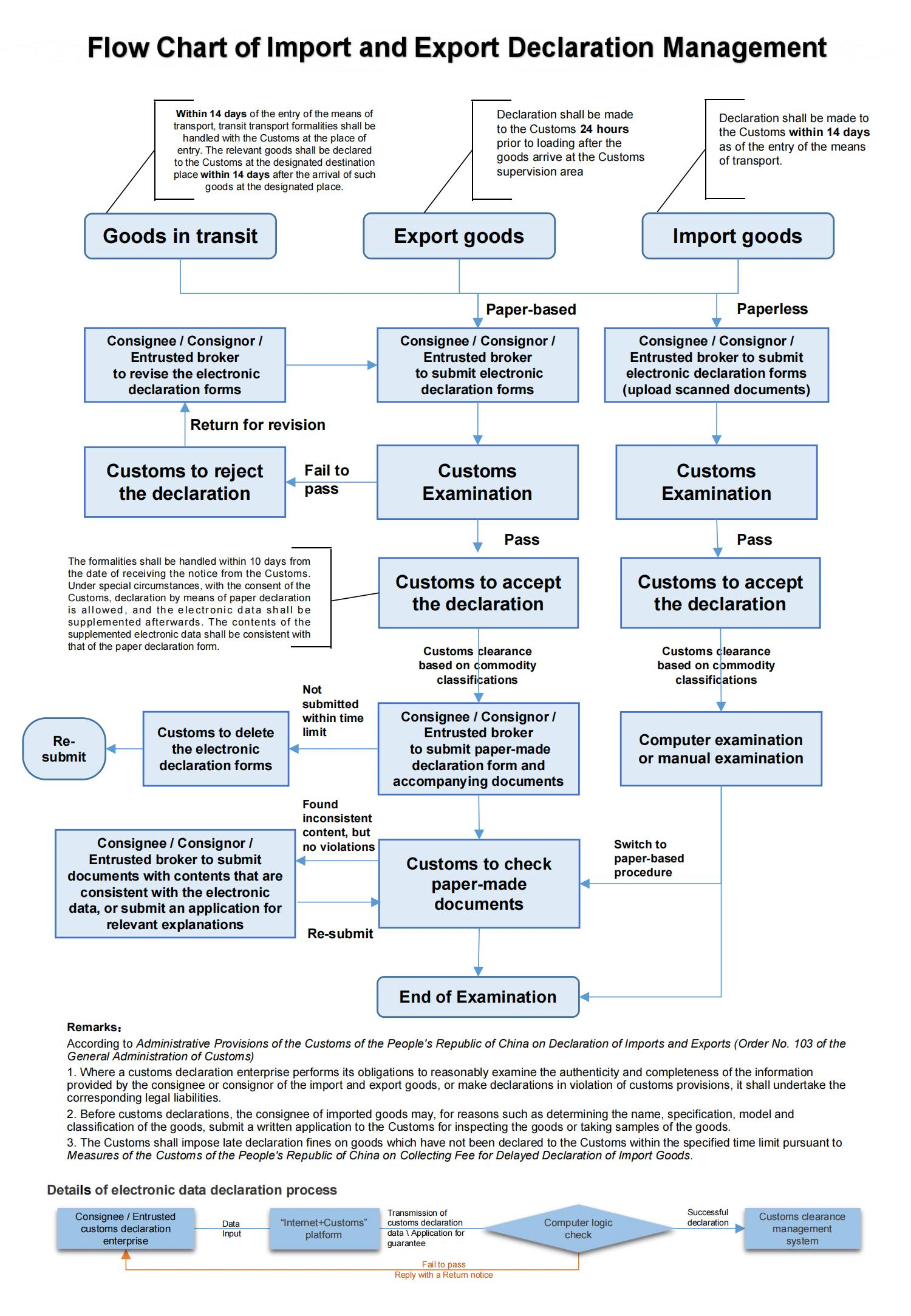
A typical workflow includes researching products and demand, identifying and verifying suppliers, negotiating price and terms, ordering and evaluating samples, agreeing trade terms (Incoterms)[1] and payment methods, monitoring production, conducting quality inspections, arranging international shipping, and clearing customs in the destination country[2]. Importers must also account for import duties[3], product safety and labelling regulations, and required documentation. Each stage carries decisions that affect cost, timing, and risk—the choice of Incoterms determines who arranges and pays for shipping and insurance at each point, for example, while payment structure affects how much is at stake before goods are verified.
Risk Mitigation Controls and Intermediary Support
Common guidance emphasises due diligence at each stage: verifying that suppliers are genuine rather than traders misrepresenting themselves as factories, testing samples before placing bulk orders, using secure and staged payment terms rather than paying in full upfront, and arranging pre-shipment inspections so that problems are caught before goods leave the country rather than after. Many importers work with sourcing agents, customs brokers, or freight forwarders to navigate language, logistics, and compliance, since these intermediaries provide expertise that is costly to build for an occasional importer.
Financial Planning, Scalability, and Regulatory Compliance
It also helps to think in terms of total landed cost rather than unit price alone, since freight, duties, inspection, and an allowance for defects or returns all bear on whether an import is genuinely profitable. Because regulations and tariffs vary by country and change over time[3], importers commonly confirm current requirements with official sources[4] rather than relying on general descriptions. A sensible approach for newcomers is to start with a manageable first order, treating it partly as a way to learn the process and test a supplier before committing larger sums, since the lessons of a small order are far cheaper than those of a large one. Diversifying suppliers over time also reduces the risk that a single factory's disruption halts supply, which becomes more important as an importing operation grows. This entry is general information rather than legal, tax, or customs advice, and importers should confirm the specific rules that apply to their product and destination with qualified professionals or official sources.
Frequently Asked Questions (FAQ)
What are the main steps in importing goods from China?
The core process involves:
- Identifying and evaluating suitable manufacturers or suppliers.
- Negotiating prices, payment schedules, and Incoterms (e.g., FOB, CIF, DDP).
- Requesting and approving product samples.
- Performing pre-shipment quality control inspections.
- Managing export/import customs clearing and logistics.
What are Incoterms and why do they matter when importing?
Incoterms (International Commercial Terms) define the responsibilities, costs, and risks between buyers and sellers in foreign trade. They clarify who pays for freight, insurance, tariffs, and who holds liability at each stage of transit.
How do buyers reduce financial risks during first-time procurement?
To reduce commercial risks, buyers typically avoid paying 100% upfront. Standard industry practice involves paying a 30% deposit to initiate production and settling the remaining 70% balance only after a third-party pre-shipment inspection confirms product quality.
Sources & References
- [1] World Trade Organization (WTO) - International Trade and Tariff Guides: https://www.wto.org/english/tratop_e/tariffs_e/tariffs_e.htm Accessed August 13, 2026.
- [2] International Chamber of Commerce (ICC) - Incoterms Rules Overview: https://iccwbo.org/business-solutions/incoterms-rules/ Accessed August 13, 2026.
- [3] U.S. Customs and Border Protection (CBP) - Importing into the United States: https://www.cbp.gov/trade/basic-import-export Accessed August 13, 2026.
- [4] General Administration of Customs of the People's Republic of China (GACC): http://english.customs.gov.cn/ Accessed August 13, 2026.
Related Knowledge Base
Sourcing Practices & Insights: How to Import from China
Latest Sourcing Guides

Comece hoje
Vamos transformar seus objetivos de compras em realidadeWeChat:+86 15157124615
WhatsApp:+86 15157124615
Endereço: Edifício 10 #39 Xiangyuan Road, Hangzhou, China