

Strategic Procurement
Concept Definition
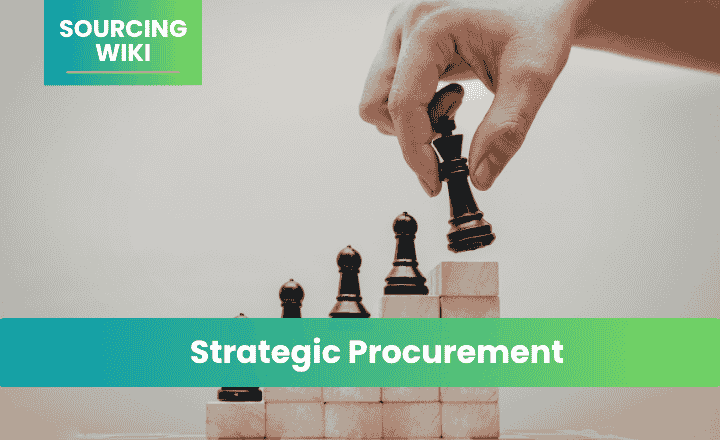
Strategic procurement is a structured, organization-wide approach to acquiring goods and services that aligns purchasing decisions with long-term business objectives. Unlike transactional purchasing—which prioritizes immediate cost savings—strategic procurement takes a holistic view of supplier relationships, risk management, total cost of ownership, and value creation across the entire supply chain.
At its core, strategic procurement bridges the gap between operational necessity and corporate strategy, ensuring that every sourcing decision contributes to broader organizational goals such as competitive advantage, operational resilience, and sustainable growth.
How Strategic Procurement Works
Strategic procurement operates through a systematic cycle that begins well before a purchase order is issued and extends far beyond delivery. The process typically encompasses the following interconnected stages:
1. Spend Analysis
Organizations first conduct a thorough audit of existing expenditure—categorizing spending by supplier, category, and business unit. This data-driven foundation reveals redundancies, consolidation opportunities, and areas of excessive supplier dependency.
2. Supply Market Intelligence
Procurement teams assess the external supply environment: market concentration, price volatility, geopolitical risks, and the financial health of key suppliers. This intelligence shapes negotiation strategies and informs make-or-buy decisions.
3. Category Management
Spend categories are segmented by strategic importance and supply risk—often mapped using frameworks such as the Kraljic Matrix. Categories classified as "strategic" receive dedicated sourcing strategies, long-term contracts, and senior stakeholder involvement.
4. Supplier Relationship Management (SRM)
Strategic procurement moves beyond transactional vendor management to cultivate collaborative, value-generating partnerships with key suppliers. This includes joint innovation initiatives, shared performance metrics, and structured governance frameworks.
5. Risk Mitigation
Procurement teams proactively identify and manage supply chain vulnerabilities—including sole-source dependencies, geographic concentration, and ESG compliance risks—using dual-sourcing strategies, contractual safeguards, and scenario planning.
Why Strategic Procurement Matters
In an increasingly complex and volatile global economy, organizations that treat procurement as a purely administrative function expose themselves to unnecessary cost inefficiencies, supply disruptions, and reputational risks. Strategic procurement, by contrast, delivers measurable value across multiple dimensions:
Cost optimization: Moving beyond unit price negotiation to reduce total cost of ownership through supplier consolidation, demand management, and process standardization.
Supply chain resilience: Building diversified, vetted supplier networks that can withstand geopolitical shifts, raw material shortages, and other external shocks.
Regulatory and ESG compliance: Ensuring that supply chains meet evolving legal, environmental, and social governance standards—reducing liability and strengthening brand trust.
Innovation access: Partnering with suppliers who bring proprietary technology, R&D capabilities, or market insights that accelerate product development and competitive differentiation.
Key Performance Metrics
The effectiveness of strategic procurement is measured through a blend of financial and operational indicators, including: cost savings achieved vs. target, supplier on-time delivery rates, supply risk exposure scores, contract compliance rates, and procurement ROI (return on investment relative to total procurement operating costs).
Strategic vs. Tactical Procurement
A common point of confusion is the distinction between strategic and tactical (or operational) procurement. Tactical procurement handles the day-to-day mechanics of purchasing—raising purchase orders, managing invoices, and ensuring delivery compliance. Strategic procurement, by contrast, sets the policy framework, category strategies, and supplier portfolio within which tactical procurement operates. Both functions are essential; they are complementary, not competing.
Conclusion
Strategic procurement has evolved from a cost-center function into a recognized driver of enterprise value. As supply chains grow in complexity and stakeholder expectations intensify, organizations that invest in strategic procurement capability gain a durable competitive advantage—one built not on price alone, but on supplier intelligence, risk foresight, and relationship capital.
Related Knowledge Base
Sourcing Practices & Insights: Strategic Procurement
Latest Sourcing Guides


Comece hoje
Vamos transformar seus objetivos de compras em realidadeWeChat:+86 15157124615
WhatsApp:+86 15157124615
Endereço: Edifício 10 #39 Xiangyuan Road, Hangzhou, China
