

Procurement Process Flow
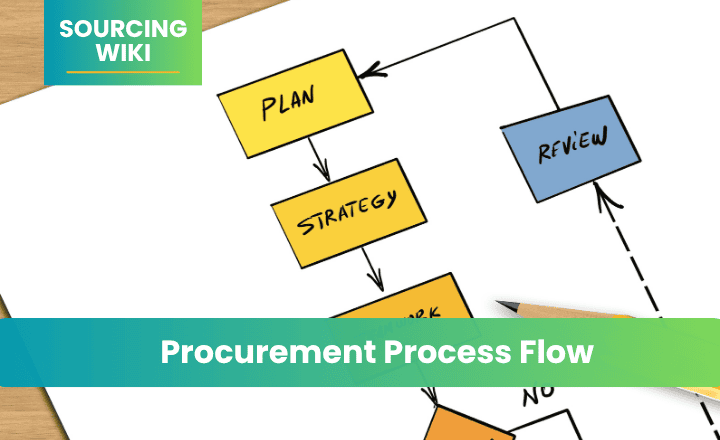
Concept Definition
The Procurement Process Flow is a sophisticated, end-to-end framework that organizations employ to acquire goods, services, or works. Rather than a mere administrative task, a modern procurement flow is a strategic pillar that ensures financial integrity, operational continuity, and risk mitigation. By standardizing this lifecycle, enterprises can transform "spending" into "value creation."
The Lifecycle of a Transaction
Needs Recognition and Specification: The cycle initiates when a business unit identifies a functional gap. Precision at this stage—defining technical requirements and quality benchmarks—is critical to avoid "scope creep" later in the process.
Purchase Requisition (PR): This acts as the internal control gate. The PR formalizes the request and moves it through an automated approval hierarchy, ensuring the purchase aligns with the departmental budget and corporate strategy.
Strategic Sourcing and RFX: For significant expenditures, procurement teams conduct market research. This often involves issuing a Request for Proposal (RFP) or Request for Quotation (RFQ). Vendors are vetted not just on price, but on financial stability, ESG (Environmental, Social, and Governance) compliance, and historical performance.
Negotiation and Contracting: This stage moves beyond unit cost to "Total Cost of Ownership" (TCO). Contracts are drafted to include Service Level Agreements (SLAs), indemnities, and termination clauses, creating a legal safety net for the organization.
Purchase Order (PO) Issuance: Once terms are finalized, a PO is dispatched. As a legally binding document, it locks in the quantities, prices, and delivery terms, serving as the "source of truth" for the transaction.
Goods Receipt and Quality Inspection: Upon delivery, the organization performs a physical or digital audit. A Goods Receipt Note (GRN) is generated, confirming that the delivery matches the PO’s specifications.
Three-Way Matching: This is the cornerstone of financial compliance. The system automatically compares the Purchase Order, the Receiving Report, and the Supplier's Invoice. If all three align within predefined tolerances, payment is authorized.
Payment and Relationship Management: The final stage involves settling the invoice and archiving the data. Post-purchase, the vendor’s performance is logged to inform future sourcing decisions.
The Value Proposition
Adhering to a structured procurement flow eliminates "maverick spending" (unauthorized purchases) and leverages economies of scale. In an era of global supply chain volatility, this process provides the transparency needed to pivot quickly and maintain a competitive edge.
Related Knowledge Base
Sourcing Practices & Insights: Procurement Process Flow
Latest Sourcing Guides

Comece hoje
Vamos transformar seus objetivos de compras em realidadeWeChat:+86 15157124615
WhatsApp:+86 15157124615
Endereço: Edifício 10 #39 Xiangyuan Road, Hangzhou, China
