

Indirect Procurement
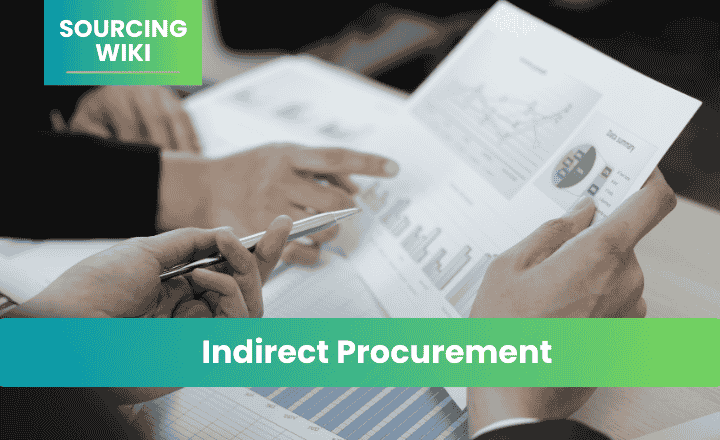
In the modern corporate landscape, procurement is often bifurcated into two primary streams: Direct and Indirect. While direct procurement—the acquisition of raw materials and components for production—historically received the lion's share of executive attention, Indirect Procurement has emerged as a critical lever for organizational agility, bottom-line profitability, and ESG (Environmental, Social, and Governance) compliance.
At its core, Indirect Procurement (also known as Operating Resources Management or ORM) refers to the sourcing and purchasing of goods and services that are essential for the day-to-day operations of a business but do not result in a final product sold to customers. If direct procurement is the fuel for the engine, indirect procurement is the oil, the maintenance, the garage, and the insurance that keeps the entire vehicle running.
The Scope and Categories of Indirect Spend
The "indirect" umbrella is notoriously broad, often encompassing a fragmented landscape of suppliers and internal stakeholders. To manage it effectively, organizations typically categorize spend into several distinct buckets:
- Information Technology (IT): Hardware (laptops, servers), software licenses, SaaS subscriptions, and cloud infrastructure.
- Facilities Management & MRO: Maintenance, Repair, and Operations. This includes everything from janitorial services and office rent to the spare parts needed to fix a factory conveyor belt.
- Professional Services: Legal counsel, accounting firms, management consultants, and temporary labor agencies.
- Marketing & Communications: Advertising agency fees, media buying, printing, and event management.
- Travel & Entertainment (T&E): Corporate flights, hotel stays, car rentals, and meal reimbursements.
- Utilities & Logistics: Electricity, water, waste management, and the shipping services used for internal administrative needs.
Direct vs. Indirect Procurement: A Comparative Analysis
To appreciate the complexity of indirect procurement, one must understand how it differs from its direct counterpart. The following table highlights the fundamental shifts in logic and management style required for each:
| Feature | Direct Procurement | Indirect Procurement |
|---|---|---|
| End Goal | Production and revenue generation. | Operational continuity and efficiency. |
| Relationship Focus | Long-term, strategic partnerships. | Often transactional, though shifting toward strategic. |
| Stakeholder Dynamics | Centralized (Production/Supply Chain). | Decentralized (Every department is a customer). |
| Inventory Management | Just-in-Time (JIT) or safety stock. | Minimal inventory; service-heavy. |
| Cost Structure | High volume, low variety. | Low volume per item, high variety (Long Tail). |
| Primary KPI | Cost of Goods Sold (COGS). | Operating Expenses (OPEX) & Cost Savings. |
The Challenges of Indirect Spend Management
Despite its importance, indirect procurement is frequently plagued by inefficiencies. Because almost every employee "buys" something (whether it is a specialized software or a box of pens), the function faces unique hurdles:
1. Maverick Spending
Maverick spend occurs when employees bypass official procurement channels to purchase items independently. This leads to a loss of volume discounts, increased risk of fraud, and a lack of visibility into total expenditure. Research suggests that in unmanaged environments, maverick spend can account for up to 30–40% of indirect costs.
2. The "Tail Spend" Problem
In indirect procurement, a vast number of small transactions with hundreds of minor suppliers often consume a disproportionate amount of administrative time. Managing this "tail" is labor-intensive and frequently yields low immediate ROI compared to negotiating a single multi-million dollar raw material contract.
3. Stakeholder Resistance
Unlike direct procurement, where the production team has a vested interest in supply chain stability, indirect procurement often "interferes" with the preferences of other departments. A marketing director may have a preferred agency they have used for years; a procurement officer's attempt to switch to a more cost-effective vendor can be met with significant friction.
Strategic Value
modern indirect procurement is no longer just a "back-office" function. It has become a strategic asset for several reasons:
- Profitability Optimization: Since indirect spend typically accounts for 15% to 40% of a company’s revenue, even a 5% reduction in indirect costs can lead to a significant increase in net profit margins—often more effectively than increasing sales volume.
- Risk Mitigation: Indirect procurement manages the vendors that handle sensitive data (IT) and legal compliance (Professional Services). Rigorous vetting processes are essential to protect the firm from cyber threats and regulatory fines.
- ESG and Sustainability: Indirect procurement is the primary vehicle for achieving "Scope 3" emission reductions. By sourcing green energy, sustainable office supplies, and diverse-owned service providers, procurement teams drive the company's social responsibility agenda.
- Digital Transformation: The rise of AI-driven e-procurement platforms (like Coupa, SAP Ariba, or Jaggaer) has enabled "guided buying" experiences. These tools use machine learning to categorize spend and suggest preferred vendors, effectively curbing maverick spend while improving the user experience for employees.
Best Practices for Maturing the Function
To transition from a reactive to a proactive indirect procurement model, organizations should focus on three pillars:
1. Centralization and Visibility: You cannot manage what you cannot see. Implementing a centralized Spend Analytics tool allows the organization to aggregate data across departments and identify "leakage."
2. Category Management: Assigning dedicated experts to specific spend areas (e.g., a "Travel Category Manager") ensures that the person negotiating contracts actually understands the nuances of that specific market.
3. Supplier Relationship Management (SRM): Moving away from purely "price-based" negotiations toward value-based partnerships. For example, working with an IT provider to co-innovate on cloud solutions can provide more long-term value than simply squeezing them for a 2% discount on hardware.
"The true measure of a successful indirect procurement strategy is not just the dollars saved, but the operational friction removed." — Industry Consensus on Modern Sourcing.
Conclusion
Indirect procurement is the silent architect of organizational health. While it may lack the high-profile glamour of direct supply chain logistics, its impact on the bottom line, employee productivity, and corporate reputation is profound. As businesses face increasing pressure from inflation and global competition, the ability to master indirect spend will be a defining characteristic of the industry leaders of tomorrow.
Related Knowledge Base
Sourcing Practices & Insights: Indirect Procurement
Latest Sourcing Guides

Comece hoje
Vamos transformar seus objetivos de compras em realidadeWeChat:+86 15157124615
WhatsApp:+86 15157124615
Endereço: Edifício 10 #39 Xiangyuan Road, Hangzhou, China
