

Procurement Cycle
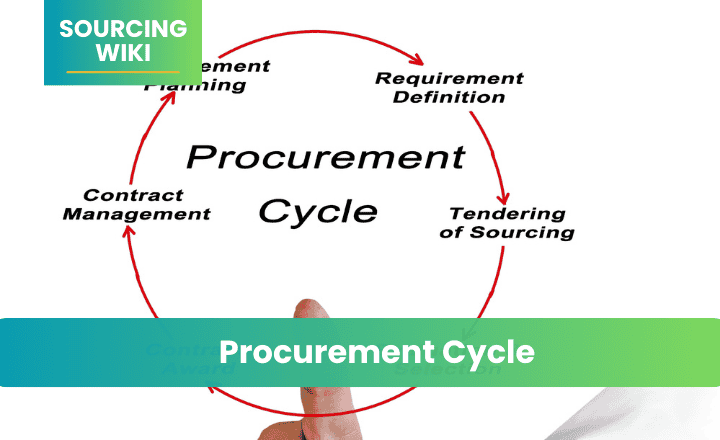
Understanding the Procurement Cycle is essential for any organization aiming to optimize its supply chain, manage costs, and ensure operational continuity. Far from being a simple transactional act of "buying," the procurement cycle represents a strategic, end-to-end process that bridges the gap between organizational needs and external supply capabilities.
Defining the Procurement Cycle
The procurement cycle is the cyclical process used by organizations to identify, source, negotiate, and acquire goods or services from an external source. It encompasses every step from the initial realization of a need to the final payment and the subsequent evaluation of the supplier's performance.
While often confused with "purchasing," procurement is a broader strategic function. Purchasing is a subset of the cycle—specifically the transactional part involving ordering and paying. In contrast, the procurement cycle focuses on Total Cost of Ownership (TCO), value creation, and long-term supplier relationship management (SRM).
The Comprehensive Stages of the Cycle
A robust procurement cycle typically consists of several interconnected stages. While the complexity may vary depending on the industry, the following steps represent the standard professional framework:
I. Identification of Need and Specification
The cycle begins when an internal department identifies a requirement. Expertise is required here to translate a vague "need" into technical specifications. Accurate documentation at this stage prevents the "Goldilocks" problem—buying products that are either too sophisticated (wasteful) or too basic (ineffective).
II. Market Research and Supplier Sourcing
Once the need is defined, procurement professionals survey the market. This involves evaluating the current supplier base and scouting for new partners. In this stage, businesses often utilize an RFI (Request for Information) to understand market capabilities without committing to a purchase.
III. The RFx Process (RFQ and RFP)
For significant acquisitions, the organization issues formal documents:
- RFQ (Request for Quotation): Used when the requirement is standardized (e.g., raw materials).
- RFP (Request for Proposal): Used when seeking a solution to a complex problem where the "how" is as important as the "how much."
IV. Negotiation and Contract Awarding
This is where the procurement team's expertise adds the most value. Negotiation isn't just about the lowest price; it's about Terms and Conditions (T&Cs), delivery schedules, quality benchmarks, and Service Level Agreements (SLAs). The goal is a "win-win" scenario that ensures supplier stability.
V. Purchase Order (PO) Issuance
The PO is a legally binding document that signifies the official start of the transaction. It outlines exactly what is being bought, the price, and the expected delivery date, serving as the primary reference point for the finance department.
VI. Goods Receipt and Inspection
Upon delivery, the goods must be inspected against the PO and the shipping manifest. Any discrepancies—damaged goods or incorrect quantities—must be logged immediately to trigger the "Returns and Credits" sub-process.
VII. Three-Way Matching and Payment
Before the Accounts Payable (AP) department releases funds, they perform a Three-Way Match:
1. The Purchase Order (What we asked for).
2. The Receiving Report (What we got).
3. The Invoice (What they are charging us).
VIII. Record Keeping and Performance Review
The cycle is not complete until the data is archived for audit purposes and the supplier's performance is reviewed. Did they deliver on time? Was the quality consistent? This data informs whether the supplier will be used in the next cycle.
The Strategic Importance: Why It Matters
The procurement cycle is a lever for organizational health. Its importance can be categorized into three pillars:
A. Cost Management and Profitability
Strategic procurement can directly impact the bottom line. By leveraging volume discounts, consolidating suppliers, and reducing "maverick spending" (unauthorized purchases), companies can significantly reduce their operating expenses.
B. Risk Mitigation
In an era of global volatility, the procurement cycle acts as a shield. Rigorous supplier vetting and diversified sourcing strategies ensure that a disaster in one part of the world doesn't halt the entire production line.
C. Sustainability and ESG
Modern procurement is the primary vehicle for Environmental, Social, and Governance (ESG) goals. Organizations now use the cycle to ensure their suppliers adhere to ethical labor practices and environmental standards, protecting the brand's reputation and ensuring regulatory compliance.
Challenges and Digital Transformation
Despite its structured nature, the procurement cycle faces several hurdles:
- Data Silos: When information isn't shared between departments, it leads to inefficiencies.
- Manual Bottlenecks: Paper-based systems are prone to human error and delays.
To combat this, leading firms are adopting E-Procurement systems. Technologies like Artificial Intelligence (AI) can now predict supply shortages, while Blockchain provides immutable transparency in the "Goods Receipt" phase.
Expert Insight: "The shift from a tactical 'Purchasing' mindset to a strategic 'Procurement Cycle' mindset is often the difference between a company that survives a supply chain crisis and one that thrives during it."
Comparative Analysis: Procurement vs. Purchasing
| Feature | Purchasing | Procurement Cycle |
|---|---|---|
| Focus | Transactional/Tactical | Strategic/Holistic |
| Goal | Lowest Price | Total Cost of Ownership (TCO) |
| Relationship | Reactive/Short-term | Proactive/Long-term |
| Scope | Ordering and Paying | Sourcing to Performance Review |
Summary and Professional Outlook
The procurement cycle is a dynamic, living framework that requires a blend of analytical rigor, negotiation skills, and ethical oversight. By mastering each stage—from the initial "need" to the final "review"—organizations can transform their supply chain from a cost center into a competitive advantage. In the coming years, the integration of real-time data and automated compliance will make this cycle even faster and more resilient.
Related Knowledge Base
Sourcing Practices & Insights: Procurement Cycle
Latest Sourcing Guides
Comece hoje
Vamos transformar seus objetivos de compras em realidadeWeChat:+86 15157124615
WhatsApp:+86 15157124615
Endereço: Edifício 10 #39 Xiangyuan Road, Hangzhou, China
