

CLS (Container Loading Supervision)
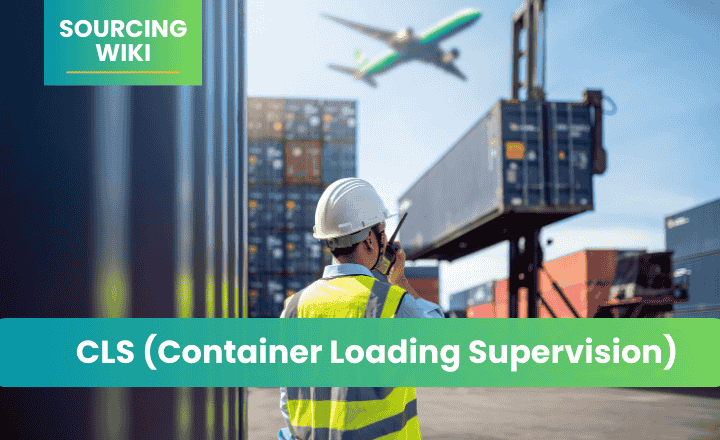
Concept Definition
Container Loading Supervision (CLS), also known as Container Loading Check (CLC), is the final step in the quality control process. It takes place at the factory or the forwarder's warehouse after the Pre-Shipment Inspection (PSI) is passed.
While the PSI focuses on the quality of the products, the CLS focuses on the logistics: ensuring the correct quantity of goods is loaded into the container, handled with care, and secured properly for the long journey ahead.
Why is CLS Essential?
Even if your products are perfect (as confirmed by the PSI), things can go wrong during the final hour. CLS acts as a safeguard against several common "last-mile" risks:
- Product Substitution: Preventing the factory from swapping inspected goods with lower-quality stock at the last minute.
- Short-Shipping: Ensuring the supplier doesn't leave out cartons to save on space or hide inventory shortages.
- Physical Damage: Monitoring the workers to ensure they don't drop, crush, or improperly stack your cartons.
- Container Integrity: Verifying the container itself is clean, dry, and free of holes that could lead to mold or water damage at sea.
- Theft Prevention: Ensuring the container is sealed with a high-security bolt seal immediately after loading.
What Happens During a CLS? (The Checklist)
A professional inspector follows a strict protocol during the 2–4 hours it takes to load a container:
- Container Condition Check: Inspecting the interior for odors, moisture, and "light leaks" (holes). Checking the locking mechanisms and the floor's structural integrity.
- Quantity Tally: Recording every carton as it enters the container to ensure the total matches the Packing List.
- Random Carton Check: Opening 1 or 2 random cartons to verify the contents still match the approved samples from the PSI.
- Loading Pattern Supervision: Ensuring heavy items are at the bottom and the load is balanced to prevent the container from tipping or shifting.
- Sealing: Witnessing the closing of the doors and the application of the Container Seal. The inspector records the unique seal number, which is then cross-referenced on the Bill of Lading (B/L).
The "Golden Record": Photo Documentation
The output of a CLS is a detailed report filled with photographic evidence. In the event of an insurance claim or a dispute with the supplier, these photos are your most powerful evidence:
- Photos of the empty container.
- Photos of the loading process (showing handling).
- Photos of the container 1/4 full, 1/2 full, and completely full.
- Photos of the closed doors and the attached seal.
Essential Considerations & Warnings
- The "Switch" Risk: Without CLS, there is a risk that a supplier might present "Gold Samples" for the PSI and then load "Lead Goods" into the container once the inspector leaves. CLS bridges this gap.
- Weather Awareness: If it is raining during loading, the inspector must ensure the factory uses a covered loading dock. Moisture trapped inside a container can lead to massive mold outbreaks during the 30-day ocean transit.
- L/C Compliance: If you are paying via Letter of Credit (L/C), sometimes the bank requires a loading certificate. CLS provides the necessary proof.
- Container "Stuffing": If the factory over-stuffs a container to save on freight costs, they might crush the bottom layer of products. A CLS inspector will stop the loading if they see the packaging being compromised.
Related Knowledge Base
Sourcing Practices & Insights: CLS (Container Loading Supervision)
Latest Sourcing Guides



Comece hoje
Vamos transformar seus objetivos de compras em realidadeWeChat:+86 15157124615
WhatsApp:+86 15157124615
Endereço: Edifício 10 #39 Xiangyuan Road, Hangzhou, China
