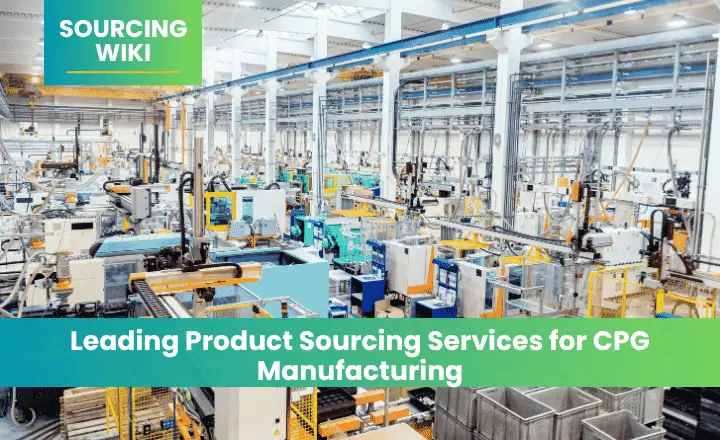
Leading Product Sourcing Services for CPG Manufacturing
Definition
Leading product sourcing services for CPG manufacturing are specialized procurement offerings that support consumer packaged goods (CPG) companies in sourcing the materials, ingredients, packaging, and finished products required for their operations. CPG refers to everyday consumer items such as food and beverages, personal care, household products, and cosmetics, which are typically produced and sold in high volumes and at relatively low unit prices. The high-volume, consumer-facing, and frequently regulated nature of these products shapes the sourcing requirements, placing particular emphasis on consistency, traceability, and compliance.
Where this shows up in practice: a single contaminated batch of an ingredient, or a mislabeled packaging run, doesn't just affect one order — it can sit inside thousands of units already on retail shelves before anyone notices. A CPG sourcing failure scales the way the products themselves do, which is why the sourcing discipline in this sector is built around catching problems before a production run, not after it ships.
What These Services Typically Cover
These services help CPG manufacturers manage complex supply chains by identifying and verifying suppliers, negotiating terms, ensuring quality and regulatory compliance, and coordinating logistics. Given the nature of CPG products, sourcing often emphasizes ingredient and material traceability, food-safety and labeling standards, packaging requirements, and consistency across large production runs.
Traceability is especially important: in food and personal-care categories, the ability to track an ingredient or material back through the supply chain underpins both safety management and the capacity to respond effectively if a recall becomes necessary. In the U.S., food businesses handling higher-risk foods are subject to enhanced recordkeeping requirements under the FDA's Food Traceability Rule, which requires the ability to trace a product back through the supply chain and supply that data to regulators within 24 hours if requested.[1] Cosmetics manufacturers face a parallel set of obligations under the Modernization of Cosmetics Regulation Act (MoCRA), including facility registration, product listing, and forthcoming good manufacturing practice requirements.[2]
Why CPG Companies Use These Services
CPG companies engage such services to secure reliable supply, manage costs, and meet stringent quality and compliance requirements. Considerations particularly relevant to this sector include certification (such as food-safety and quality-management standards), supplier audits, sustainability and ethical-sourcing expectations, and resilience against supply disruption.
Supply continuity matters acutely in CPG because these are repeat-purchase products with established shelf presence, and a gap in supply can mean lost listings and ceded market share, so sourcing services in this sector often emphasize dependable, diversified supply as much as cost.
Why Due Diligence Matters More in This Sector
Because CPG products are consumer-facing and often regulated, due diligence, transparency, and verifiable supplier credentials are widely regarded as essential to protecting brand reputation and consumer safety. A failure in an ingredient or packaging component can affect large quantities of finished product and reach many consumers, so the cost of an inadequately vetted supplier is potentially severe, both commercially and in terms of safety.
The word "leading" in this phrase reflects a buyer's wish to identify high-quality providers rather than denoting any single definitive service, and the practical way to assess one is against concrete criteria — relevant category and regulatory expertise, verifiable references, robust quality and compliance processes, and transparent terms — rather than reputation alone.
This entry offers general background and is not legal, regulatory, or food-safety advice; requirements vary by product, market, and jurisdiction and change over time, so CPG companies should confirm current standards with qualified professionals.
Where NewBuyingAgent Fits
Our sourcing network covers several categories that sit within CPG — personal care, beauty, and household goods among them — through vetted factories at a single all-in FOB price. Ingredient-level food and beverage sourcing, with its own layer of food-safety and traceability regulation, falls outside our core scope; for that category specifically, a specialized food-industry sourcing partner is the better fit.
FAQ
What makes CPG sourcing different from sourcing other product categories?
The repeat-purchase, high-volume, and often-regulated nature of CPG products raises the stakes of a sourcing mistake — a bad batch of ingredient or packaging can reach far more consumers, far faster, than in categories where each unit is sold and used more independently. Traceability and compliance carry more weight as a result.
Do all CPG categories face the same regulatory requirements?
No. Food and beverage products face traceability rules like the FDA's Food Traceability Rule, while cosmetics face a separate framework under MoCRA — household products and personal care items sit under their own, sometimes overlapping, sets of requirements.[1][2] Confirm which rules apply to your specific product before finalizing a sourcing plan.
How do I evaluate whether a "leading" CPG sourcing provider is actually a good fit?
Look past reputation and check concrete criteria: relevant category and regulatory expertise, verifiable client references, documented quality and compliance processes, and transparent pricing. A provider strong in one CPG category (say, cosmetics) isn't automatically equipped for another (say, food).
Can one sourcing partner handle both food ingredients and non-food CPG categories like personal care or household goods?
Some can, but it's worth confirming directly rather than assuming — the regulatory expertise required for food ingredient traceability is quite different from what's needed for cosmetics or household product compliance, so a provider's strength in one doesn't guarantee strength in the other.
Sources & References
[1] U.S. Food and Drug Administration —Food Traceability List. Accessed August 11, 2026.
[2] U.S. Food and Drug Administration —Cosmetics & U.S. Law. Accessed August 11, 2026.
Related Knowledge Base
Sourcing Practices & Insights: Leading Product Sourcing Services for CPG Manufacturing
Latest Sourcing Guides


Get Started Today
Let's Turn Your Sourcing Goals into RealityWeChat:+86 15157124615
WhatsApp:+86 15157124615
Address:Building 10 #39 Xiangyuan Road, Hangzhou, China