

Procurement vs Purchasing
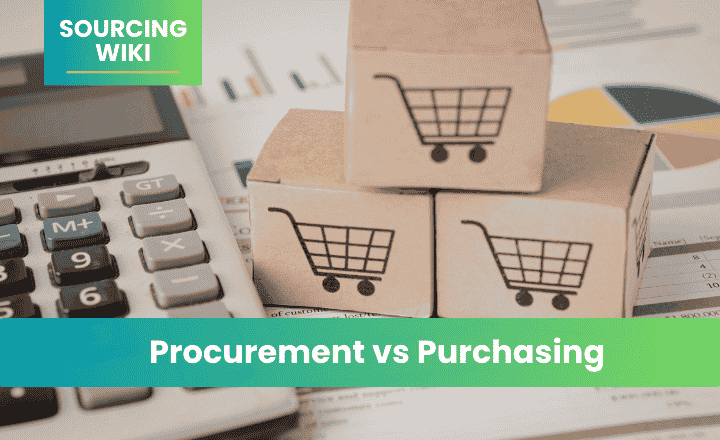
The distinction between Procurement and Purchasing is often misunderstood in the corporate world, with many using the terms interchangeably. However, in the context of modern supply chain management and organizational efficiency, they represent two distinct functions: one strategic and the other transactional.
Procurement: The Strategic Framework
Procurement is an umbrella term that encompasses the entire process of acquiring goods, services, or works from an external source. It is fundamentally strategic and proactive. Rather than simply buying a product, procurement focuses on the long-term goals of the organization, such as cost reduction, risk mitigation, and building sustainable supplier relationships.
The Scope of Procurement
The procurement lifecycle begins long before a contract is signed. It involves several critical phases:
- Needs Recognition & Market Analysis:Identifying what the company requires and researching the market to understand the availability of solutions and the competitive landscape.
- Sourcing and Evaluation:Issuing Requests for Proposal (RFP) or Requests for Quotation (RFQ). This stage involves vetting potential vendors based on their financial stability, ethical standards, and technical capabilities.
- Negotiation:Moving beyond price to negotiate contract terms, service level agreements (SLAs), and delivery schedules that align with the company's risk appetite.
- Supplier Relationship Management (SRM):Cultivating long-term partnerships. High-level procurement ensures that suppliers are not just vendors but strategic partners who contribute to the company's innovation.
- Total Cost of Ownership (TCO):Unlike purchasing, which looks at the "sticker price," procurement analyzes the TCO, including maintenance, disposal, and administrative overhead.
The Strategic Value
In the modern economy, procurement is a driver of Supply Chain Resilience. By diversifying sources and auditing supplier ethics, procurement professionals protect the brand’s reputation and ensure business continuity during global disruptions. It is the "brain" of the spending process, deciding how and why capital is deployed.
Purchasing: The Transactional Execution
Purchasing is a subset of the broader procurement process. It is the transactional and administrative function of buying goods or services. If procurement is the strategy, purchasing is the execution. It is a reactive process focused on the short-term goal of getting the necessary items into the building at the right time.
The Purchasing Cycle
The purchasing process is often characterized by a series of routine, clerical steps designed for speed and accuracy:
- Purchase Requisition:Receiving an internal request from a department that needs a specific item.
- Purchase Order (PO) Creation:Generating a formal document that specifies quantities, descriptions, and agreed prices to be sent to the vendor.
- Expediting:Monitoring the progress of the order to ensure timely delivery and resolving any immediate logistics issues.
- Receipt and Inspection:Accepting the delivery and verifying that the goods match the PO in terms of quality and quantity.
- The Three-Way Match:A critical accounting control where the Purchase Order, the Receiving Report, and the Vendor Invoice are compared to ensure they align before payment is authorized.
- Payment Processing:Finalizing the transaction through the Accounts Payable department.
The Operational Importance
While it lacks the strategic depth of procurement, purchasing is vital for operational efficiency. Without a rigorous purchasing workflow, organizations face "maverick spending" (unauthorized purchases) and accounting discrepancies. Purchasing ensures that the wheels of the company keep turning by managing the day-to-day flow of inventory and consumables.
Comparative Analysis: Procurement vs. Purchasing
To better understand the synergy between these two functions, we must look at their core differences across several dimensions.
| Feature | Procurement | Purchasing |
|---|---|---|
| Focus | Strategic, long-term goals | Transactional, short-term needs |
| Orientation | Process-oriented and proactive | Task-oriented and reactive |
| Primary Goal | Maximizing value and ROI | Ensuring order accuracy and speed |
| Supplier Relation | Building collaborative partnerships | Maintaining functional, arms-length relationships |
| Key Metric | Total Cost of Ownership (TCO) | Purchase price and delivery time |
| Involvement | From need identification to contract end | From order placement to payment |
Why the Distinction Matters for Business Growth
Understanding the nuance between these two concepts is not merely an academic exercise; it is a prerequisite for scaling a business.
1. Cost vs. Value:A company focused solely on purchasing will always look for the lowest price. A company focused on procurement might pay more upfront for a higher-quality component that reduces failure rates, ultimately saving millions in warranty claims.
2. Risk Management:Procurement professionals spend their time worrying about geopolitical stability, environmental regulations, and labor laws. Purchasing professionals ensure that the invoice is correct. Both are needed, but without the former, a company is vulnerable to "black swan" events.
3. Data-Driven Decision Making:Modern procurement utilizes AI and big data to predict market shifts. This intelligence allows the purchasing department to execute orders more efficiently, knowing that the "when" and "where" have been optimized by the procurement strategy.
Expert Insight:In a high-performing organization, Procurement sets the stage by identifying the best partners and negotiating the best frameworks. Purchasing then performs the dance, ensuring that the day-to-day transactions are seamless, compliant, and fiscally responsible.
Conclusion
While they are distinct, Procurement and Purchasing are two sides of the same coin. An organization cannot have a successful procurement strategy without a disciplined purchasing process to execute it. Conversely, a highly efficient purchasing department will eventually fail if it is not guided by a strategic procurement framework that accounts for market volatility and supplier risk.
By mastering both, organizations transition from simply "spending money" to "investing capital" in a way that builds a competitive advantage and long-term sustainability.
Related Knowledge Base
Sourcing Practices & Insights: Procurement vs Purchasing
Latest Sourcing Guides

Get Started Today
Let's Turn Your Sourcing Goals into RealityWeChat:+86 15157124615
WhatsApp:+86 15157124615
Address:Building 10 #39 Xiangyuan Road, Hangzhou, China
