

Procurement Analytics
Concept Definition
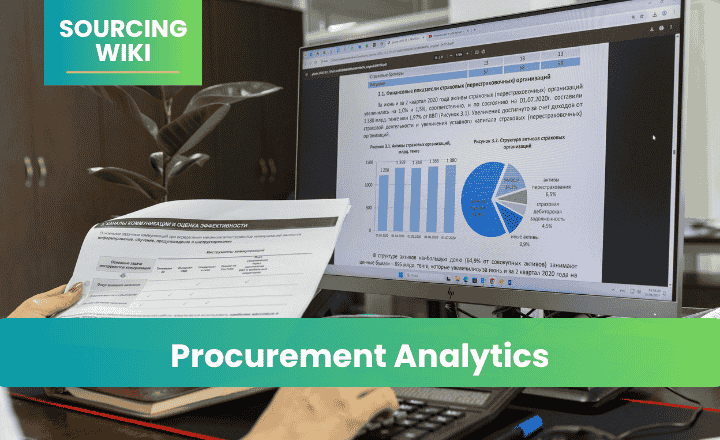
Procurement analytics is a broader discipline than spend analytics, though the two are closely related. Where spend analytics focuses primarily on what was bought, from whom, and at what price, procurement analytics encompasses the full performance picture of the procurement function: how well sourcing events are executed, how effectively contracts are managed, how reliably suppliers perform, and how efficiently the procurement operation itself runs.
Data Processing and Analytical Scope
The analytical scope of procurement spans several distinct domains. Sourcing analytics examines the outcomes of competitive sourcing events: number of qualified bidders, bid coverage and response rates, price improvement achieved versus incumbent, time-to-award, and savings realization against identified opportunities. These metrics reveal the efficiency and rigor of the sourcing process and enable benchmarking across categories and time periods.
Contract analytics monitors the health of the contract portfolio. Key metrics include contract coverage as a percentage of total spend, contract utilization rates, volume of contracts approaching expiry without renewal action, and the prevalence of non-standard terms across the portfolio. Contract leakage analysis — quantifying spend that flows outside contracted rates and terms — is one of the highest-value analytics applications in procurement.
Supplier performance analytics translates scorecard data into trend analysis, benchmarking, and predictive signals. Beyond individual supplier assessments, aggregated performance data across categories reveals systemic quality or delivery issues, supplier tier performance differentials, and the correlation between qualification scores and operational performance.
Procurement operations analytics measures the efficiency and throughput of the procurement function itself: purchase order cycle times, invoice exception rates, requisition-to-order processing times, and the proportion of spend under active management versus tail or unmanaged categories. These operational metrics provide the evidence base for resource allocation decisions and technology investment cases.
Risk analytics integrates external data — supplier financial health indicators, geopolitical risk scores, news signals, and regulatory compliance alerts — with internal concentration and dependency data to produce a continuously updated supply risk picture. Organizations that rely on periodic, manual risk reviews are increasingly disadvantaged relative to those deploying automated, signal-based risk monitoring.
Analytical Insights and Applications
The organizational value of procurement analytics is greatest when it is embedded in decision-making workflows rather than produced as periodic reports. Category managers who review live dashboards before entering negotiations, CPOs who monitor savings realization in real time, and procurement operations leaders who track cycle time anomalies as they occur — these users derive fundamentally different value from analytics than those who receive monthly PowerPoint summaries.
Strategic Value and Technology Trends
Building procurement analytics capability requires investment in three areas simultaneously: data infrastructure (clean, integrated, timely data), analytical tooling (visualization platforms, statistical tools, AI-powered anomaly detection), and human capability (analysts and category managers who can formulate questions, interpret outputs, and translate insights into action).
Related Knowledge Base
Sourcing Practices & Insights: Procurement Analytics
Latest Sourcing Guides



Get Started Today
Let's Turn Your Sourcing Goals into RealityWeChat:+86 15157124615
WhatsApp:+86 15157124615
Address:Building 10 #39 Xiangyuan Road, Hangzhou, China
