

IT Procurement Process
Concept Definition
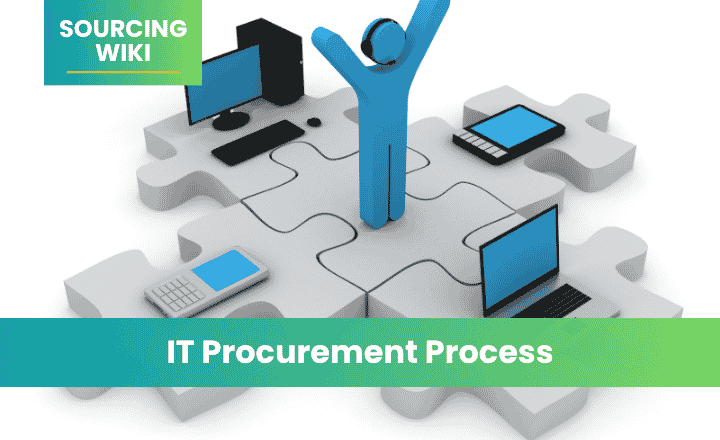
The IT procurement process is the structured sequence of activities through which organizations identify, evaluate, acquire, and manage the technology products and services—including hardware, software, cloud services, telecommunications, and professional IT services—needed to support their business operations and digital strategies. As technology expenditure represents a growing share of organizational budgets and digital capabilities increasingly define competitive advantage, the IT procurement process has become a critical business function.
Requirements Definition and Stakeholder Alignment
IT procurement begins with requirements definition and needs assessment. Business stakeholders articulate the functional, technical, and performance requirements that the technology acquisition must satisfy. This phase involves collaboration between IT leadership, end users, procurement professionals, information security teams, and legal counsel to ensure that requirements address not only functional needs but also integration compatibility, security standards, data privacy compliance, scalability, and long-term supportability. Clear, comprehensive requirements prevent scope creep and provide the foundation for objective vendor evaluation.
Market Research and Vendor Identification
Market research and vendor identification follow requirements definition. The IT market is characterized by rapid innovation, frequent product releases, complex licensing models, and a broad spectrum of vendors ranging from global enterprise technology companies to specialized niche providers. Procurement teams research available solutions through industry analyst reports, technology conferences, peer benchmarking, vendor demonstrations, and proof-of-concept evaluations. For significant acquisitions, engaging independent technology advisors can provide objective assessment of vendor capabilities and market positioning.
Solicitation and Vendor Engagement
The solicitation process in IT procurement—whether structured as a request for information, request for proposal, or request for quotation—must accommodate the technical complexity and rapid evolution of technology products. Effective IT solicitations clearly articulate use cases, integration requirements, security and compliance mandates, service level expectations, and evaluation criteria. They also request information about vendor financial stability, product roadmaps, customer references, and support capabilities that influence long-term value.
Vendor Evaluation and Proof of Concept
Vendor evaluation in IT procurement extends beyond price comparison to encompass technical fit, solution architecture, implementation methodology, ongoing support quality, and strategic alignment. Proof-of-concept trials and pilot implementations allow organizations to validate vendor claims and assess real-world performance before committing to full-scale deployment. Reference checks with comparable organizations provide insight into actual implementation experiences and vendor responsiveness.
Licensing Models and Pricing Complexity
Licensing and pricing models in IT procurement require specialized expertise. Software licensing has evolved from simple perpetual licenses to complex arrangements including subscription models, consumption-based pricing, enterprise agreements, and hybrid configurations. Cloud services introduce additional complexity through multi-tier pricing, reserved capacity commitments, data egress charges, and usage-based billing. Procurement professionals must understand these models thoroughly to negotiate favorable terms and avoid unexpected costs.
Contract Negotiation and Risk Management
Contract negotiation in IT procurement addresses unique considerations including intellectual property ownership, data portability, service level agreements with financial penalties, security and audit rights, disaster recovery commitments, and contract termination and transition provisions. Given the switching costs and organizational dependency that technology purchases can create, exit provisions and data migration support are particularly important protective measures.
Security, Compliance, and Governance
Security and compliance evaluation has become an essential component of the IT procurement process. Organizations must assess whether technology vendors meet applicable cybersecurity standards, data protection regulations, and industry-specific compliance requirements. Security questionnaires, independent audit certifications, penetration testing results, and data processing agreements form part of the due diligence process for technology acquisitions.
Lifecycle Management and Value Realization
Post-acquisition management—including implementation oversight, license compliance monitoring, contract renewal planning, and vendor relationship management—ensures that technology investments deliver their intended value throughout the product lifecycle. Effective IT procurement is not completed at the point of purchase but extends through deployment, utilization, and eventual replacement or renewal.
Related Knowledge Base
Sourcing Practices & Insights: IT Procurement Process
Latest Sourcing Guides


Get Started Today
Let's Turn Your Sourcing Goals into RealityWeChat:+86 15157124615
WhatsApp:+86 15157124615
Address:Building 10 #39 Xiangyuan Road, Hangzhou, China
