

Procurement Automation
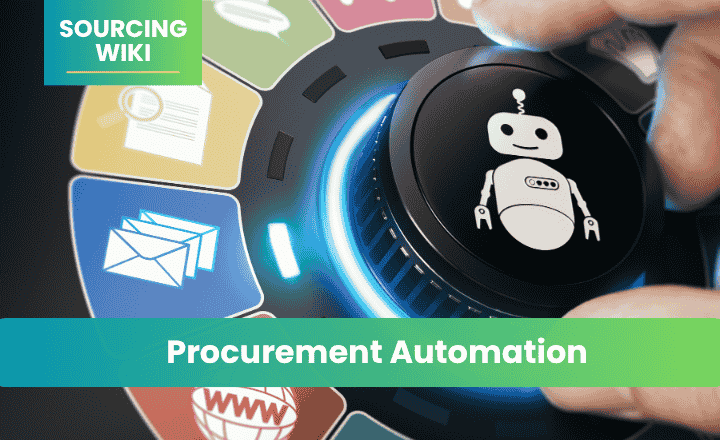
The Strategic Imperative of Procurement Automation
In the modern enterprise, procurement has evolved from a back-office administrative function into a critical driver of competitive advantage. Procurement automation—the use of technology to streamline and digitize the end-to-end "Source-to-Pay" (S2P) process—is no longer a luxury; it is a foundational requirement for operational resilience.
1. The Technological Pillars
To understand procurement automation, one must look beyond simple digitizing of paper forms. It is powered by a synergy of advanced technologies:
Robotic Process Automation (RPA): Handles high-volume, repetitive tasks such as invoice processing and data entry with near-zero error rates.
Artificial Intelligence (AI) & Machine Learning: Enables "Intelligent Spend Analysis," identifying patterns in global spending to predict market fluctuations and suggest optimal sourcing timings.
Cloud-Native Platforms: Facilitates real-time collaboration between stakeholders and suppliers across different geographies.
2. Strategic Value and ROI
The transition to an automated ecosystem yields benefits that extend far beyond mere efficiency:
Enhanced Spend Visibility: Automation eliminates "Maverick Spend" (unauthorized purchasing) by ensuring all transactions pass through approved channels, providing leadership with 100% transparency.
Strategic Sourcing: By automating tactical execution, procurement professionals can shift their focus to high-value activities, such as supplier relationship management (SRM) and innovation scouting.
Risk Mitigation: Automated systems can continuously monitor supplier compliance and geopolitical risks, triggering alerts before disruptions occur in the supply chain.
3. Addressing Implementation Challenges
Despite the clear benefits, the path to full automation requires navigating complex hurdles:
Data Silos: Integration with legacy ERP (Enterprise Resource Planning) systems remains a significant technical barrier.
Change Management: The "human element" is often the most difficult to manage. Teams must be upskilled to transition from "buyers" to "data analysts."
Data Quality: Automation is only as effective as the data feeding it. "Garbage in, garbage out" remains a critical risk.
4. The Future: Cognitive Procurement
We are moving toward the era of Cognitive Procurement, where systems do not just follow rules but make autonomous recommendations. Future platforms will utilize blockchain for immutable contract management and predictive ESG (Environmental, Social, and Governance) tracking to ensure ethical supply chains.
Conclusion
Procurement automation is the bridge between operational survival and strategic mastery. Organizations that embrace this digital shift will not only reduce costs but will gain the agility necessary to thrive in an increasingly volatile global market.
Related Knowledge Base
Sourcing Practices & Insights: Procurement Automation
Latest Sourcing Guides


Commencer aujourd'hui
Transformons vos objectifs d'approvisionnement en réalitéWeChat:+86 15157124615
WhatsApp:+86 15157124615
Adresse : Bâtiment 10 #39 Xiangyuan Road, Hangzhou, Chine
