

Types of Procurement
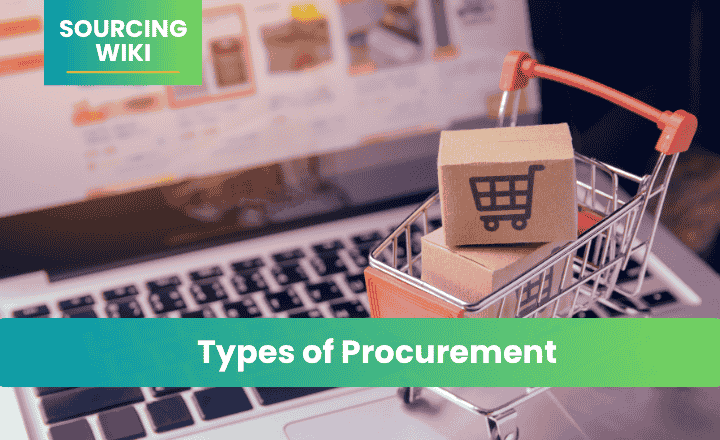
Types of Procurement (Conceptual Guide)
Types of procurement refer to the structured categories through which organizations acquire goods, services, or works from external suppliers. Understanding these categories is essential for cost control, risk management, compliance, and operational efficiency.
At a professional level, procurement is not a single process but a framework of sourcing strategies tailored to different business needs. The classification of procurement types helps organizations standardize decision-making and align purchasing activities with financial and strategic objectives.
1. Direct Procurement
Direct procurement involves purchasing raw materials, components, or goods that are directly incorporated into a company’s final product. This type is most common in manufacturing and production-driven industries.
Because direct procurement impacts product quality, production continuity, and cost of goods sold (COGS), it requires rigorous supplier evaluation, long-term contracts, and supply chain resilience planning. Any disruption in direct procurement can immediately affect revenue.
2. Indirect Procurement
Indirect procurement covers goods and services that support business operations but are not part of the final product. Examples include office supplies, IT services, marketing tools, and maintenance services.
Although often perceived as lower priority, indirect procurement significantly affects operational efficiency and overhead costs. Mature organizations typically implement spend management systems and procurement policies to control this category.
3. Goods Procurement
Goods procurement focuses on acquiring tangible products. This can include both direct and indirect items, such as machinery, inventory, or consumables.
Key considerations include inventory management, logistics coordination, quality assurance, and supplier reliability. Procurement teams often rely on forecasting models and supplier audits to optimize performance in this category.
4. Services Procurement
Services procurement involves contracting external providers for intangible deliverables, such as consulting, logistics, legal services, or outsourcing.
Unlike goods procurement, evaluation criteria here emphasize expertise, service-level agreements (SLAs), performance metrics, and relationship management. Governance and clear contract terms are critical to avoid scope creep and cost overruns.
5. Works Procurement
Works procurement relates to construction and infrastructure projects, such as building facilities or large-scale installations.
This type is typically governed by strict regulatory frameworks, detailed project specifications, and milestone-based payments. Risk management, compliance, and contractor qualification are central to successful execution.
Strategic Importance
Understanding the different types of procurement enables organizations to apply appropriate sourcing strategies, optimize supplier relationships, and reduce financial and operational risks. In modern supply chains, procurement is increasingly data-driven and integrated with enterprise resource planning (ERP) systems.
A well-structured procurement approach is not only about purchasing efficiency but also about building sustainable, transparent, and resilient supply networks.
Related Knowledge Base
Sourcing Practices & Insights: Types of Procurement
Latest Sourcing Guides
Commencer aujourd'hui
Transformons vos objectifs d'approvisionnement en réalitéWeChat:+86 15157124615
WhatsApp:+86 15157124615
Adresse : Bâtiment 10 #39 Xiangyuan Road, Hangzhou, Chine
