

Construction Procurement
Concept Definition
Construction procurement encompasses the processes, methods, and contractual arrangements through which construction project owners acquire the design services, construction labor, materials, equipment, and specialty trades required to deliver building and infrastructure projects. It is a specialized domain within procurement that reflects the unique characteristics of the construction industry—including project-based delivery, complex stakeholder ecosystems, significant capital investment, and inherent risk related to quality, schedule, and budget performance.
Project Delivery and Procurement Methods
The selection of a procurement method—also referred to as a project delivery method—is among the most consequential decisions a project owner makes. The traditional design-bid-build approach separates the design and construction phases sequentially: the owner engages an architect or engineer to complete the design, then solicits competitive bids from contractors to build the designed facility. This method provides the owner with a complete design before committing to construction costs, but the sequential process can extend project timelines and limit contractor input during design.
Design-build procurement integrates design and construction responsibilities under a single entity, enabling concurrent design and construction activities that can compress schedules and encourage innovation. The owner contracts with a single design-build firm or team that assumes responsibility for both design adequacy and construction performance. This approach transfers significant risk to the design-builder but requires the owner to relinquish some design control and to clearly articulate performance requirements at the outset.
Construction management at risk is a hybrid approach in which the owner engages a construction manager early in the design process to provide preconstruction services—including cost estimating, constructability review, and schedule planning—before the construction manager assumes the risk of delivering the project within a guaranteed maximum price. This method provides the owner with professional construction input during design while transferring cost and schedule risk during construction.
Integrated project delivery represents a more collaborative model in which the owner, architect, and contractor enter into a multiparty agreement that aligns incentives through shared risk and reward mechanisms. This approach emphasizes collaboration, transparency, and joint problem-solving, with financial outcomes tied to project success rather than individual performance.
Material Procurement and Supply Chain Management
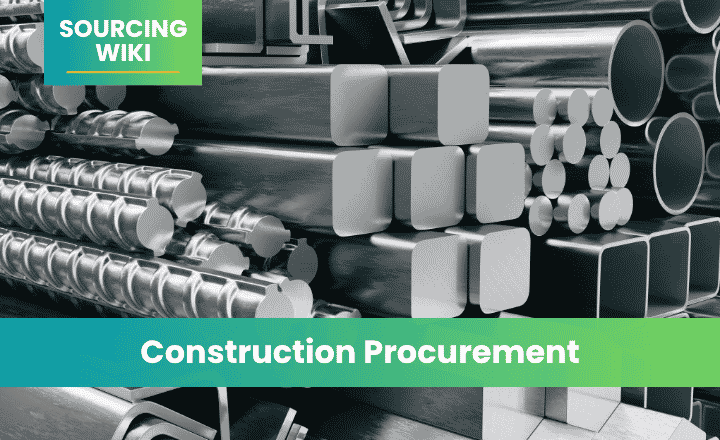
Material procurement in construction involves sourcing and managing the extensive range of building materials, components, and systems required for project completion. Construction material procurement must contend with price volatility in commodities such as steel, lumber, concrete, and copper; long lead times for manufactured components and specialty equipment; quality assurance requirements that vary by application and regulatory jurisdiction; and logistics challenges associated with delivering materials to active construction sites on precise schedules.
Contractor and Subcontractor Selection
Contractor and subcontractor selection processes in construction typically combine prequalification assessment with competitive bidding. Prequalification evaluates contractors' financial capacity, bonding capability, safety records, relevant experience, and available resources before inviting them to bid. Bid evaluation considers not only price but also proposed schedules, key personnel qualifications, past project performance, and approach to risk management.
Contracting Structures and Risk Allocation
Contractual arrangements in construction procurement allocate risk, define payment mechanisms, and establish performance obligations. Common contract types include lump sum contracts that fix the total price, unit price contracts that establish rates for measured quantities of work, and cost-plus contracts that reimburse actual costs plus an agreed fee. Each contract type distributes cost risk differently between owner and contractor, and the choice depends on project complexity, design completeness, and the owner's risk tolerance.
Conclusion
Effective construction procurement requires deep industry knowledge, strong project management capabilities, and the ability to navigate the complex legal, regulatory, and practical considerations unique to the built environment.
Related Knowledge Base
Sourcing Practices & Insights: Construction Procurement
Latest Sourcing Guides

Commencer aujourd'hui
Transformons vos objectifs d'approvisionnement en réalitéWeChat:+86 15157124615
WhatsApp:+86 15157124615
Adresse : Bâtiment 10 #39 Xiangyuan Road, Hangzhou, Chine
