How to Reduce Procurement Costs
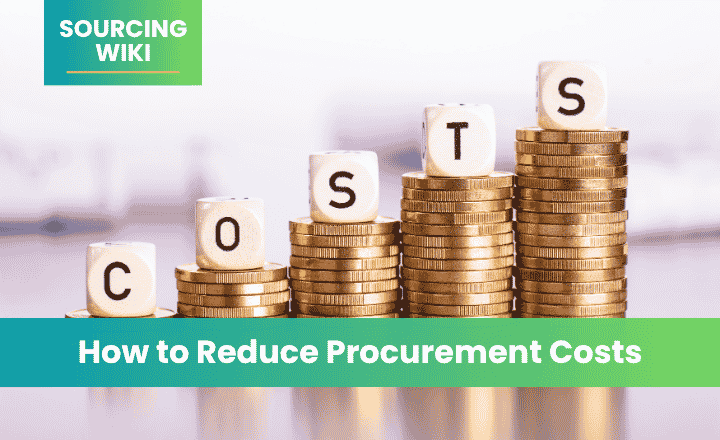
Concept Definition
Reducing procurement costs is a primary objective for organizations seeking to improve profitability, operational efficiency, and competitive positioning. Effective cost reduction in procurement requires a disciplined, multi-dimensional approach that goes beyond simple price negotiation to address the full range of factors that determine what an organization actually pays for the goods and services it acquires.
Spend Visibility as the Foundation
The starting point for any meaningful cost reduction effort is comprehensive spend visibility. Organizations cannot reduce costs they cannot see. Conducting a thorough spend analysis—aggregating, cleansing, and classifying purchasing data across all business units, payment systems, and procurement channels—reveals the true picture of organizational expenditure. This analysis identifies where money is being spent, with which suppliers, under what terms, and whether purchases align with negotiated contracts. Many organizations discover that a significant portion of their spending occurs outside contracted arrangements, at prices higher than necessary.
Supplier Consolidation and Volume Leverage
Supplier consolidation represents one of the most reliable cost reduction strategies. When an organization's spend in a given category is fragmented across numerous suppliers, it loses the leverage that comes with concentrated purchasing volume. By reducing the supply base to a smaller number of qualified, competitive vendors and directing volume to preferred suppliers, organizations can negotiate better pricing, reduce administrative costs associated with managing multiple relationships, and achieve greater consistency in quality and service.
Negotiation and Total Cost Optimization
Strategic negotiation, informed by market intelligence and competitive benchmarking, drives direct price improvements. Effective procurement negotiation goes beyond simply requesting lower prices—it involves understanding supplier cost structures, identifying areas where suppliers have flexibility, developing alternative sourcing options that create competitive pressure, and structuring agreements that incentivize cost reductions over the contract term. Total cost of ownership analysis strengthens negotiation positions by quantifying the full economic impact of purchasing decisions, including logistics, quality, maintenance, and disposal costs that may not be reflected in the unit price.
Demand Management and Specification Control
Demand management attacks costs at the source by challenging whether purchases are necessary, whether specifications can be simplified, and whether less expensive alternatives can meet functional requirements. Standardizing products and specifications across the organization eliminates unnecessary variety that drives up costs through small-volume orders, unique tooling, and excess inventory. Involving procurement early in the specification process—before requirements are locked—creates opportunities to influence design decisions that have significant cost implications.
Process Efficiency and Technology Enablement
Process automation and technology adoption reduce the transactional costs of procurement operations. Manual purchasing processes consume staff time, introduce errors, and delay transactions. E-procurement platforms, automated approval workflows, electronic invoicing, and procurement card programs streamline operations, reduce processing costs per transaction, and free procurement professionals to focus on strategic cost reduction activities rather than administrative tasks.
Contract Compliance and Cost Leakage Control
Contract compliance management ensures that the cost reductions negotiated in supplier agreements are actually realized in practice. Organizations frequently experience cost leakage when end users purchase from non-contracted suppliers, fail to apply negotiated discounts, or deviate from agreed specifications. Implementing controls that direct purchasing through preferred channels and monitoring compliance with contractual terms protects hard-won savings.
Supplier Collaboration and Value Creation
Collaborative cost reduction with strategic suppliers can unlock savings that neither party could achieve independently. Joint value engineering, shared process improvements, co-investment in automation, and collaborative demand forecasting reduce costs across the supply chain while strengthening the supplier relationship. These approaches require transparency and trust but often yield sustainable savings that exceed what adversarial negotiation can produce.
Payment Optimization and Financial Levers
Payment term optimization represents an often-overlooked cost reduction opportunity. Negotiating early payment discounts, optimizing payment timing to capture available discounts while managing cash flow, and implementing dynamic discounting programs can generate meaningful financial benefits from the accounts payable process.
Sustainable Cost Reduction Strategy
Sustainable procurement cost reduction avoids short-term savings that create long-term problems. Aggressive price pressure that forces suppliers below sustainable margins can result in quality deterioration, supply disruptions, or supplier failure. The most effective cost reduction programs balance price competitiveness with supplier health, ensuring that savings are durable and that the supply base remains capable and motivated to deliver value.
Related Knowledge Base
Sourcing Practices & Insights: How to Reduce Procurement Costs
Latest Sourcing Guides



Get Started Today
Let's Turn Your Sourcing Goals into RealityWeChat:+86 15157124615
WhatsApp:+86 15157124615
Address:Building 10 #39 Xiangyuan Road, Hangzhou, China