

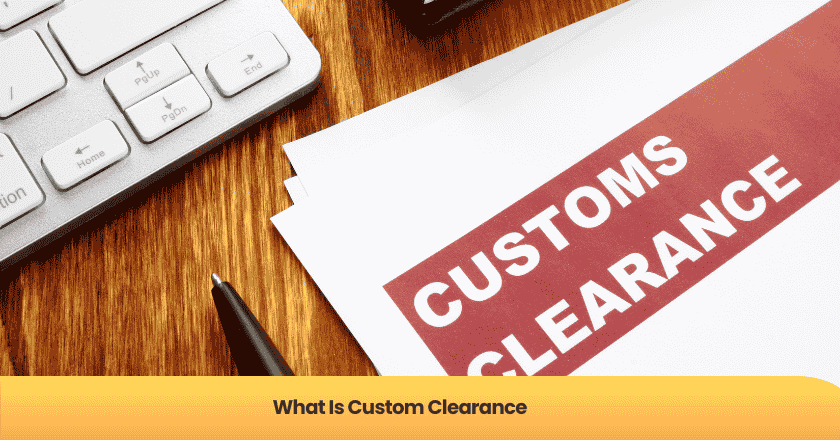
You may wonder whats custom clearance. This process involves preparing and submitting documents to authorities so you can move goods across borders. Customs clearance ensures your shipments meet all regulations and pay the necessary duties. Without proper customs procedures, your products may experience costly delays or even rejection at the border.
Key Takeaways
- Customs clearance is essential for moving goods across borders. It involves submitting documents and paying duties to comply with regulations.
- Prepare all required documents before shipping. This includes invoices, packing lists, and certificates to avoid delays.
- Accurate customs declarations are crucial. Mistakes can lead to shipment rejection or extra costs, so double-check your paperwork.
- Stay informed about changing customs regulations. Each country has different requirements that can affect your shipments.
Whats custom clearance
Customs clearance explained
You encounter the term "whats custom clearance" when you move goods across international borders. Customs clearance refers to the official authorization that allows your products to enter or leave a country. You must follow a specific process to comply with customs regulations. This process involves submitting documents, declaring the value and type of goods, and paying duties or taxes. Customs officers review your paperwork and inspect your shipment to ensure everything matches the declaration.
You need to understand customs clearance because it affects both import and export activities. Customs authorities check your goods for compliance with safety, health, and trade laws. You must provide accurate information about your shipment. If you make mistakes, customs may delay or reject your goods. You should prepare all documents before shipping to avoid problems.
Tip: Always double-check your customs paperwork before submitting it. Missing or incorrect details can cause delays in the clearance process.
Here is a simple breakdown of the customs clearance process:
1. Prepare all required documents for customs.
2. Submit your paperwork to customs authorities.
3. Pay any duties, taxes, or fees.
4. Wait for customs officers to inspect your goods.
5. Receive approval for your shipment to move forward.
You must follow these steps for every shipment. Customs clearance applies to both import and export transactions. You should learn the rules for each country to avoid surprises.
Why customs clearance matters
You cannot ignore customs clearance if you want to succeed in international trade. Customs clearance protects your business from legal issues and financial losses. Customs management ensures that your goods meet all regulations and standards. You must comply with customs rules to avoid penalties or confiscation.
Customs clearance matters for several reasons:
- Legal compliance: You must follow customs laws to avoid fines or legal action.
- Timely delivery: Proper clearance prevents delays at the border.
- Cost control: Accurate customs paperwork helps you avoid extra fees or unexpected charges.
- Reputation: Smooth customs clearance builds trust with your customers and partners.
| Customs Clearance Benefit | Description |
|---|---|
| Legal Protection | You avoid penalties by following customs rules. |
| Faster Shipping | You reduce delays with complete paperwork. |
| Cost Savings | You prevent extra charges by declaring goods correctly. |
| Business Growth | You expand into new markets with reliable customs management. |
You should treat customs clearance as a priority in your supply chain. Customs officers rely on your honesty and accuracy. You must keep up with changing regulations to stay competitive. If you understand whats custom clearance, you can plan better and avoid costly mistakes.
You see customs clearance as more than a formality. It is a critical step in moving goods across borders. You must master the customs clearance process to protect your business and ensure smooth operations.
Customs clearance process
Steps in customs clearance
You need to understand the key steps in the customs clearance process to move your goods across borders without delays. The process starts before your shipment leaves the origin country and ends when your goods receive shipment release and get cleared by customs. Here is a step-by-step customs clearance process you can follow for both import and export activities:
1. Document Preparation
Gather all required documents before shipping. These include invoices, packing lists, and certificates. Proper customs documentation helps you meet customs requirements and avoid delays.
2. Customs Declaration Submission
Submit a declaration to customs authorities. You must provide accurate details about your goods, including value, quantity, and description. This step is crucial for efficient customs clearance management.
3. Customs Review and Assessment
Customs officers review your paperwork and inspect your shipment. They check if your goods meet customs clearance requirements and verify your declaration.
4. Duty and Tax Payment
Pay any duties, taxes, or fees required by customs. The amount depends on the type and value of your goods.
5. Inspection and Verification
Customs may inspect your shipment to ensure compliance with regulations. If everything matches your declaration, your goods move to the next step.
6. Shipment Release
Once customs approve your documents and payment, they grant shipment release. Your goods are now cleared by customs and can enter the destination country.
Tip: You should always track your shipment status and stay in contact with your logistics provider to ensure smooth customs clearance.
Understanding how customs clearance works helps you avoid unnecessary delays and costs. Each country may have different customs requirements, so you must check the rules for your specific route.
Required documents
You must prepare the correct import documents to meet customs requirements. Missing or incorrect paperwork can stop your shipment at the border. Here are the most common required documents for customs clearance:
- Commercial Invoice
This document lists the value, quantity, and description of your goods. Customs use it to assess duties and taxes.
- Packing List
The packing list details the contents, weight, and packaging of your shipment. It helps customs verify your declaration.
- Bill of Lading or Airway Bill
This transport document proves ownership and provides shipment details.
- Certificate of Origin
Some countries require this document to confirm where your goods were made.
- Import or Export Licenses
Certain products need special licenses to meet customs clearance requirements.
- Insurance Certificate
This document shows your goods have insurance coverage during transit.
You should check the customs requirements for your destination country. Customs documentation may vary depending on the type of goods and the countries involved.
Common challenges
You may face several challenges during the customs clearance process. Mistakes can lead to delays, extra costs, or even confiscation of your goods. Here are some common issues and tips to avoid them:
- Incomplete or Incorrect Documentation
If you submit incomplete or inaccurate customs documentation, customs may reject your shipment. Double-check all forms and details before submission.
- Misclassification of Goods
Using the wrong product codes or descriptions can result in higher duties or penalties. You should use the correct classification for your goods.
- Unpaid Duties or Taxes
Failing to pay the required fees can delay shipment release. Always confirm the amount and pay on time.
- Changing Customs Regulations
Customs requirements can change frequently. Stay updated on the latest rules for your import or export route.
- Lack of Communication
Poor communication with your logistics provider or customs broker can cause misunderstandings. Keep all parties informed throughout the process.
Note: Efficient customs clearance management depends on your attention to detail and proactive planning. You can achieve smooth customs clearance by preparing early and staying organized.
You must treat customs management as a priority for all international shipments. By understanding the key steps in the customs clearance process and preparing the right documents, you reduce risks and ensure your goods move quickly across borders.
You need a clear understanding of customs clearance to manage both import and export activities successfully. Staying organized helps you avoid delays and costly mistakes. When you face complex import or export regulations, consider seeking help from professionals. You improve your business efficiency and protect your shipments by preparing early and staying informed.
FAQ
What happens if you submit incorrect customs documents?
Customs may delay or reject your shipment. You could face fines or extra fees. Always review your paperwork before submission.
Do you need a customs broker for every shipment?
You do not always need a customs broker. For complex shipments or unfamiliar regulations, a broker can help you avoid mistakes.
How long does customs clearance usually take?
Customs clearance can take a few hours to several days. The time depends on the country, shipment type, and document accuracy.
Can you track your shipment during customs clearance?
Yes, you can track your shipment status. Most logistics providers offer tracking tools. Stay in contact with your provider for updates.
NewBuyingAgent
Related Resources

Get Started Today
Let's Turn Your Sourcing Goals into RealityWeChat:+86 15157124615
WhatsApp:+86 15157124615
Address:Building 10 #39 Xiangyuan Road, Hangzhou, China
