

Introduction
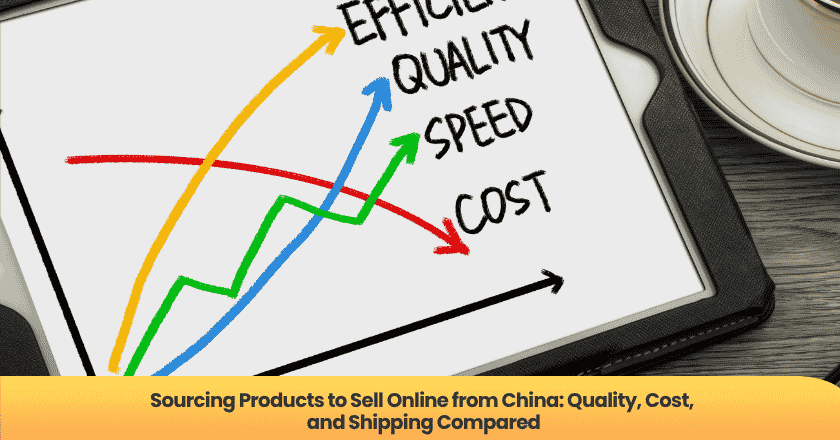
Three forces decide whether an online product makes money, and they pull against each other. Push too hard on cost and quality slips. Chase the highest quality and your price stops competing. Pick the cheapest shipping and your customers wait so long they cancel. Every seller sourcing from China is balancing quality, cost, and shipping at once, whether they realize it or not, and the ones who treat the three as a single connected system tend to outlast the ones who fixate on a single number.
Sourcing products to sell online is rarely about winning on one dimension. It is about finding the balance that fits your product, your market, and your customers' expectations. A premium brand and a budget store make opposite trade-offs and both can profit, because each has matched the three forces to who they serve. The mistake is optimizing one in isolation and discovering, too late, what it quietly cost you in the other two.
This compares the three head to head. What quality really costs and protects, where the true cost of a product hides, how shipping trades speed against price, and how the three interact so a win in one does not become a loss in another. The aim is a clear framework for striking the balance on purpose rather than by accident.
Key Takeaways
• Quality, cost, and shipping form a connected system where pushing hard on any one dimension quietly pressures the other two, so the goal is a deliberate balance rather than victory on a single isolated number.
• Quality is cheaper to protect than to recover, since the inspection and clear specs that prevent defects cost far less than the returns, refunds, and reputation damage that a bad batch inflicts on an online store.
• The cost that matters is full landed cost, not the factory quote, because shipping, duties, fees, and returns can quietly erase a tempting unit price long before the product ever reaches a paying customer.
• Shipping trades speed against price directly, so the right mode depends on whether your customers and cash flow can tolerate a slow, cheap ocean route or demand the fast, costly air option instead.
• The correct balance is set by your market, not by a universal rule, since a premium brand and a budget seller optimize the three forces in opposite directions and both succeed by matching them to who they serve.
Quality: Cheaper to Protect Than to Recover
Quality is the dimension sellers are most tempted to compromise because the savings are immediate and the costs are delayed. That delay is exactly the trap. The money you save cutting quality tends to come back larger, and later, as returns and lost trust.
What Poor Quality Actually Costs
A defective product is not one cost but a cascade. Returns and refunds eat the margin directly. Negative reviews drag down the listing that drives your sales. Customer service time piles up, and the trust you spent months building erodes in days. The short answer is that for an online store, where a review is public and permanent, the cost of poor quality is measured in reputation, not just refunds.
This is why quality is cheaper to protect than to recover. A clear spec sheet, a paid sample approved as the standard, and a pre-shipment inspection cost a fraction of what a single bad batch inflicts once it reaches customers. Set your AQL (acceptable quality limit, the defect rate an inspection passes) in writing so the standard is defined, not assumed, and the protection becomes a routine cost rather than a gamble.
Quality Is Relative to Your Market
Higher quality is not automatically the right call. The right quality is the level your market expects and will pay for. A budget store selling disposable items does not need premium materials, while a brand charging premium prices cannot survive on budget ones. Real talk: matching quality to your positioning matters more than maximizing it, because over-building a budget product wastes margin and under-building a premium one destroys trust.
Expert Tip: Define your quality standard from your customer's expectations backward, not from the factory's cheapest option forward. Write down what a satisfied buyer in your price tier expects to receive, then source to that bar exactly, neither over-spending on a budget line nor cutting corners on a premium one.
Cost: The Number That Hides Behind the Quote
Cost is the dimension sellers think they understand and usually do not. The factory quote is a fraction of what a product truly costs to sell online, and the gap between the two is where margins quietly disappear.
Landed Cost, Not Unit Price
Your real cost stacks several layers on the product price. Shipping, the duties that apply, inspection, and the per-piece share of any tooling all sit on top before the goods even reach you. Then come the selling costs, namely platform or payment fees, storage, returns, and advertising. A product that looks profitable on the factory quote can lose money once every layer is counted, which is why the full landed-cost calculation belongs before any order, not after.
Sourcing terms shape this too. Quotes often come on FOB (free on board, meaning the price covers goods loaded onto the vessel but not the ocean freight beyond) terms, so the quoted number stops at the Chinese port and everything after it is yours to arrange and pay. Knowing where a quote ends prevents an ugly surprise when the freight and clearance bills arrive on their own.
Where Cutting Cost Backfires
Not all cost-cutting is equal. Trimming a supplier's margin through better sourcing or a larger order is healthy. Cutting cost by accepting cheaper materials or skipping inspection is borrowing from quality, and that debt comes due in returns. Worth knowing: the cheapest unit price attached to a higher defect rate is usually more expensive than a slightly higher price that ships clean.
Common Mistake: Pricing your product to customers off the factory quote alone. Until shipping, duties, fees, and returns are added, you do not know your real margin, and setting a retail price on the sticker number is how online sellers accidentally run a store that sells briskly and still loses money.
Shipping: Speed Against Price
Shipping is the dimension sellers plan last and regret first. It trades speed directly against cost, and the right choice depends on what your customers and your cash flow can actually tolerate. Get it wrong and a great product arrives too late to matter.
Sea, Air, and the Trade-Off
Sea freight is economical and slow, which suits larger restocks of products you can plan ahead for. Air is fast and far pricier, which suits launch inventory or fast-moving items you cannot afford to wait on. Most online sellers end up using both, sea for planned bulk and air for urgent gaps. The trade-off is rarely about finding a cheaper option in the abstract. It is about matching the mode to how much speed each particular order actually needs.
Small orders carry a hidden shipping penalty. The per-unit freight on a tiny standalone shipment can be brutal, which is one reason consolidating goods from several suppliers into one shipment, or using a partner who consolidates, often makes the math work where a solo small shipment would not. The freight line, not the unit price, is frequently what decides whether a small order is viable at all.
Common Mistake: Planning shipping last, after quality and cost are locked. By then your timeline is fixed and air freight becomes the only option that meets it, blowing up the cost you carefully optimized. Decide the shipping mode early, while you can still shape the order around an affordable route rather than rescuing a late one.
Shipping Shapes Cash Flow and Customers
Shipping choice ripples into the rest of the business. Slow sea freight ties up cash in inventory for weeks in transit, while fast air frees cash sooner but costs more per unit. On the customer side, an online buyer who waits too long for restocked stock simply buys elsewhere. The shipping decision is never only about freight cost. It touches how much cash you have working and whether your shelves stay full enough to keep customers.
Balancing All Three for Your Market
The three forces only make sense together. Optimizing one in isolation is the core mistake, because each pull affects the others. The skill is setting the balance deliberately, matched to the specific customers you are trying to win.
Why Optimizing One Backfires
Chase the lowest cost and you usually sacrifice quality, which returns as refunds and bad reviews. Demand the highest quality and your price may stop competing. Pick the cheapest shipping and customers wait until they cancel. Each dimension, pushed alone, pressures the other two. The sellers who last treat the three as one system and tune the balance, rather than winning a single number and losing the order.
Your market sets the balance. A premium brand weights quality and accepts higher cost and faster shipping to protect the experience. A budget seller weights cost and tolerates slower shipping and standard quality. Neither is wrong, because each has matched the three forces to what their customers actually value. Copying another seller's balance without sharing their market is how the trade-off goes wrong.
The 2026 Toolkit for the Balance
Striking the balance keeps getting easier to do well. Through 2026, AI-assisted supplier matching, digital production tracking, and clearer landed-cost tools let sellers compare quality, cost, and shipping trade-offs faster and with more transparency than before. Modeling how a cheaper supplier or a faster shipping mode changes the whole picture now takes minutes rather than guesswork.
The judgment underneath still matters most. Reading whether a supplier can actually hold quality, and deciding which trade-off fits your customers, remain human calls no tool makes for you. The strongest online sellers in 2026 use the new tools to see the three forces clearly and reserve their own judgment for setting the balance, which is the decision that quietly determines whether a product profits.
Balancing the Three With NewBuyingAgent
Holding quality, cost, and shipping in balance at once is hard alone, which is exactly where a partner that spans all three earns its place. NewBuyingAgent is a strong partner for global sourcing from China, backed by 30 years of expertise in trade, manufacturing and quality control. On reach, that experience opens doors a single seller cannot: it draws on its 50,000+ cooperated partner factories—with no language, region, or time zone barriers—and its local reputation gets you full factory cooperation. On the quality side, the depth is built in, as its 20,000+ product development and QC experts ensure your products match market needs and stay high-quality. On cost, the network keeps your price competitive, since its wide factory network lets it pick low-cost, high-cooperation suppliers, and even with its margin included, it cuts your costs by 5%-10%. And with the sourcing and coordination handled, your time goes back to running the store. NewBuyingAgent handles all factory communication—ideal for multi-category buyers—freeing up your time to focus on expanding your local market sales.
Frequently Asked Questions
Should I prioritize quality, cost, or shipping when sourcing?
None of them in isolation. The three form a connected system, so pushing hard on one pressures the other two. The right balance depends on your market, since a premium brand weights quality while a budget seller weights cost. Define the balance from what your specific customers value, then source to that target rather than maximizing a single dimension.
Why is poor quality so expensive for an online store?
Because the cost cascades. Returns and refunds eat margin, negative reviews drag down the listing that drives sales, and trust built over months erodes in days. A review is public and permanent, so the damage outlasts the bad batch. Inspection and clear specs cost a fraction of recovery, which is why quality is far cheaper to protect than to repair.
What costs do sellers forget when sourcing from China?
The ones hidden behind the factory quote. Shipping, duties, inspection, and tooling sit on top of the unit price, then platform fees, payment processing, storage, returns, and advertising stack on the selling side. A product profitable on the quote can lose money once every layer is counted, so the full landed-cost math has to happen before you commit to an order.
How do I choose between sea and air shipping?
Match the mode to how much speed the order needs. Sea is economical and slow, suiting planned bulk restocks, while air is fast and pricier, suiting launch inventory or urgent gaps. Most sellers use both. Remember that small standalone shipments carry brutal per-unit freight, so consolidating with other goods often makes a small order viable where it otherwise would not be.
How does shipping affect more than just cost?
It shapes cash flow and customer retention. Slow sea freight ties up cash in inventory for weeks in transit, while faster air frees cash sooner at higher cost. On the customer side, buyers who wait too long for restocks shop elsewhere. The shipping decision touches how much cash you have working and whether your shelves stay full enough to hold customers.
How is balancing these trade-offs changing in 2026?
Through 2026, AI-assisted supplier matching, digital production tracking, and clearer landed-cost tools let sellers compare quality, cost, and shipping trade-offs faster and more transparently. Modeling how a change in one ripples through the others takes minutes now. The judgment of reading supplier quality and choosing the right balance stays human, so the best sellers pair the tools with experience.
Conclusion
Quality, cost, and shipping are not three separate decisions but three sides of one. Squeeze cost and quality slips into returns. Maximize quality and the price stops competing. Cut shipping and customers cancel before the product arrives. The sellers who build lasting online stores understand this connection in their bones and tune the three together, deliberately, rather than chasing a single number and absorbing the hidden cost in the other two. The winning move is balance set on purpose, not a victory on one dimension paid for by a loss on the others.
That balance is personal to your business. There is no universal right answer, only the right answer for your product, your market, and the customers you serve. A premium brand and a budget store make opposite trade-offs and both thrive, because each matched the three forces to who they are selling to. Get clear on your own market, weigh quality, cost, and shipping against it honestly, and lean on partners for the parts where balancing all three at once is more than one person can hold. Do that, and sourcing stops being a series of risky bets and becomes a system you can tune as your business grows.
NewBuyingAgent
Related Resources


Get Started Today
Let's Turn Your Sourcing Goals into RealityWeChat:+86 15157124615
WhatsApp:+86 15157124615
Address:Building 10 #39 Xiangyuan Road, Hangzhou, China
