

OEM vs. ODM Sourcing
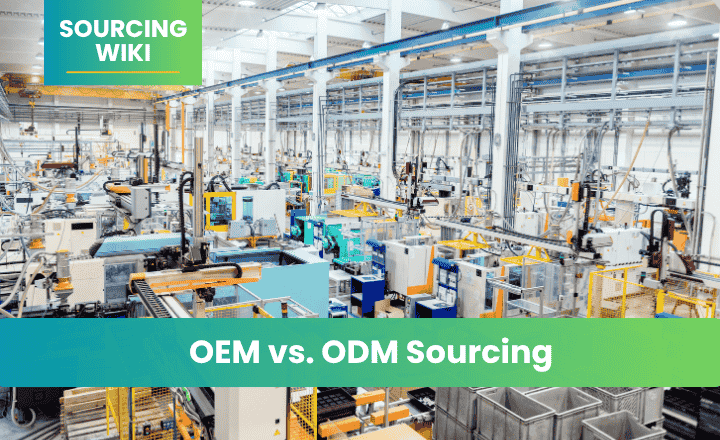
In the world of B2B manufacturing, businesses generally choose between two primary production models: Original Equipment Manufacturing (OEM) and Original Design Manufacturing (ODM). The choice depends on whether the buyer provides the design or selects a pre-existing product to customize.
At NewBuyingAgent, we act as the strategic bridge for both models; whether you are building a unique invention from scratch (OEM) or looking to rapidly launch a private-label brand by tweaking an existing factory design (ODM), we manage the technical verification to ensure your "micro-innovations" are feasible and cost-effective.
Understanding the Two Models
| Feature | OEM (Original Equipment Manufacturing) | ODM (Original Design Manufacturing) |
|---|---|---|
| Design Ownership | The Buyer owns the design/IP. | The Factory owns the base design. |
| Tooling/Molds | Paid for and owned by the Buyer. | Usually owned by the Factory. |
| Development Time | Long (6–12 months). | Short (1–3 months). |
| Upfront Cost | High (R&D and mold costs). | Low (Minimal setup fees). |
| Customization | Unlimited; 100% bespoke. | Limited to "White Label" tweaks. |
1. OEM Sourcing: "Made to Order"
In an OEM setup, the factory is purely a "production arm." The buyer provides the Product Specification Sheet, CAD drawings, and materials list.
- Best for: Innovative startups, unique patented products, or established brands with specific engineering requirements.
- Key Challenge: High risk of IP theft and high initial investment in molds.
2. ODM Sourcing: "Private Labeling"
In an ODM setup, the factory has already designed and tested a product. The buyer simply adds their logo, changes the color, or modifies the packaging.
- Best for: E-commerce sellers (Amazon/Shopify), promotional gifts, or businesses wanting to test a market quickly.
- Key Challenge: Low differentiation; your competitors may be selling the exact same product with a different logo.
NewBuyingAgent's Expertise: Navigating the "Hybrid" Model
Most modern sourcing is actually a "Hybrid" of these two. NewBuyingAgent helps clients navigate this middle ground:
- ODM+ Customization: We help you find a high-quality ODM product and negotiate "micro-innovations"—such as upgrading a specific internal component or changing a material—to differentiate your product without the massive cost of a full OEM mold.
- IP Protection: For OEM projects, we facilitate Non-Disclosure Agreements (NDAs) and ensure that your custom molds are physically tagged and legally protected within the factory.
- Factory Matching: Not all factories are good at both. We vet suppliers to ensure an OEM factory has strong R&D engineers, while an ODM factory has a stable, "off-the-shelf" catalog with proven reliability.
Essential Considerations & Warnings
- Mold Ownership: In OEM, always get a written agreement that the mold belongs to you. If you want to move production to a different factory later, you must be able to take your mold with you.
- MOQ Differences: ODM typically has lower Minimum Order Quantities (MOQs) because the factory already produces the item. OEM requires much higher volumes to justify the production line setup.
- Certification Risks: For ODM, always verify that the factory's existing certifications (CE, UL, etc.) actually cover the specific model you are buying, especially if you change any electrical components.
Related Knowledge Base
Sourcing Practices & Insights: OEM vs. ODM Sourcing
Latest Sourcing Guides
今日始める
あなたの調達目標を現実に変えましょうWeChat:+86 15157124615
WhatsApp:+86 15157124615
住所:中国、杭州、祥園路39号10号館
