

Cargo Damage in Transit
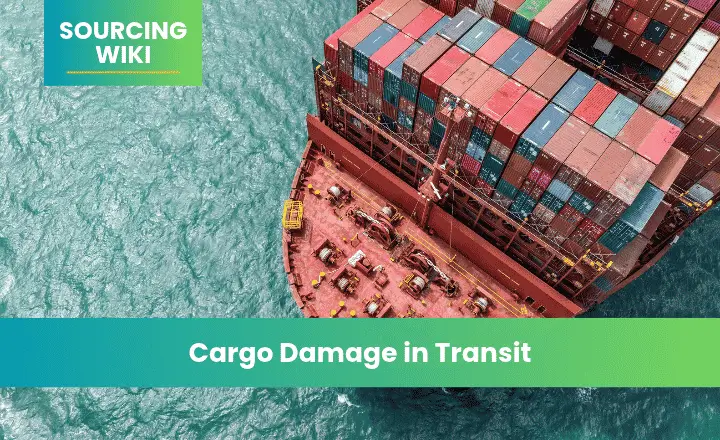
Cargo damage in transit refers to physical deterioration, contamination or other damage that occurs to goods during transportation from the place of dispatch to the destination.
International shipments may pass through several stages, including factory loading, inland transportation, port handling, ocean or air freight, transshipment and final delivery. At each stage, goods may be exposed to handling impacts, vibration, moisture, temperature changes and other transportation conditions.
For importers, understanding cargo damage is important because the condition of the goods upon arrival may affect their usability, resale value and delivery plans. It is also necessary to distinguish damage that occurred during transportation from defects that already existed before shipment.
What Is Cargo Damage in Transit?
Cargo damage in transit occurs when goods are damaged, deteriorated or contaminated while being transported or handled as part of the transportation process.
It may affect the products themselves, their packaging or both.
For example:
- Electronic products may arrive with cracked screens or damaged components.
- Furniture may have broken corners, scratches or damaged surfaces.
- Textiles may develop water stains or mildew.
- Metal products may show corrosion after exposure to moisture.
- Cartons may be crushed, torn or punctured during handling.
Cargo damage does not always mean that the entire shipment is unusable. Some goods may be partially damaged, while others may remain in acceptable condition.
It is also important to distinguish cargo damage from cargo loss. Damage means the goods have been affected but remain identifiable, while loss generally means that some or all of the goods are missing or have not been delivered.
Common Types of Cargo Damage
Cargo damage can take different forms depending on the product, packaging, transportation method and environmental conditions.
| Type of Damage | Description | Examples |
|---|---|---|
| Physical damage | Goods are broken, crushed, scratched or deformed | Broken furniture, cracked glassware, dented metal products |
| Water damage | Goods are affected by rainwater, seawater or condensation | Wet cartons, water-stained textiles, corroded metal parts |
| Temperature damage | Goods deteriorate because of unsuitable temperature conditions | Heat-sensitive products exposed to excessive temperatures |
| Contamination | Goods are affected by foreign substances, odors or other materials | Products contaminated by leaking liquids or chemical substances |
| Mold and mildew | Moisture conditions cause fungal growth or deterioration | Moldy packaging, textiles or wooden products |
| Shortage or partial loss | Some goods or packages are missing | Cartons missing from a shipment or incomplete delivery |
Different types of damage may occur together. For example, moisture entering a container may damage the outer cartons, cause corrosion to metal products and lead to mold on susceptible materials.
What Causes Cargo Damage During Transportation?
Cargo damage can result from several factors. The actual cause may involve more than one transportation stage or party.
Improper Packaging
Packaging needs to protect products against the conditions they are likely to encounter during transportation and handling.
Inadequate cushioning, weak cartons, unsuitable pallets or insufficient protection may leave goods vulnerable to impacts, compression and vibration.
For example, fragile products packed without sufficient internal cushioning may break when cartons are dropped or subjected to repeated movement.
The suitability of packaging depends on the product's weight, shape, fragility, stacking requirements and transportation conditions.
Improper Loading and Cargo Securing
Cargo may shift during transportation if it is not properly positioned, blocked, braced or secured.
In containerized shipping, gaps between packages, uneven weight distribution and insufficient securing materials can allow goods to move when the vessel or vehicle experiences acceleration, braking, rolling or vibration.
The IMO/ILO/UNECE Code of Practice for Packing of Cargo Transport Units (CTU Code) provides guidance on cargo packing, weight distribution and securing. It emphasizes that cargo should be packed and secured with the expected transportation conditions in mind.[1]
Rough Handling
Goods may be damaged during loading, unloading, lifting, stacking and transfers between transportation modes.
Common examples include:
- Forklift impacts during warehouse handling
- Dropped cartons during loading or unloading
- Excessive stacking pressure
- Improper lifting of fragile or oversized products
- Damage caused by unsuitable handling equipment
The more handling stages involved in a shipment, the more opportunities there may be for handling-related damage.
Moisture and Condensation
Moisture is a common concern in containerized ocean transportation.
Water damage may result from external water entering through damaged container structures or door seals. It may also develop through condensation inside a closed container.
When warm, moisture-laden air cools, water may condense on container surfaces or cargo. This phenomenon is commonly associated with container sweat and cargo sweat.
Depending on the materials involved, moisture may cause:
- Corrosion on metal products
- Mold or mildew on textiles and wooden goods
- Water stains on cartons and product surfaces
- Deterioration of paper-based packaging
- Damage to moisture-sensitive products
The CTU Code recommends considering cargo moisture content, packaging materials, ventilation and compatibility when planning container packing.[1]
Temperature Changes
Some goods are sensitive to temperature fluctuations during transportation.
If temperature conditions are not suitable, products may deteriorate, deform or lose their intended functionality.
Temperature-related damage may affect food products, chemicals, certain consumer goods and other temperature-sensitive cargo. The appropriate transportation conditions depend on the product's characteristics and handling requirements.
Theft, Pilferage and Unauthorized Access
Cargo may also be affected by theft or partial removal during transportation or storage.
Missing packages, broken seals and evidence of unauthorized access may indicate a security-related incident. However, a damaged seal alone does not establish that cargo has been stolen or that a particular party is responsible.
Cargo Damage vs. Product Defects Before Shipment
One important distinction for importers is whether the damage occurred during transportation or whether the products were already defective before dispatch.
These situations may require different investigations and involve different parties.
| Comparison | Product Defects Before Shipment | Cargo Damage in Transit |
|---|---|---|
| When it occurs | Before the goods leave the supplier or dispatch point | During transportation or related handling |
| Typical causes | Manufacturing defects, incorrect materials, poor workmanship or inadequate assembly | Impact, vibration, moisture, temperature changes or handling incidents |
| Example | A product has a defective switch before loading | A product arrives with a cracked housing after transportation |
| Relevant evidence | Production records, inspection findings, product samples and pre-shipment photographs | Loading records, transport documents, photographs, container condition and survey findings |
The distinction is not always straightforward.
For example, weak packaging may contribute to damage during transportation even when the products themselves were manufactured correctly. Similarly, an existing product defect may become more noticeable only after the goods arrive.
A reliable assessment should consider the condition of the products before dispatch, the packaging used, transportation records and the physical evidence available at destination.
Who May Be Responsible for Cargo Damage?
Responsibility for cargo damage depends on the cause of the damage, the transportation contract, applicable law and the evidence available.
Several parties may be involved in an international shipment.
| Party | Possible Area of Responsibility |
|---|---|
| Seller or manufacturer | Product condition, agreed packaging requirements and obligations under the sales contract |
| Packing or loading party | Packing methods, cargo positioning and securing within the transport unit |
| Freight forwarder | Responsibilities defined by its service agreement and role in arranging transportation |
| Carrier | Obligations under the applicable contract of carriage and relevant law |
| Warehouse or handling operator | Handling and storage activities within its contractual responsibilities |
| Buyer or consignee | Receiving arrangements, timely notification and obligations under the relevant contracts |
The party physically handling the cargo is not automatically the party legally responsible for the damage.
For example, a carrier may not be responsible for damage caused by inadequate packaging that existed before the cargo was handed over. Conversely, damage caused by improper handling during a carrier's custody may raise a different liability question.
Carrier liability can also be subject to contractual limitations, statutory rules, exclusions and time limits. Importers should review the applicable transport documents and obtain professional advice when a significant dispute arises.
Cargo Damage in Transit vs. General Average
Cargo damage and General Average are different maritime concepts, although both may arise from incidents during an ocean voyage.
| Item | Cargo Damage in Transit | General Average |
|---|---|---|
| Meaning | Goods are physically damaged, deteriorated or lost during transportation | Qualifying extraordinary sacrifices or expenditures are shared among relevant maritime interests |
| Typical example | Cartons are damaged by seawater entering a container | Cargo is deliberately jettisoned to protect the vessel and remaining cargo |
| Who may bear the cost? | Depends on insurance, contractual obligations and applicable liability rules | Contributing interests share the allowable amount under applicable rules |
| Insurance relevance | May be covered depending on the insured risks and exclusions | General Average contributions may be covered subject to policy terms |
For example, if one importer's cartons are damaged by water during a voyage, this may be an ordinary cargo damage claim.
If cargo is deliberately sacrificed to protect the vessel and other property, the incident may give rise to General Average.
The two concepts should not be treated as interchangeable.
How Can Importers Reduce the Risk of Cargo Damage?
Although transportation risks cannot be eliminated entirely, buyers can take practical steps before goods leave the supplier.
Confirm Product and Packaging Requirements
Product specifications should include relevant requirements for packaging, cushioning, carton strength, stacking and protection against moisture or other environmental conditions.
The packaging should be appropriate for the product and the intended transportation method.
Review Packaging Condition Before Dispatch
Before shipment, check whether cartons, pallets and protective materials are suitable for the goods.
Products with different fragility, weight or moisture sensitivity may require different packaging arrangements.
Consider Loading and Securing Arrangements
For containerized shipments, cargo should be distributed and secured appropriately to reduce movement during transportation.
The loading plan should take account of package dimensions, weight distribution, stacking limitations and compatibility between different cargoes.
Keep Shipment and Product Records
Retain relevant product specifications, packing lists, commercial invoices and available pre-shipment photographs.
These records can help establish the original condition and identity of the goods if damage is discovered later.
Understand the Insurance Arrangement
Confirm whether marine cargo insurance has been arranged, what risks are covered and which exclusions or conditions apply.
Do not assume that every type of transportation damage will automatically be covered.
Frequently Asked Questions
What is the most common type of cargo damage?
Cargo damage varies by product and transportation method. Physical damage and moisture-related damage are important concerns in containerized transportation. The actual risk depends on packaging, loading, securing and environmental conditions.
Can cargo be damaged even if the outer carton looks intact?
Yes. Products inside a carton may be affected by impact, vibration or compression even when there is no obvious external damage. The packaging and products should be checked according to the nature and fragility of the goods.
Is the seller responsible for cargo damage during shipping?
Not automatically. Responsibility depends on the sales contract, delivery terms, packaging obligations, transportation arrangements and applicable law. The relevant Incoterms® rule may help determine the allocation of delivery obligations, costs and risk, but it does not by itself settle every liability or insurance question.
Does marine cargo insurance cover all transportation damage?
No. Coverage depends on the policy wording, insured risks, exclusions and conditions. Importers should review their policy with the insurer or broker rather than assuming that all damage is covered.
Is damaged packaging always evidence of damaged products?
No. Packaging may be damaged while the products remain in acceptable condition. However, damaged packaging can indicate possible impact, compression or moisture exposure, so the goods should be checked where appropriate.
What is the difference between cargo damage and cargo loss?
Cargo damage means goods have been affected but remain identifiable, while cargo loss generally means some or all of the goods are missing or have not been delivered. A shipment may involve both damage and partial loss.
Conclusion
Cargo damage in transit can result from inadequate packaging, improper securing, rough handling, moisture, temperature changes and other transportation conditions. Identifying the type and likely cause of damage is important for understanding the condition of the shipment and determining which contractual or insurance arrangements may apply.
For buyers importing products from China, preparation begins before transportation. Clear product specifications, suitable packaging requirements and accurate shipment information help establish a better basis for protecting goods throughout the delivery process.
NewBuyingAgent helps global buyers connect with manufacturing resources in China according to their purchasing needs. By coordinating product requirements and packaging expectations with suppliers during the sourcing process, NewBuyingAgent helps buyers establish clearer order specifications before goods are prepared for shipment. Buyers should also confirm transportation, cargo securing and insurance arrangements with their appointed logistics and insurance providers.
References
- International Maritime Organization (IMO) – Cargo Securing and Packing: https://www.imo.org/en/ourwork/safety/pages/cargosecuring-default.aspx
- IMO/ILO/UNECE – Code of Practice for Packing of Cargo Transport Units (CTU Code): https://wwwcdn.imo.org/localresources/en/OurWork/Safety/Documents/1497.pdf
- Travelers – Protecting Your Cargo in Transit: https://www.travelers.com/resources/business-topics/supply-chain-management/helping-protect-your-cargo-while-in-transit
- International Union of Marine Insurance (IUMI) – Cargo Claims Handbook: https://online.flippingbook.com/view/950054648
Related Knowledge Base
Sourcing Practices & Insights: Cargo Damage in Transit
Latest Sourcing Guides



ابدأ اليوم
دعنا نحول أهداف التوريد الخاصة بك إلى واقعWeChat:+86 15157124615
WhatsApp:+86 15157124615
العنوان: مبنى 10 #39 طريق شيانغيوان، هانغتشو، الصين
