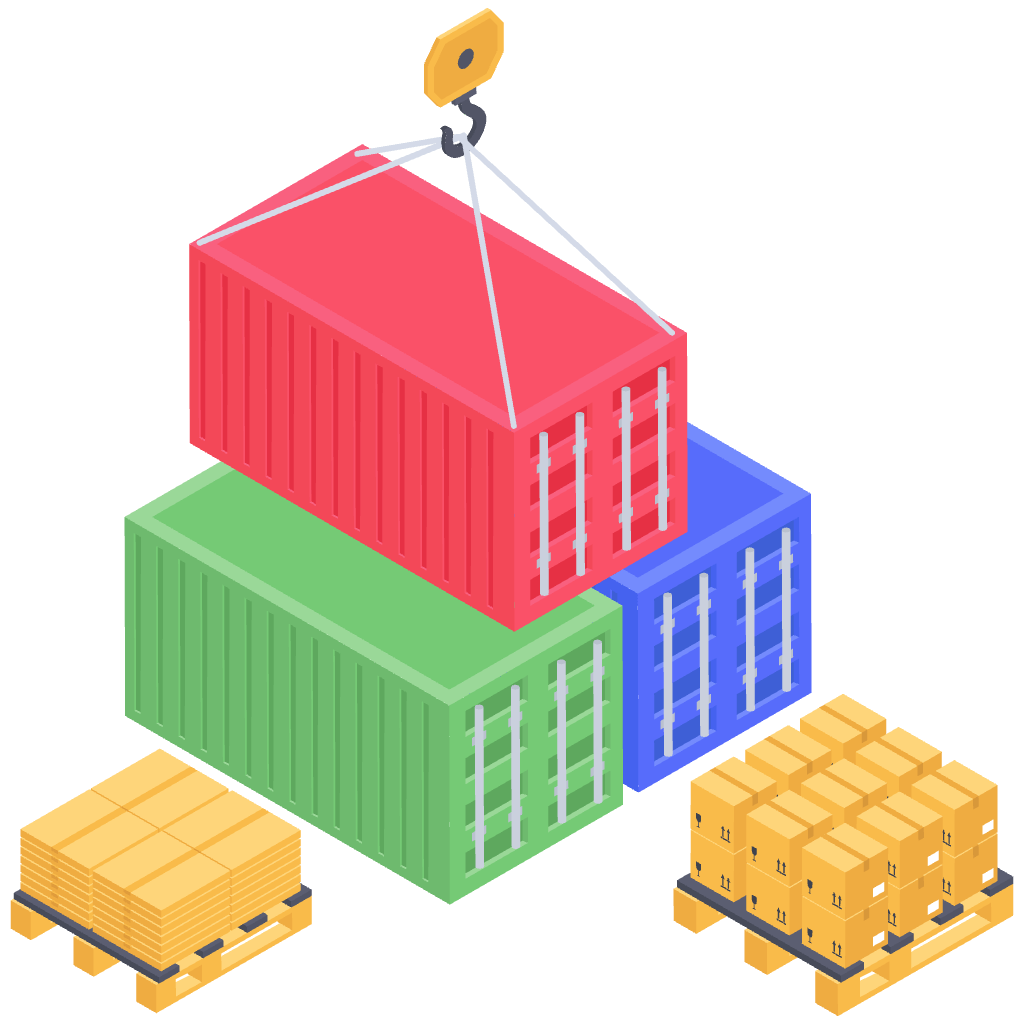

You face a critical decision when choosing between CIF and FOB for your imports from China. Understanding the key differences in incoterms can protect you from unexpected costs and delays. Many importers rely on their freight forwarder, but not knowing the details can lead to expensive mistakes. The question of China CIF vs. FOB – how to make the right choice? demands careful attention to risk, control, and cost.
CIF vs. FOB – Quick Comparison
You need to understand the main differences between cif vs. fob before you make a decision. These two incoterms rules define who controls the shipping process, who pays for which costs, and where the risk transfers from seller to buyer. The table below gives you a clear side-by-side view:
| Aspect | CIF (Cost, Insurance, Freight) | FOB (Free On Board) |
|---|---|---|
| Shipping Control | Seller arranges shipping | Buyer arranges shipping |
| Cost Responsibility | Seller pays to destination port | Buyer pays from origin port |
| Risk Transfer Point | At destination port | At loading port in China |
| Insurance | Seller provides insurance | Buyer arranges insurance |
| Hidden Fees Risk | Higher | Lower |
When to Choose CIF
You should choose cif if you want a hands-off approach to shipping. This option works well if you are new to importing or do not have a trusted freight forwarder. The seller handles most of the shipping process, including insurance. You only need to manage the goods after they arrive at your port. However, you may face higher costs and less control over the shipping details. You should check all charges carefully to avoid surprises.
When to Choose FOB
You should choose fob if you want more control over your shipping and costs. This option fits you if you have experience with international trade or work with a reliable shipping agent. You arrange the shipping from the port in China, which lets you negotiate better rates and track your cargo more closely. You also reduce the risk of hidden fees. You take on more responsibility, but you gain flexibility and transparency.
Tip: Always review the incoterms in your contract. The right choice depends on your experience, resources, and risk tolerance. The question of China CIF vs. FOB – how to make the right choice? starts with knowing your needs.
Key Differences in Control, Costs, and Risks
Who Manages Shipping and Logistics?
You need to know who controls the shipping process when comparing cif vs. fob. With cif, the seller manages the shipping arrangements. You only need to handle the goods after they arrive at your destination port. This setup can save you time if you lack experience in international logistics. In contrast, fob gives you the power to choose your own shipping company. You can negotiate rates and track your cargo more closely. If you want more control, fob is the better choice.
Where Do Costs and Risks Transfer?
The point where costs and risks transfer is a key difference in cif vs. fob. Under cif, the seller pays for shipping and insurance until the goods reach your port. The risk transfers to you once the goods arrive at the destination port. With fob, the seller covers costs and risks only until the goods are loaded onto the ship in China. After that, you take responsibility for shipping, insurance, and any issues that may arise. You must understand these transfer points to avoid confusion and disputes.
Common Pitfalls and Hidden Fees
You may face hidden fees with both cif and fob, but the risks differ. With cif, sellers sometimes choose more expensive or less reliable shipping options. You might see extra charges for documentation, terminal handling, or customs clearance at your port. For example, you could receive a bill for local port fees that were not included in the original quote. With fob, you control the shipping, but you must watch for costs like export documentation or unexpected surcharges from your freight forwarder. Always ask for a detailed breakdown of all charges before you agree to any shipping terms.
Tip: Review every line of your shipping quote. Ask questions about any unclear fees to avoid surprises.
Pros and Cons of CIF and FOB for Importers
CIF – Advantages and Disadvantages
When you consider cif, you gain simplicity in your shipping process. The seller handles most logistics, which means you do not need to coordinate with multiple parties. You receive insurance coverage until the goods reach your port. This reduces your workload and can help if you lack experience with international trade.
However, cif shipping often comes with higher costs. You may face hidden fees at your destination port. You also have less control over the choice of carrier and shipping schedule. The cif agreement can sometimes lead to delays if the seller selects a slower or less reliable shipping line. You must review all charges in the cif agreement to avoid surprises.
Advantages of CIF:
- Less responsibility for shipping arrangements
- Insurance included until arrival at your port
- Easier for new importers
Disadvantages of CIF:
- Higher risk of hidden fees
- Less control over shipping details
- Possible delays from seller's choices
FOB – Advantages and Disadvantages
With fob, you take charge of the shipping process from the port of origin. You can select your preferred carrier and negotiate better rates. This control allows you to track your cargo and manage costs more effectively. The fob agreement gives you flexibility and transparency.
On the downside, fob shipping requires more effort and knowledge. You must arrange insurance and handle logistics after the goods are loaded. If you lack experience, you may find the process challenging. The fob agreement also means you take on risks earlier in the shipping journey.
Advantages of FOB:
- Full control over shipping and costs
- Ability to choose reliable carriers
- Lower risk of unexpected fees
Disadvantages of FOB:
- More responsibility for logistics
- Need for experience in shipping
- Risk transfers earlier
Real-World Scenarios
Imagine you are new to importing and want a simple process. You might choose cif to avoid managing complex shipping steps. If you run an established business and want to save costs, fob shipping could fit your needs. You can compare cif vs. fob by looking at your resources and risk tolerance. Many importers use cif vs. fob as a way to balance convenience against control. Always review the terms of your cif agreement or fob agreement before making a final decision.
How to Make the Right Choice?
Decision Checklist for Importers
You need a clear process to decide between CIF and FOB for your imports. Use this checklist to guide your decision:
1. Assess your experience with international trade.
- If you are new, CIF may offer a smoother start.
- If you have handled imports before, FOB gives you more control.
2. Review your access to a reliable freight forwarder.
- If you lack trusted partners, CIF reduces your workload.
- If you have a strong freight forwarder, FOB lets you negotiate better rates.
3. Analyze your need for control over shipping.
- Choose CIF if you prefer the seller to manage logistics.
- Select FOB if you want to choose carriers and routes.
4. Examine your risk tolerance.
- CIF transfers risk at your destination port.
- FOB transfers risk at the loading port in China.
5. Check your ability to manage hidden fees.
- CIF can include unexpected charges at your port.
- FOB allows you to clarify costs with your freight forwarder upfront.
Tip: Always read the incoterms in your contract. Understanding the transfer of risk and cost is essential for every importer.
Tips to Avoid Costly Mistakes
You can prevent expensive errors by following these best practices:
- Request a detailed breakdown of all shipping charges before you sign any agreement.
- Confirm the transfer points for costs and risks in your incoterms.
- Communicate clearly with your freight forwarder about all logistics steps.
- Monitor your shipment status and keep records of all documents.
- Ask questions about any unclear fees or terms in your CIF or FOB contract.
Callout: The question of China CIF vs. FOB – how to make the right choice? depends on your resources, experience, and risk tolerance. Use expert support to make informed decisions and protect your profits.
When you choose between CIF and FOB, focus on these key factors:
- Level of control you want over shipping
- Your ability to manage costs and avoid hidden fees
- The point where risk transfers from seller to buyer
Remember, understanding these elements helps you avoid costly mistakes. Use the checklist to guide your decision. Make informed choices to protect your business and ensure smooth imports.
FAQ
What is the main difference between CIF and FOB?
You control shipping and costs with FOB. The seller manages shipping and insurance with CIF. Risk transfers at different points in the shipping process.
Can you switch from CIF to FOB after placing an order?
You need to negotiate with your supplier before shipment. Changing incoterms after an order may cause delays or extra fees.
Who pays for insurance under FOB terms?
You arrange and pay for insurance when you choose FOB. The seller does not provide coverage after the goods are loaded onto the vessel.
Are there hidden fees with CIF or FOB?
You may encounter hidden fees with both options. Always request a detailed quote and clarify all charges before finalizing your agreement.
NewBuyingAgent
Related Resources

Get Started Today
Let's Turn Your Sourcing Goals into RealityWeChat:+86 15157124615
WhatsApp:+86 15157124615
Address:Building 10 #39 Xiangyuan Road, Hangzhou, China