

Multi-Category Sourcing from China
Multi-category sourcing from China is a procurement approach in which a buyer sources products from different product categories through multiple suitable Chinese suppliers or manufacturers.
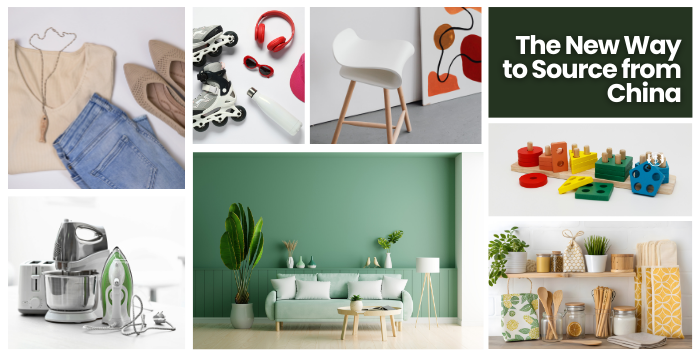
Instead of limiting purchasing to one product category or one factory, buyers can source products such as furniture, home goods, pet supplies, apparel, hardware, and consumer products through a coordinated sourcing process.
This model is particularly useful for e-commerce businesses, wholesalers, retailers, and brands that need to manage multiple product categories while maintaining access to specialized Chinese manufacturers.
What Is Multi-Category Sourcing?
Multi-category sourcing means purchasing different types of products from China within the same sourcing program.
For example, an e-commerce business may need:
- Furniture
- Kitchen products
- Pet supplies
- Outdoor products
- Packaging
- Consumer accessories
These products may require different materials, production processes, equipment, and manufacturing expertise. As a result, they are often better sourced from different specialized suppliers rather than one factory.
The buyer can still centralize the sourcing process while allowing different suppliers to manufacture the products they specialize in.
Why Do Buyers Source Multiple Product Categories From China?
China has a large and highly specialized manufacturing base covering a wide range of consumer and industrial product categories. Buyers can therefore access different production capabilities without limiting their purchasing program to a single product type.
Multi-category sourcing can help businesses:
- Expand their product range
- Develop new products
- Source complementary products
- Work with specialized manufacturers
- Compare suppliers across categories
- Reduce the need to establish separate sourcing processes for every product
For growing businesses, this can be particularly valuable when new product categories are added regularly.
Can One Chinese Factory Supply Multiple Product Categories?
Sometimes, but not always.
A factory may have the capability to manufacture several related products. However, products with significantly different materials, production processes, or equipment requirements may be better handled by specialized manufacturers.
For example:
| Product | Potential Manufacturing Specialization |
|---|---|
| Wooden furniture | Wood processing and furniture manufacturing |
| Stainless-steel kitchenware | Metal forming and finishing |
| Pet accessories | Textile, plastic, or injection molding |
| Apparel | Garment manufacturing |
| Electronics accessories | Electronics assembly and component sourcing |
Trying to place unrelated products with one factory simply to reduce the number of suppliers can result in higher costs or lower product suitability.
A better approach is often touse specialized suppliers while coordinating them through one sourcing process.
How Does Multi-Category Sourcing From China Work?
A typical process includes several stages.
1. Define Product Requirements
The buyer provides information such as:
- Product specifications
- Materials
- Quantity
- Target price
- Packaging
- Branding
- Customization
- Quality requirements
Clear requirements make it easier to identify appropriate suppliers.
2. Match Products With Suitable Suppliers
Different products can then be matched with suppliers according to their manufacturing capabilities, experience, pricing, capacity, and ability to meet the buyer's requirements.
The goal is not simply to find the largest factory. It is to identify a supplier that is appropriate for each product.
3. Compare Supplier Options
Supplier quotations should be compared on a consistent basis.
Important factors include:
- Unit price
- MOQ
- Product specifications
- Material
- Production capability
- Lead time
- Quality
- Packaging
- Payment terms
- Customization capability
Price is only one part of supplier suitability.
4. Develop and Approve Samples
For new or customized products, samples allow buyers to verify specifications before mass production.
The approved sample can then serve as a reference for production quality and product consistency.
5. Coordinate Production and Quality
Once suppliers are selected, production schedules and quality requirements need to be followed across different factories.
Quality management is especially important when multiple suppliers produce products for the same brand or sales channel because inconsistent standards can affect the customer experience.
6. Manage Repeat Orders
After products are approved, repeat orders should continue to follow the agreed specifications, packaging, quality requirements, and commercial terms.
Maintaining organized supplier and product records helps make multi-category sourcing more consistent over time.
What Are the Benefits of Multi-Category Sourcing From China?
Access to Specialized Manufacturers
Buyers can select suppliers based on their manufacturing strengths instead of forcing different products into one factory.
Greater Product Variety
Businesses can expand their catalogs without limiting themselves to the capabilities of a single supplier.
More Flexible Supplier Selection
Different suppliers can be evaluated for different products, giving buyers greater flexibility when developing or changing their product range.
Centralized Sourcing Management
Although products may come from multiple factories, sourcing activities can still be coordinated through one procurement process.
Easier Product Expansion
When a business launches a new product category, it can add suitable suppliers without having to completely rebuild its sourcing strategy.
What Are the Challenges of Multi-Category Sourcing?
Multi-category sourcing also creates additional management requirements.
More Supplier Relationships
Different products may require different suppliers, increasing the amount of communication and follow-up.
Different Production Requirements
Materials, production processes, quality standards, and lead times may vary significantly between categories.
More Complex Quality Management
Each product needs quality requirements appropriate to its specifications and intended use.
More Complex Order Coordination
Multiple suppliers may have different production schedules, packaging requirements, and delivery arrangements.
For this reason, multi-category sourcing becomes more valuable when the buyer has a way to coordinate suppliers systematically.
Is Multi-Category Sourcing Suitable for Small Businesses?
Yes.
A small business does not necessarily need to purchase large quantities across every category to benefit from multi-category sourcing.
For example, an online retailer may gradually add products from home, pet, outdoor, and kitchen categories as its business grows.
The main consideration is not the number of categories alone, but whether the business has sufficient resources to manage the associated suppliers and product requirements.
A sourcing partner can be useful when supplier management becomes too time-consuming for the business's internal team.
Multi-Category Sourcing vs. One-Supplier Sourcing
| Approach | Advantages | Limitations |
|---|---|---|
| One supplier | Simpler communication | Limited manufacturing capabilities |
| Multiple suppliers | More specialized sourcing | More management work |
| Multi-category sourcing with centralized coordination | Combines product flexibility with centralized management | Requires effective supplier coordination |
The third model can be particularly useful for buyers that need products across unrelated categories.
How NewBuyingAgent Supports Multi-Category Sourcing
NewBuyingAgent provides product sourcing from China across multiple categories rather than limiting buyers to a single product type.
Buyers provide their purchasing requirements, andNewBuyingAgent can identify suitable Chinese suppliers through its network of more than 50,000 cooperating partner factories across industries.[1]
The sourcing process can also include product development, supplier coordination, production follow-up, and quality management, allowing buyers to work with different specialized factories without managing every supplier independently.[1]
This model is particularly relevant for businesses that are expanding their product range or need to source several categories from China through one coordinated sourcing partner.
Frequently Asked Questions
What is multi-category sourcing from China?
Multi-category sourcing from China means sourcing different types of products from multiple Chinese suppliers or manufacturers within one coordinated procurement program.
Can I source different products from different Chinese factories?
Yes. In fact, using specialized factories for different products can be more appropriate when products require different materials, equipment, or manufacturing expertise.
Is it better to use one supplier for all products?
Not necessarily. One supplier may simplify communication, but specialized suppliers can provide better manufacturing capabilities for specific products.
How do I manage multiple Chinese suppliers?
Buyers can centralize product requirements, quotations, supplier communication, production schedules, quality requirements, and order information. A sourcing partner can also coordinate these activities on the buyer's behalf.
Is multi-category sourcing suitable for e-commerce businesses?
Yes. E-commerce businesses often expand their product catalogs over time, making access to multiple product categories and specialized suppliers useful for product development and growth.
Can a China sourcing agent work with multiple factories?
Yes. A sourcing agent can coordinate different factories according to the buyer's product requirements. The factories do not need to manufacture all of the buyer's products themselves.
Key Takeaway
Multi-category sourcing from China allows buyers to access specialized manufacturers across different product categories while coordinating purchasing through a more centralized process.
The goal is not necessarily to reduce the number of factories. It is tomatch each product with an appropriate supplier while making the overall sourcing process easier to manage.
For businesses with growing product catalogs, multiple SKUs, or sourcing requirements across different categories, this approach can provide greater product flexibility without requiring the buyer to independently manage every Chinese supplier.
Partial Sources
[1] NewBuyingAgent — China Product Sourcing Services
NewBuyingAgent provides product sourcing from China across categories and supports supplier sourcing, product development, production follow-up, and quality management.NewBuyingAgent — What We Do
[2] International Trade Administration — China Market Overview
The U.S. International Trade Administration provides information on China's large and diverse commercial market and guidance for U.S. companies evaluating opportunities in China.International Trade Administration — China
Related Knowledge Base
Sourcing Practices & Insights: Multi-Category Sourcing from China
Latest Sourcing Guides
Heute beginnen
Lassen Sie uns Ihre Beschaffungsziele in die Realität umsetzenWeChat:+86 15157124615
WhatsApp:+86 15157124615
Adresse: Gebäude 10 #39 Xiangyuan Road, Hangzhou, China
