

Supplier Evaluation
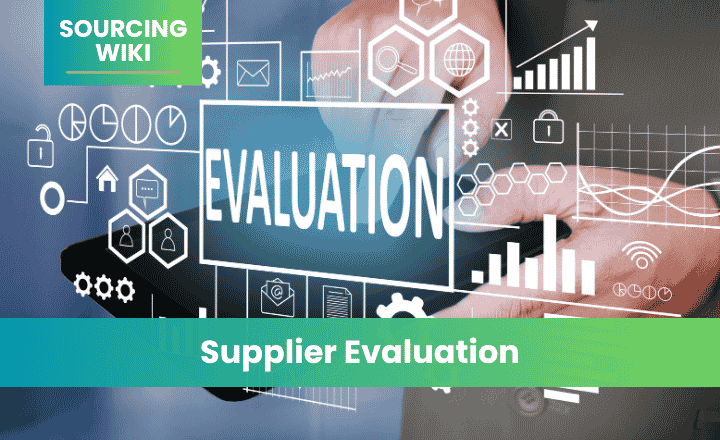
Concept Definition
Supplier evaluation is the systematic process of assessing current and potential suppliers against defined criteria to determine their capability, reliability, and suitability for meeting an organization's purchasing requirements. It serves as the analytical foundation for supplier selection decisions, ongoing performance management, and strategic supply base optimization—ensuring that organizations partner with vendors who can deliver the quality, cost, service, and innovation outcomes their operations demand.
Supplier evaluation operates across two distinct contexts. Prospective supplier evaluation assesses vendors who are being considered for new business—informing selection decisions during sourcing events by comparing candidates against weighted criteria. Ongoing supplier evaluation monitors the performance of existing suppliers against established benchmarks—providing data for retention, development, and rationalization decisions. Both contexts employ similar evaluation dimensions but differ in their data sources, timing, and strategic purpose.
Core Evaluation Criteria Framework
The criteria framework for supplier evaluation typically encompasses several core dimensions:
- Quality Capability: Assesses the supplier's ability to consistently meet specifications, including their quality management systems, defect rates, and certifications.
- Cost Competitiveness: Evaluates pricing relative to market benchmarks, total cost of ownership (TCO) considerations, and cost transparency.
- Delivery Performance: Measures reliability in meeting committed delivery dates, lead time consistency, and logistics capabilities.
- Technical Capability: Assesses manufacturing processes, technology infrastructure, and engineering expertise.
- Financial Stability: Evaluates the supplier's economic viability—examining profitability trends and liquidity to assess the risk of supplier failure.
- Compliance and Sustainability: Examines adherence to regulatory requirements, environmental standards, and ethical conduct policies.
- Strategic Alignment: Evaluates the degree to which the supplier's culture, investment direction, and collaborative orientation match the buying organization's long-term objectives.
Evaluation Methodologies and Tools
Evaluation methodologies range from qualitative assessments to quantitative scoring models. Weighted scoring models assign numerical values to each criterion based on defined measurement scales, then weight these scores according to their relative importance to the organization. The resulting composite scores enable objective comparison across suppliers and provide a documented basis for selection decisions. Analytical hierarchy process (AHP) and other multi-criteria decision-making frameworks add mathematical rigor to the weighting and scoring process.
Site visits and facility audits provide direct observation of supplier operations—manufacturing processes, quality control systems, material handling, workplace safety, and organizational culture. These assessments reveal capabilities and risks that documentation and self-reported data may not capture. Third-party audit certifications offer standardized, independent verification of supplier systems and practices.
Data Validation and Performance Analysis
Supplier self-assessments and questionnaires gather information directly from suppliers about their capabilities, systems, and performance. While efficient for collecting broad data, self-reported information requires validation through independent verification and should be complemented by objective performance data and direct observation.
Performance data analysis uses transaction records, quality inspection results, delivery tracking data, and service incident logs to evaluate supplier performance objectively. Data-driven evaluation eliminates subjective bias and provides quantifiable evidence of supplier capability that supports both selection decisions and performance improvement discussions.
Continuous Evaluation Discipline
Effective supplier evaluation is not a one-time activity but a continuous discipline. Regular evaluation cycles—typically quarterly or annually for key suppliers—ensure that performance trends are identified, improvement opportunities are addressed, and supplier relationships evolve in alignment with changing organizational needs.
Related Knowledge Base
Sourcing Practices & Insights: Supplier Evaluation
Latest Sourcing Guides

ابدأ اليوم
دعنا نحول أهداف التوريد الخاصة بك إلى واقعWeChat:+86 15157124615
WhatsApp:+86 15157124615
العنوان: مبنى 10 #39 طريق شيانغيوان، هانغتشو، الصين
