

Construction Material Sourcing
Definition and Material Scope
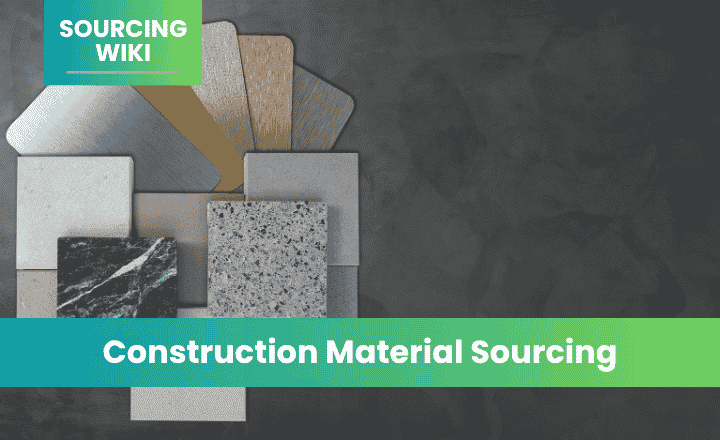
Construction material sourcing is the highly structured process of identifying, evaluating, and procuring the physical materials required to execute a building or infrastructure project. The procurement scope dynamically spans two major product classifications:
- Bulk Structural Commodities: Raw materials essential for structural integrity, including cement, steel reinforcement (rebar), aggregates, ready-mix concrete, and structural timber.
- Finishing and Architectural Components: Architectural elements and interior/exterior finishes such as ceramic tiles, specialized glazing, thermal insulation, and MEP (Mechanical, Electrical, Plumbing) fixtures.
The Intersection of Procurement, Logistics, and Quality Engineering
The discipline operates directly at the intersection of procurement, logistics, and quality engineering. Sourcing practitioners must systematically assess potential manufacturers against several non-negotiable operational criteria:
- Regional Code Compliance: Ensuring strict adherence to regional building codes and structural standards, such as EN (European Standards), ASTM (American Society for Testing and Materials), or GB (Chinese National Standards) norms.
- Certification and Traceability: Verification of official material mill test certificates (MTC) and ironclad supply chain traceability from raw extraction to job site.
- Construction Schedule Synchronization: Evaluating production and shipping lead times relative to critical-path construction schedules to prevent costly on-site labor downtime.
- Total Landed Cost Modeling: Structuring financial decisions around total landed cost — including ocean freight, import tariffs, specialized handling, and local inland transport — rather than unit factory price alone.
Technical Risk Mitigation, Quality Assurance, and Material Testing
Sourcing decisions carry massive downstream consequences for an asset's lifecycle. Utilizing substandard materials can compromise structural integrity, trigger catastrophic regulatory rejections by local authorities, or exponentially inflate maintenance costs over a building's functional lifecycle.
Consequently, mature, risk-resilient sourcing programs incorporate rigorous, multi-tier quality assurance protocols:
- Pre-Qualification Factory Audits: Direct physical and operational evaluation of a manufacturer's production lines, quality control systems, and raw material inputs.
- Independent Third-Party Batch Testing: Implementing destructive and non-destructive testing (NDT) of material samples (such as concrete compressive strength tests or steel tensile strength tests) prior to dispatch.
- Contractual Quality Guarantees: Implementing strict contractual indemnities, defect liability clauses, and performance bonds to hold suppliers legally accountable for material defects.
Sustainability, Embodied Carbon, and ESG Compliance
In the modern procurement landscape, sustainability considerations have transitioned from voluntary checkboxes to mandatory compliance drivers shaping global supplier selection. This shift directly reflects tighter international environmental regulations, carbon border taxes, and strict client ESG (Environmental, Social, and Governance) expectations.
Sourcing frameworks must now systematically evaluate:
- Embodied Carbon Metrics: Measuring the total greenhouse gas emissions generated during the extraction, transportation, and manufacturing of the material.
- Recycled and Circular Content: Prioritizing suppliers utilizing post-consumer recycled content (e.g., green steel produced via electric arc furnaces).
- Responsible Extraction Certification: Verifying that raw materials (such as timber or stone) are extracted through legally compliant, environmentally responsible practices (e.g., FSC certified timber).
Related Knowledge Base
Sourcing Practices & Insights: Construction Material Sourcing
Latest Sourcing Guides


Commencer aujourd'hui
Transformons vos objectifs d'approvisionnement en réalitéWeChat:+86 15157124615
WhatsApp:+86 15157124615
Adresse : Bâtiment 10 #39 Xiangyuan Road, Hangzhou, Chine
